Last updated on June 12th, 2026
I spent almost a month in Andalucía in March and April 2022. And my Andalucía itinerary offers a good taste of what what makes southern Spain so special – and why you should put this region at the top of your travel list!
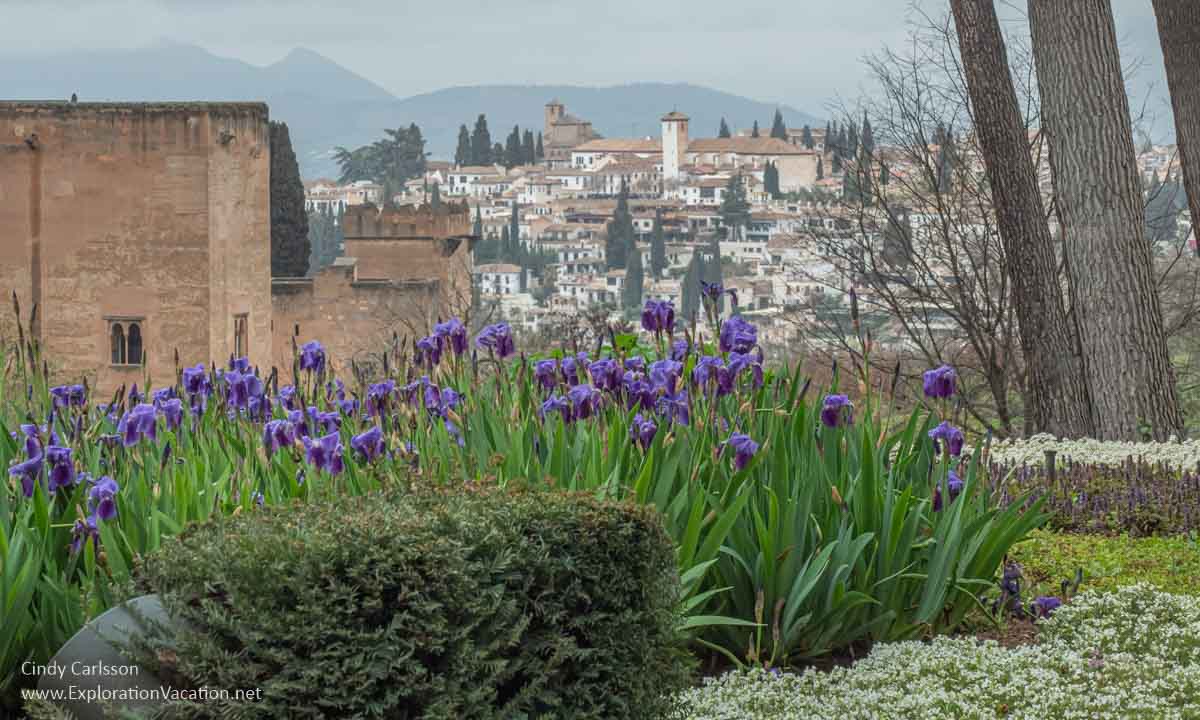
Andalucía doesn’t get a lot of tourists quite this early in spring. And the weather can be a little unpredictable. Unexpectedly wet and cold weather altered our sightseeing options a bit, but we still did almost everything on our original itinerary. We visited many, many wonderful places and seldom had to deal with crowds. For visitors primarily interested in cultural and historic activities and sites, early spring is a particularly good time to travel in southern Spain, with cool weather and fewer tourists. If you’re looking for outdoor adventure, wait another month and visit later in the spring or in the fall.
Here’s what we did, with tips to help you plan your own amazing Andalucía itinerary.
This article has affiliate links. I use links to provide additional information, but a few also pay me a small amount if you use them to make a reservation or purchase. You don’t pay extra, but it helps keep this website running without intrusive ads. To learn more, see my policies and disclosures.
Where we went in Andalucía and what we did
We planned our Andalucía itinerary more-or-less as a loop through the region, flying into and out of Seville.
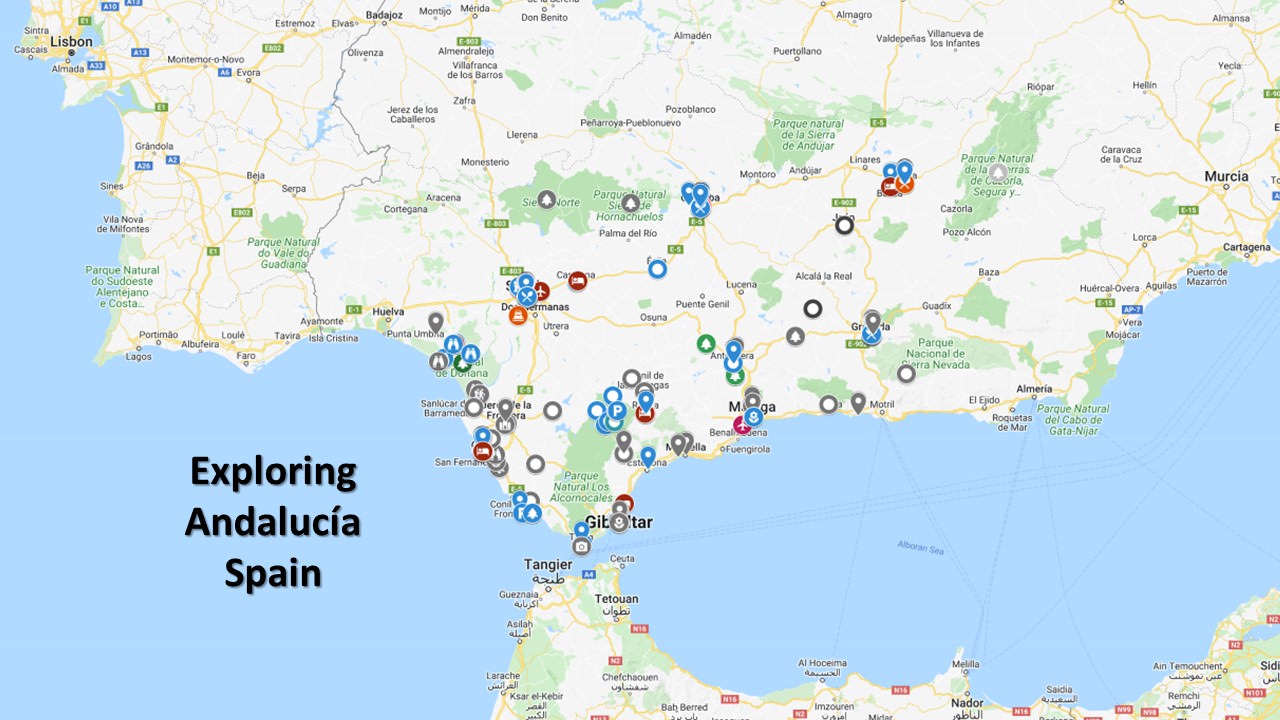
Click here or on the map itself to see the full Google map. (Grey icons indicate places we didn’t get to.)
To pack as much as possible into our time and make it easy to reach out-of-the-way places (and stop along the way), we rented a car when we left Seville. A rental car makes it easy to visit places that don’t get as many tourists, but you can also get around by train and bus. Just allow more travel time if you are using transit.
Seville (4 nights)
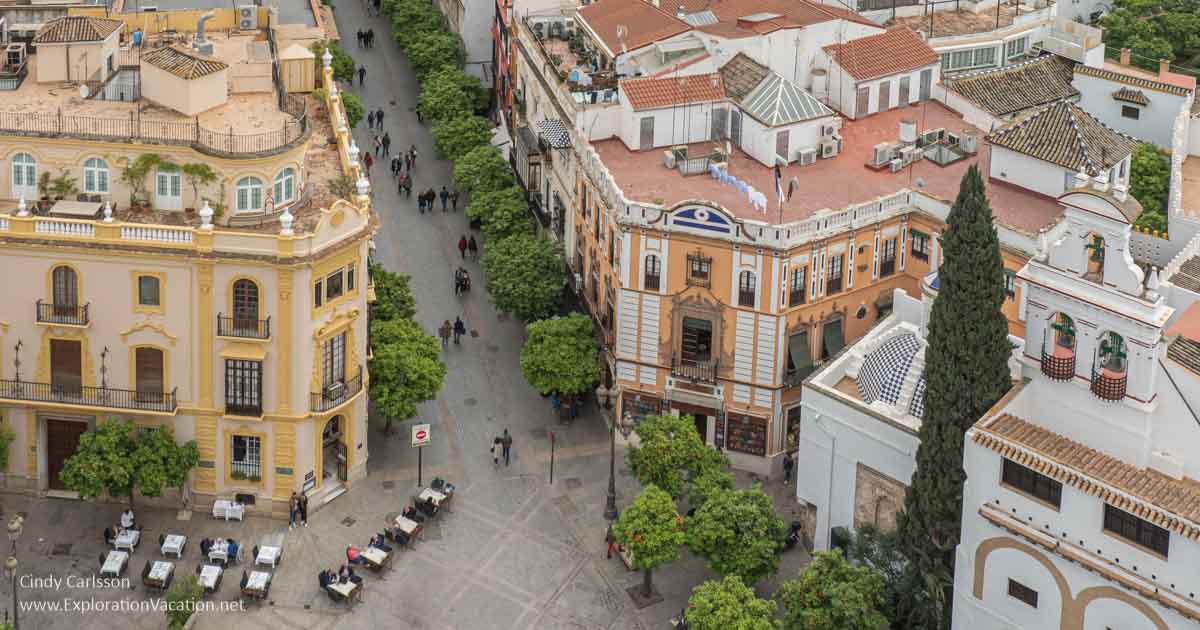
We love Seville. It’s a beautiful, walkable city and we spend a lot of time just wandering and admiring the mix of often elaborate architecture. (And some great window displays.)
Seville features a three-part UNESCO World Heritage site made up of the Cathedral, Alcázar, and the General Archive of the Indies. All three components are located near each other and, together, provide insight into Andalucía under Islamic and Christian rulers between the 13th and 16th centuries.
👉 Read more about visiting Seville
What did we do in Seville?
Seville is a great city for just wandering, and we did a lot of that. But there are some don’t-miss highlights too. Here are the ones we got to.
Royal Alcázar palace
I love Moorish architecture, so Seville’s Royal Alcazar was on my must-see list.
Although its history dates back to Roman times, the Royal Alcázar as we know it today reflects Spain’s Islamic period, but with modifications by the Castilian rulers who used it as their own royal residence.
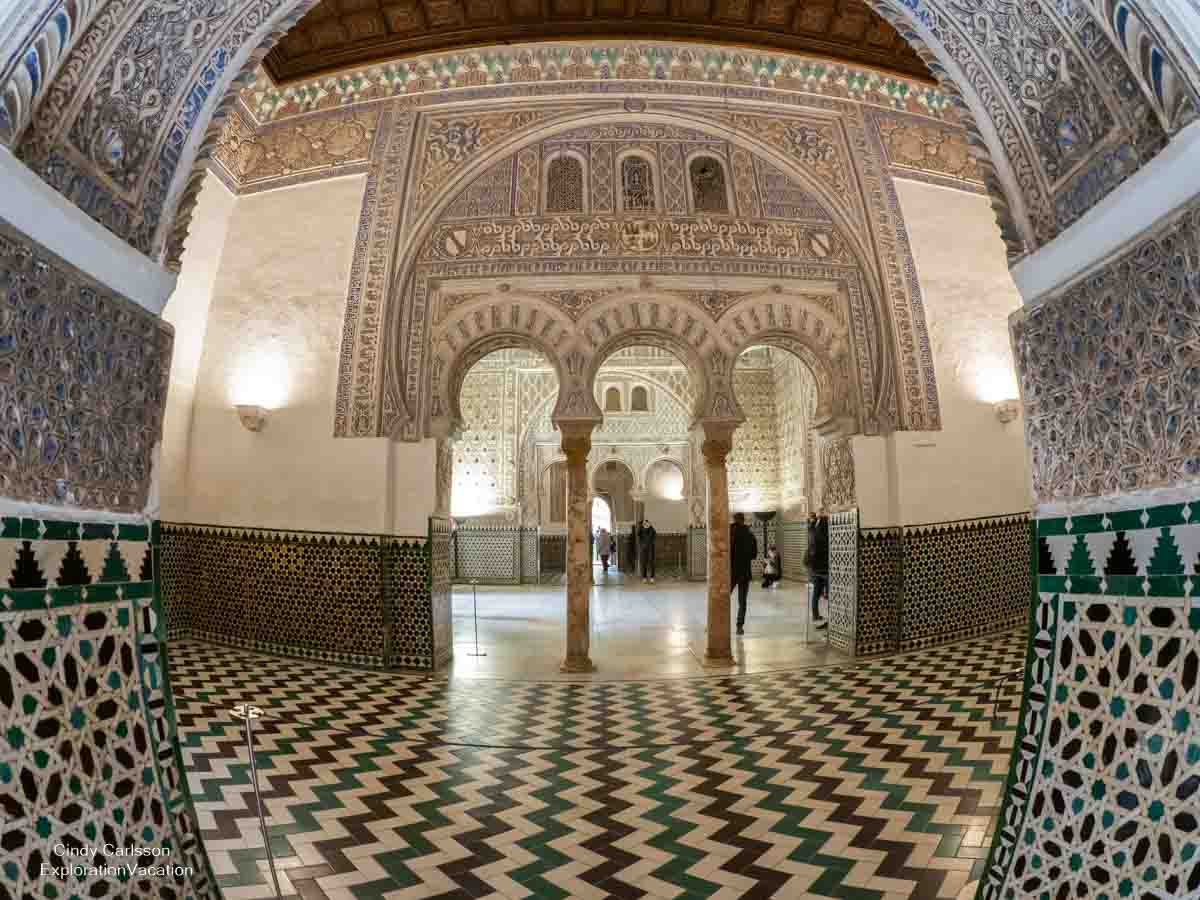
Our original tickets included the royal apartments (the royal family still uses the palace as a residence), but they were cancelled at the last moment. (Presumably the royal family decided to visit about the same time we were visiting.) But the rest of the palace and gardens in this UNESCO World Heritage site are so expansive and beautiful (even in the rain) that we still spent most of the day exploring this site.
Archives of the Indies
The General Archives of the Indies (Archivo General de Indias) is exactly what it sounds like: The place where documents related to Spain’s activities in the Americas are stored. As you walk through the building, you see shelves that contain those documents out of reach all around you. But some of that material is also on display in the form of well-designed exhibits on of different aspects of Spain’s activities at home, in the Indies, and beyond.
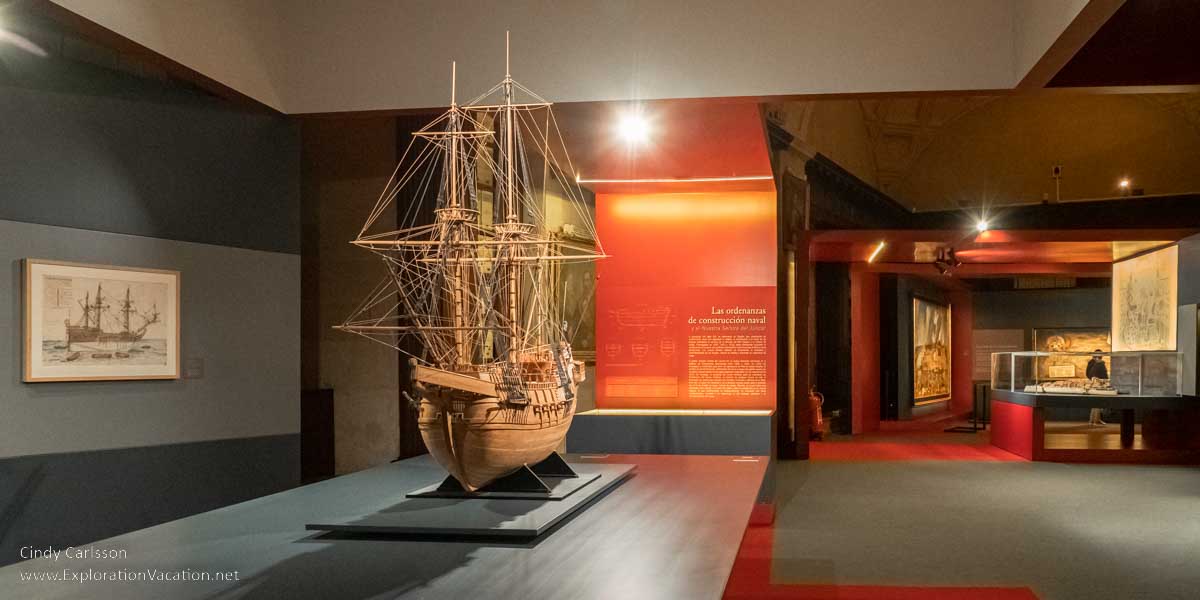
That includes exhibits on Columbus seeking funding for his adventures, ship building, the life of a sailor, port construction, and more. All are presented in ways that are interesting and engaging – although they’d be even more engaging if they were also in English!
Churches
Seville, like every city in Andalucía, has lots of churches and chapels. I spent a few hours in two of the more notable ones and peeked inside a couple of others.
Seville Cathedral
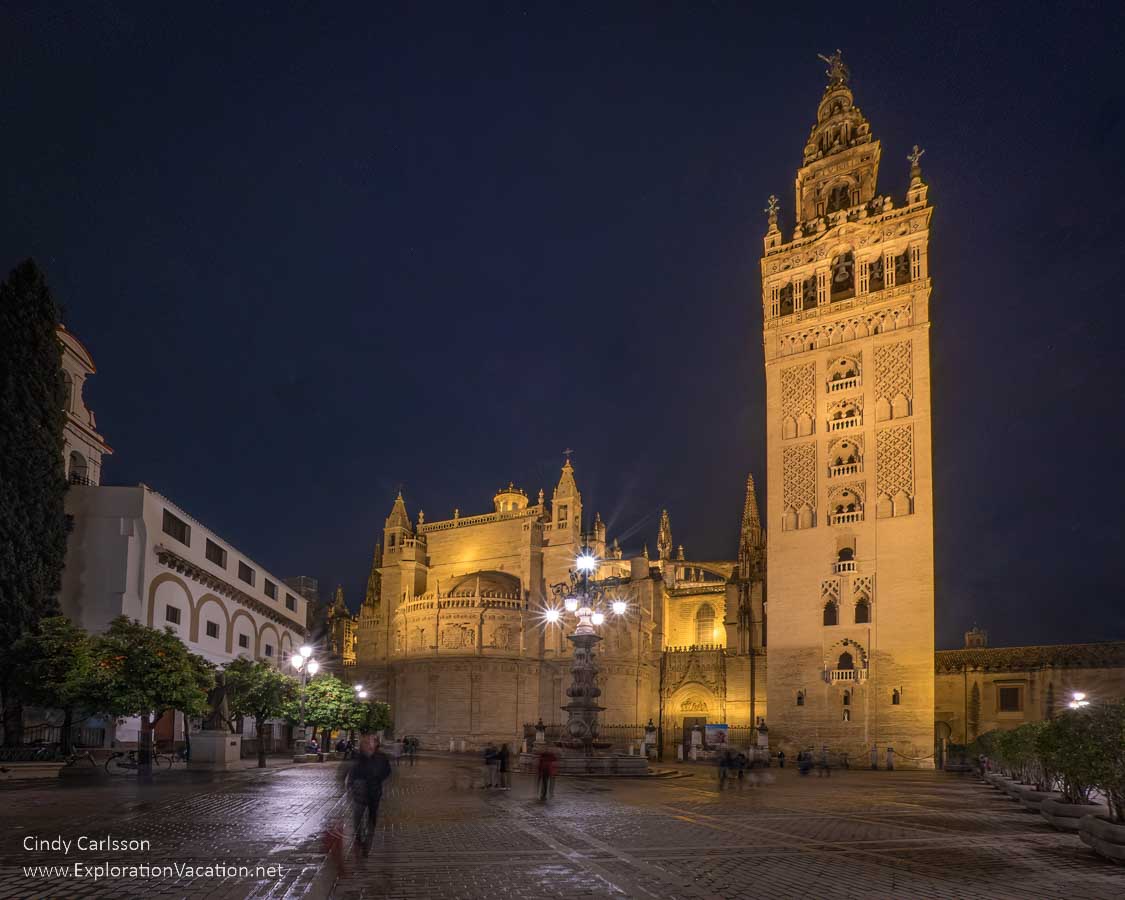
Seville’s Cathedral of Santa Maria de la Sede (Saint Mary of the See) is an enormous church and the largest Gothic cathedral in the world.
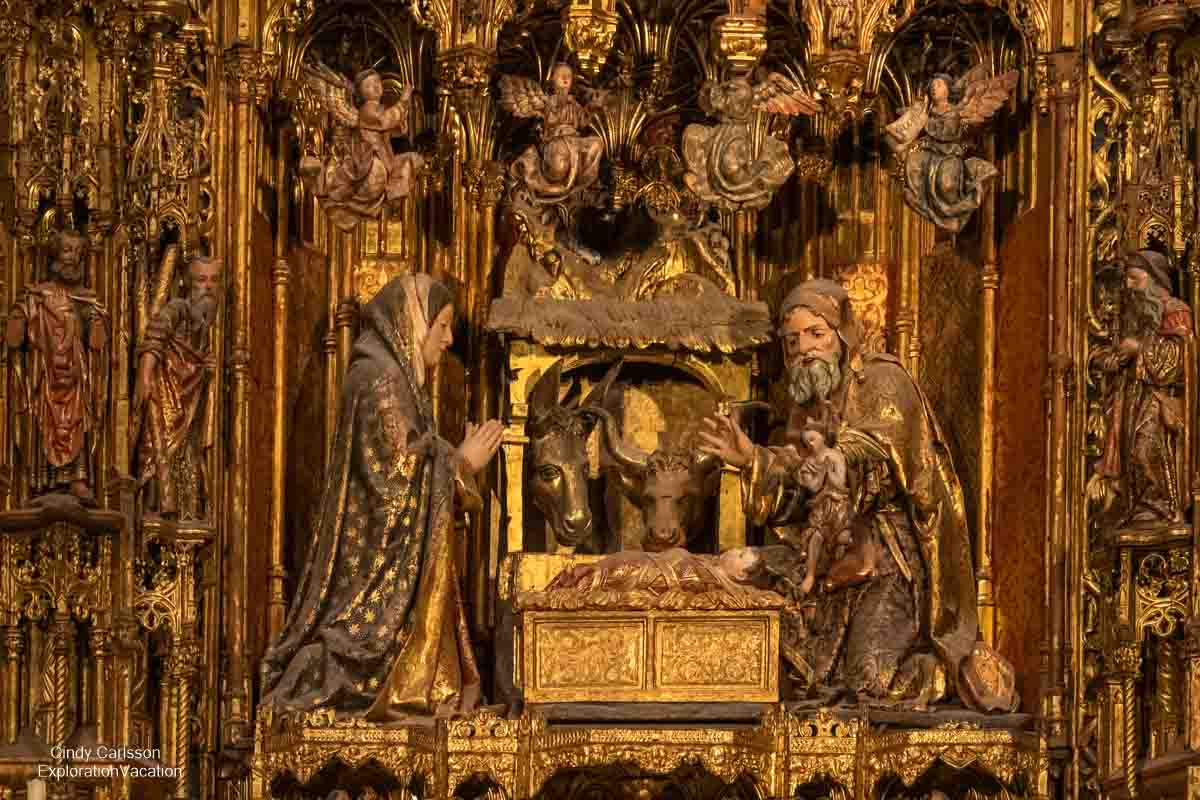
Like other churches and cathedrals in Andalucía, it replaced an earlier mosque. In this case, the 12th century great Aljama mosque. Today the only bits of the mosque that still remain are the Patio de Naranjas (Patio of the Oranges), the Puerta del Perdon (Gate of Forgiveness), and the minaret that became the Giralda Belltower.
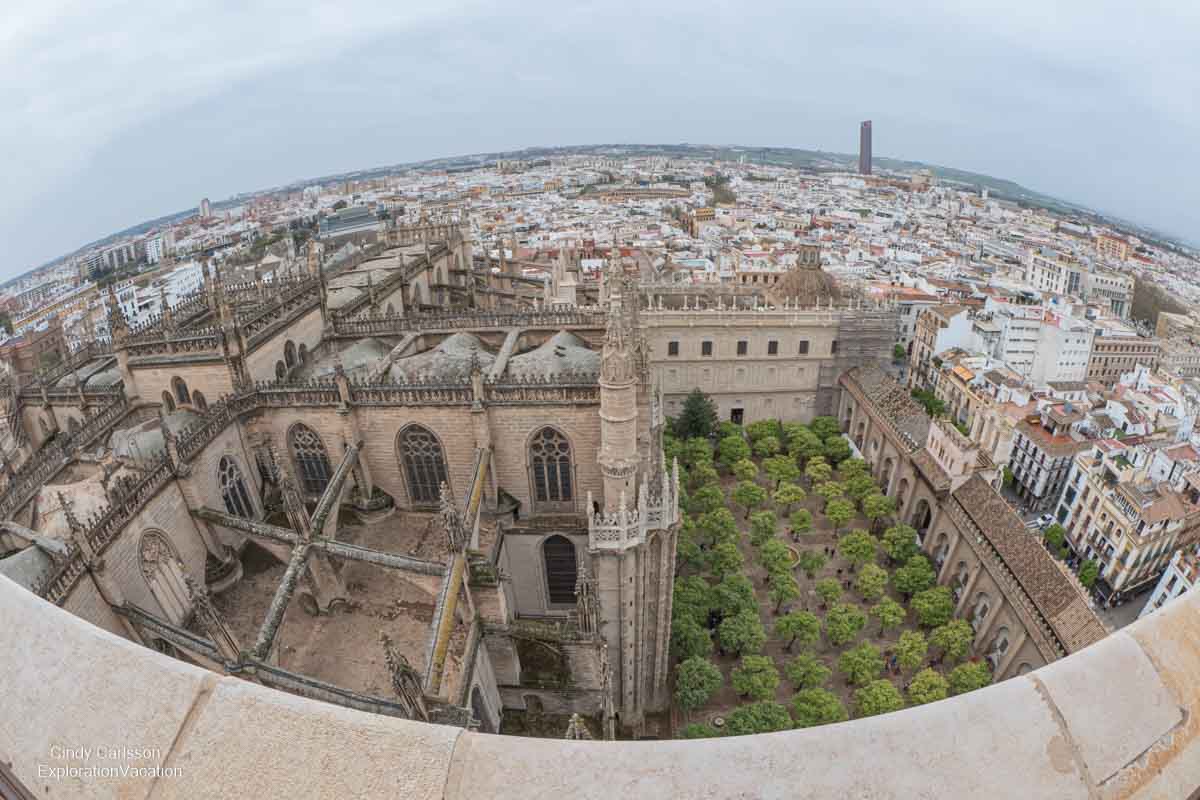
It is larger than the Hagia Sophia, which until that time had been the largest church in the world for 1000 years.
The builders of the church are said to have wanted to “build a church so beautiful and so magnificent that those who see it finished will take us for mad.” They seem to have succeeded.
The Church of the Divine Salvador
We also visited the 17th century Baroque Church of the Divine Salvador (Divine Savior). It too replaced an Islamic mosque (which had itself replaced a Roman basilica). While the main reason for stopping here was to pick up tickets for the cathedral without waiting in a long line, this was a lovely and interesting church to visit.
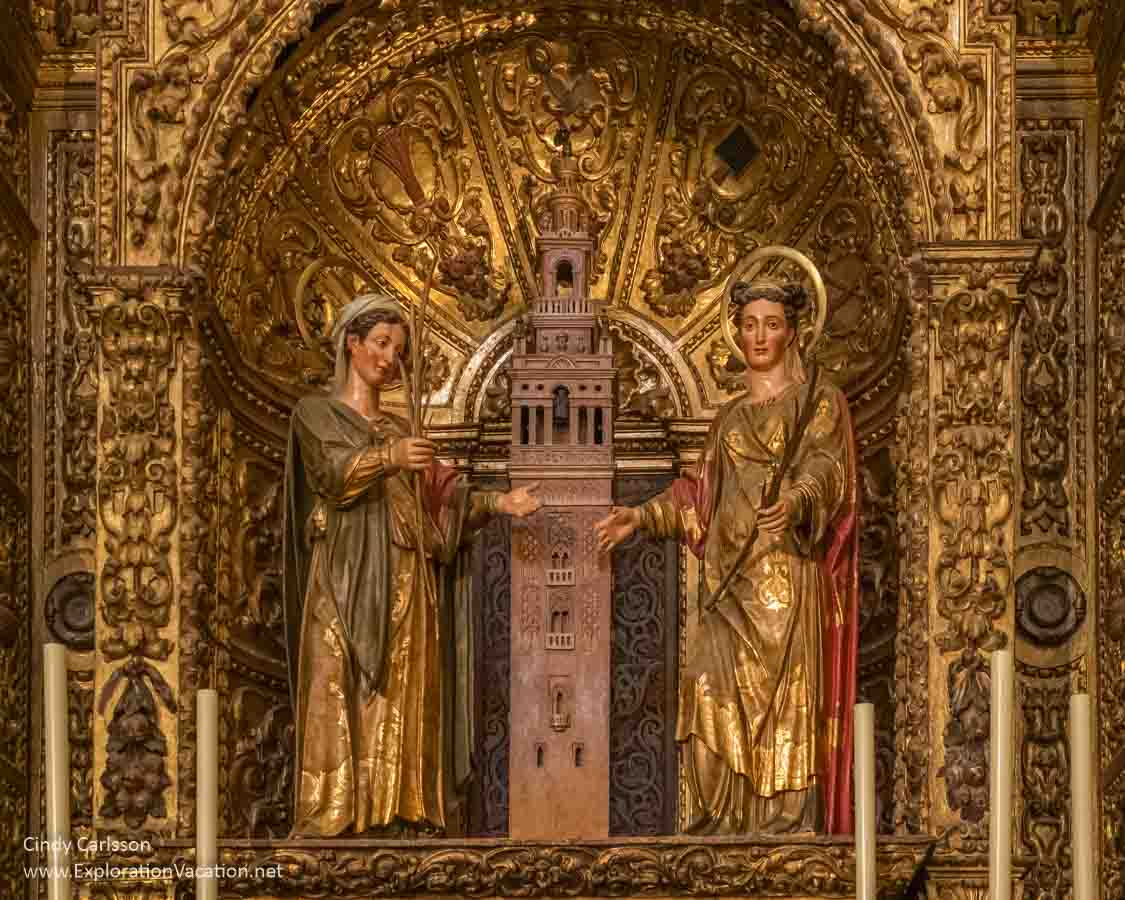
It’s very much worth the short walk to get your Cathedral tickets here and visit this church too.
The Metropol Parasol
The Metropol Parasol (usually called Las Setas – the Mushrooms) is an enormous lighted sculpture thing. I was super excited to see it because I thought it would be cool to photograph at night.
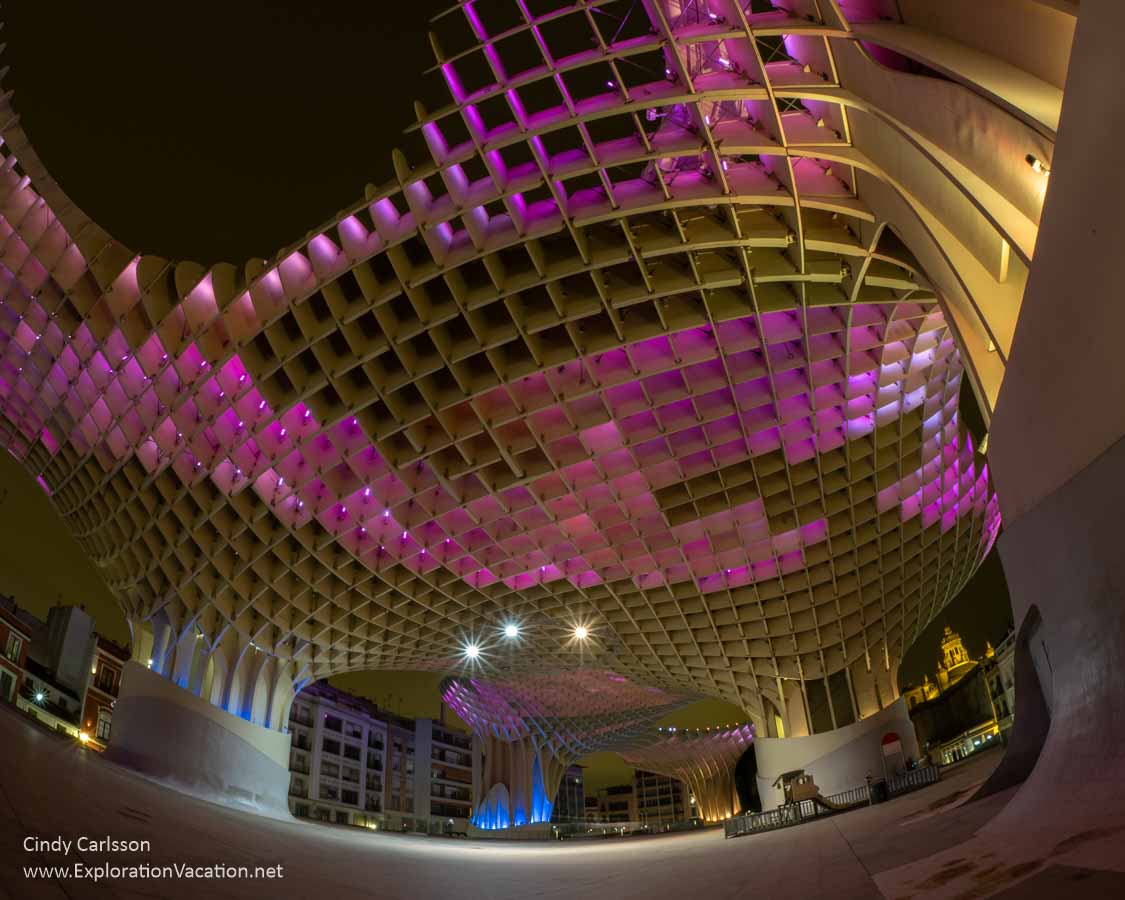
It sort of towers over everything and wasn’t nearly as interesting to photograph as I had hoped. However, it was a pleasant spot to hang out and wait for the lights to change on one of our rare warmish evenings.
Flamenco
Pretty much every city in Andalucía offers flamenco shows. The Museo del Baile Flamenco in Seville (Flamenco Dance Museum ) has both an impressive collection of videos, art, and artifacts related to flamenco and sponsors an evening show that demonstrates a number of different flamenco dances. A casual visitor can walk through the museum in a half-hour, but it would be easy to spend at least a few hours watching videos.
The flamenco performance featured several styles of dance and was quite impressive. (Photos were prohibited, but we had front row seats.)
Italica archeologic site
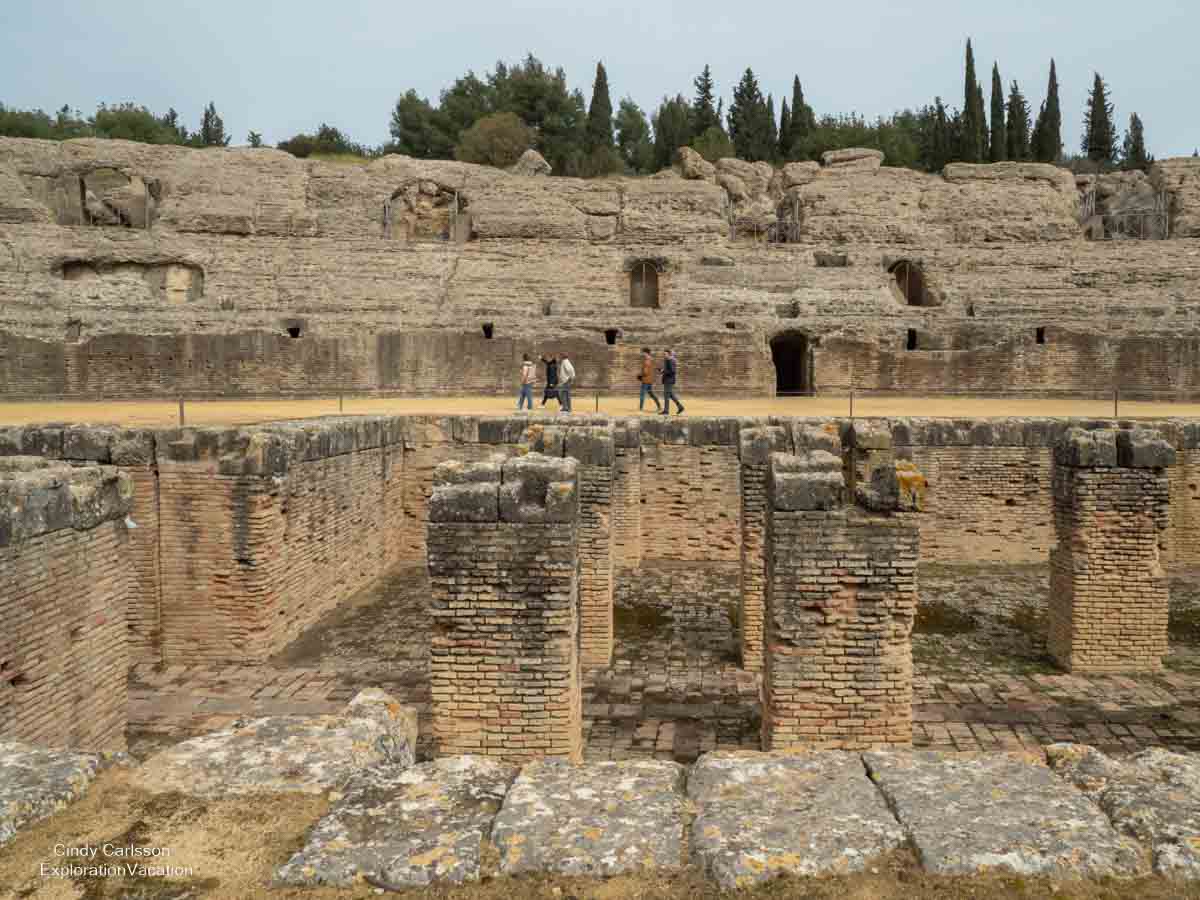
Located just outside Seville, the Italica archaeological site in Santiponce claims to be the first Roman city in Spain and the birthplace of Trajan and family home of Hadrian. However, it flourished for only a brief period before being abandoned. Today much of the early Roman city lies beneath the city of Santiponce, but extensive ruins remain, including the remains of a very large amphitheater and villas with beautiful mosaic floors.
What did we miss in Seville?
We really weren’t sure what to expect in Seville. Most tours give it a day, with a visit to the Alcázar and cathedral and not much more. At the same time, European travel guru Rick Steves (and others) rave about Seville and claim it is among their favorites in Spain because it’s so pleasant and livable.
Figuring we’d be a little jet-lagged anyway, we allotted far more time here than we thought we would need. But, even with perfect weather, we easily could have spent even more time exploring here. Rick Steves is right about Seville – it’s a good place to linger. And there’s a lot worth seeing. Which means there is a long list of things that, at least in hindsight, I wish I would have gotten to.
The royal apartments at the Alcázar
As I noted above, I did purchase tickets that included the royal apartments. However, they were cancelled shortly before my visit and closed while we were in Seville. There’s nothing we could do to change that, but I still wish I had been able to get in.
Triana Market and neighborhood
I love markets, and would have loved wandering this castle-turned market and the area around it. We didn’t have enough time for everything we wanted to do anyway, and regular bouts of slightly muddy rain took wandering Triana off our must-do list.
The Plaza de España and the Parque de María Luisa
A set of Art Déco and Moorish-style architectural follies on a plaza with a canal and fanciful bridge AND an elaborate garden with still more follies? (Both constructed for the 1929 Ibero-American Expo.) How did I not realize this existed and needed to be on my itinerary?!?
Historic house tours
Seville has several historic mansions and palaces open for tours. I really wanted to visit at least one. But most had relatively limited hours and we never managed to find a spot in our schedule even though we walked past one every day! These include the Casa de Pilatos, Las Dueñas Casa de Albam and Palacio Lebrija. All would have been fun to see. But I did see a lot of that type of architecture during our time in Andalucía.
Art museums
Art museums weren’t super high on my list because there are large periods of European art that just don’t interest me very much. However, had I had more time, I would have visited the Hospital de los Venerables, both for its contemporary Spanish art and its architecture (especially the church). There are others too, including the Museo de Bellas Artes (the Museum of Fine Arts). They just weren’t a priority for me.
Antigua Fábrica de Tabacos
The 18th century Antigua Fábrica de Tabacos (tobacco factory) was on my list of things to see because it looked really cool. Distance from our hotel and rain dropped it off the sightseeing list.
Torre del Oro
I hadn’t really planned to visit this fanciful defensive tower (although the view from roof terrace would likely be awesome), but was hoping to cruise past on a river tour. Rain also took that activity off my list.
Plaza de Toros de la Real Maestranza
It may be the oldest bullrings in Spain and offer a lot of information about the history of bullfighting, but bullfighting is not something I care to know more about.
Where did we eat in Seville?
Our best meals in Seville were at (affiliate link), where we usually just ordered off the menu on the chalkboard. We had fabulous and unusual tapas, including a Spanish take on sushi that might be one of the most perfect dishes I’ve ever eaten. Highly, highly recommended.
Where did we stay in Seville?
Hotel Amadeus is located in a wonderful narrow alley that immediately made me fall in love with Seville. It’s a pretty hotel with lovely staff, the sound of singers practicing in back rooms, and a nice roof deck. But there were a lot of unnecessary stuff (cute antiques) taking up valuable space in the room. Highly recommended if you don’t travel with as much stuff as I do.
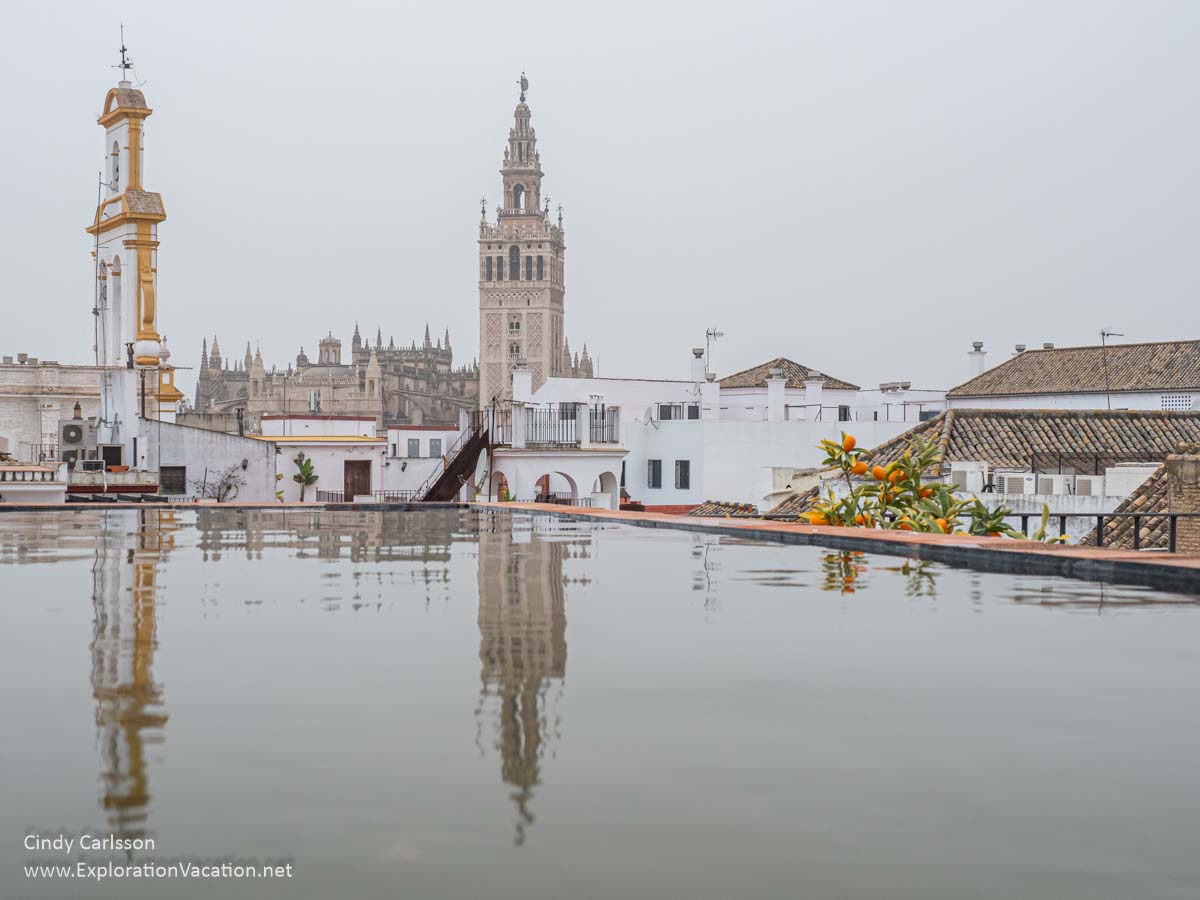
It’s in Barrio de Santa Cruz, which is both convenient for sightseeing and great just for wandering. Almost every street is picturesque! We walked everywhere we went and could have walked across to Triana from here as well.
Read reviews, compare prices and book the Hotel Amadeus on Booking.com or Expedia. (And get cash back if you are a Rakuten member.)
What would we do differently?
Like pretty much every city we visited in Andalucía, we wished we’d had more time and better weather.
Our hotel was pretty much perfectly located and, given the available time and weather, there aren’t too many things I would have done differently. Although there are a couple. . .
Skip the Metropol Parasol
Because I knew there was a light show at night, I made that a priority over a daytime visit when I could have walked on top and taken in the view. (Too much rain and too many other things required choosing one or the other.) That was a mistake in two ways: The view from the Parasol would have been much more interesting than the (really boring) light show. (And if you’re into selfies, this looks like a great spot for it.) But, even worse, I chose the Parasol over walking across the river to Triana. I think Triana would have been way more interesting and fun to photograph than the Parasol – day or night. And the view of the city looks as if it would be amazing from there.
Add the Plaza de España, Parque de María Luisa, and Triana
I’m not sure how I would have fit these in, but they look fun to photograph – even in the rain. Maybe especially in the rain.
👉 Read less
El Rocío and Doñana National Park (2 nights)
For something a little different from the usual Andalucía itinerary, we headed south from Seville to the town of El Rocío and sprawling Doñana National Park. El Rocío is famous for its unpaved streets, wild west vibe, and religious fervor. Doñana National Park is a UNESCO World Heritage site famous for its migrating birds and rare native lynx.
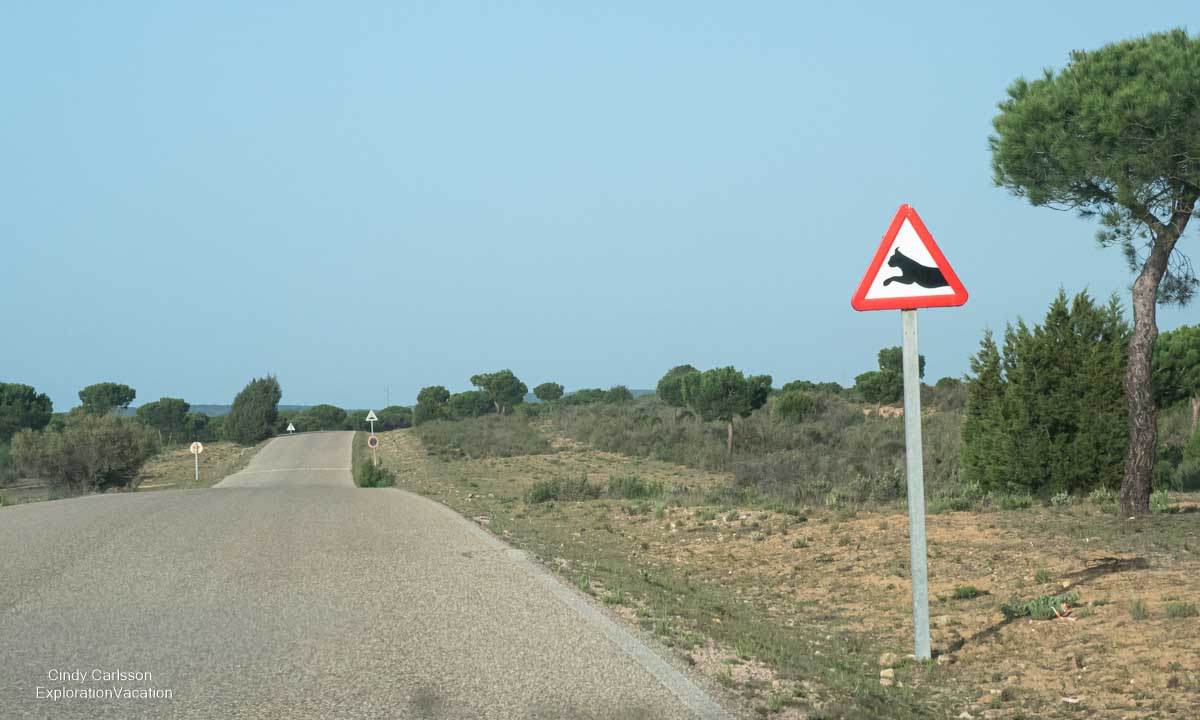
👉 Read more about visiting El Rocío and Doñana National Park
What did we do in El Rocío?
El Rocío
Usually quiet when there aren’t any religious festivals, visit El Rocío on a weekend when one or more of the religious brotherhoods is in town and the unpaved streets fill with horses, wagons, and revelers of all sorts. Fortunately, we ended up there on a weekend that fell somewhere between dead quiet and insanely busy.
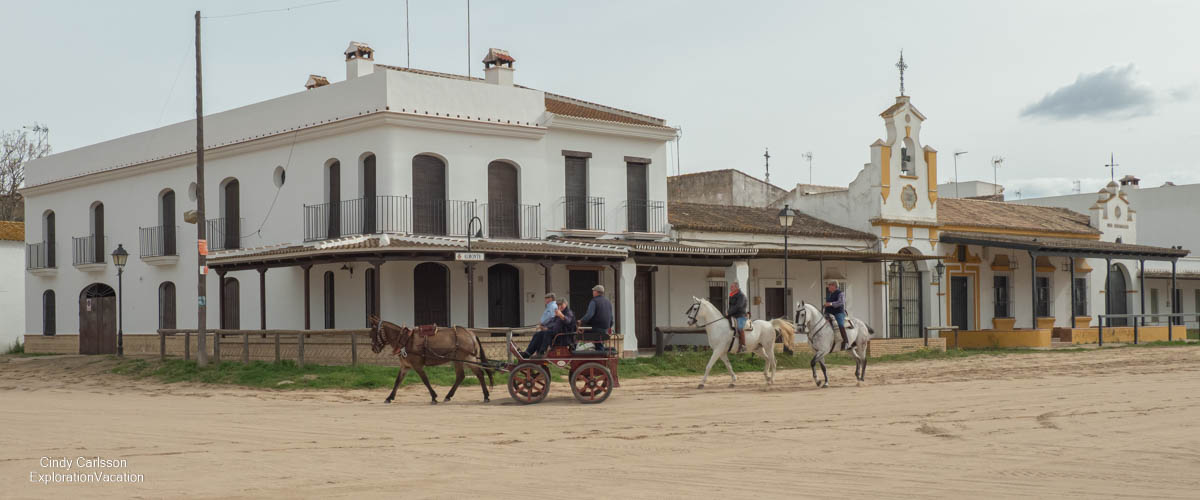
It was fun to watch the action in town AND to cross the street and watch the birds and “wild” horses in the lagoon.
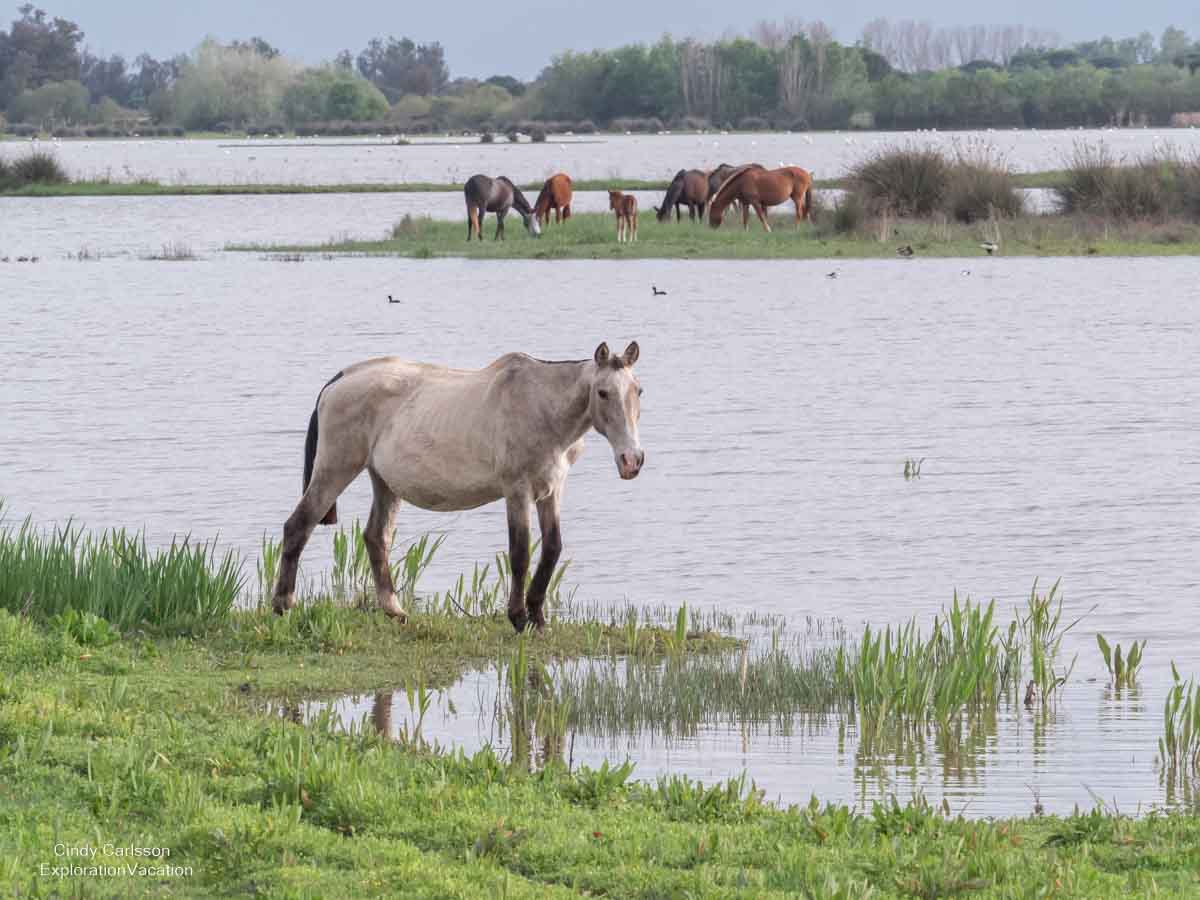
Doñana National Park
Doñana National Park is a UNESCO World Heritage site, due to its ecological diversity and the number of birds and animals that live or pass through here.
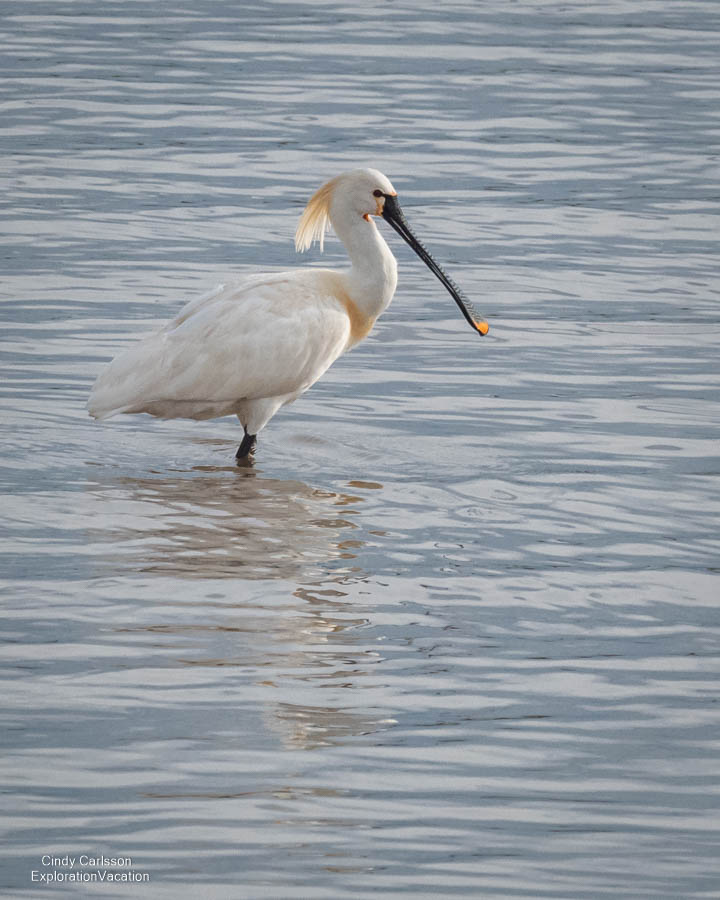
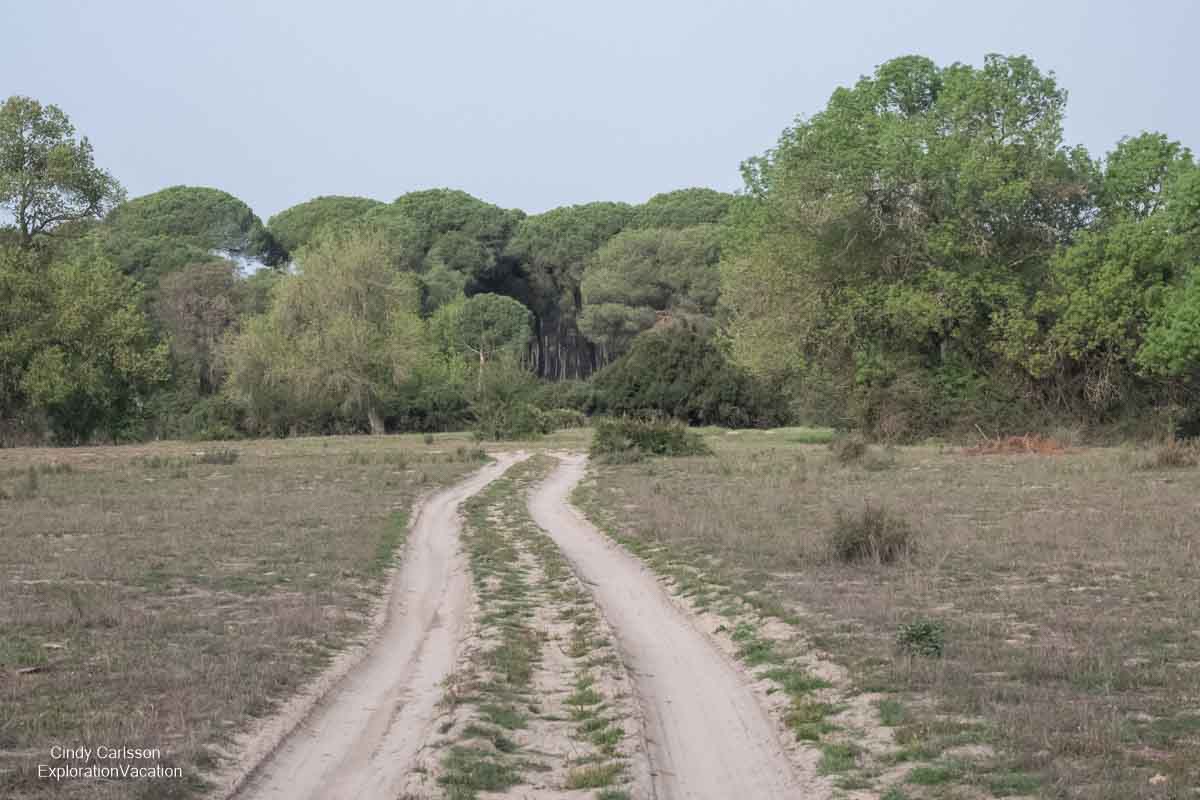
The park is almost impossible to explore on your own because it is largely a protected wildlife reserve with very limited vehicle access. Of course, you can hike into many parts of it, so we did take a few shorter trails.
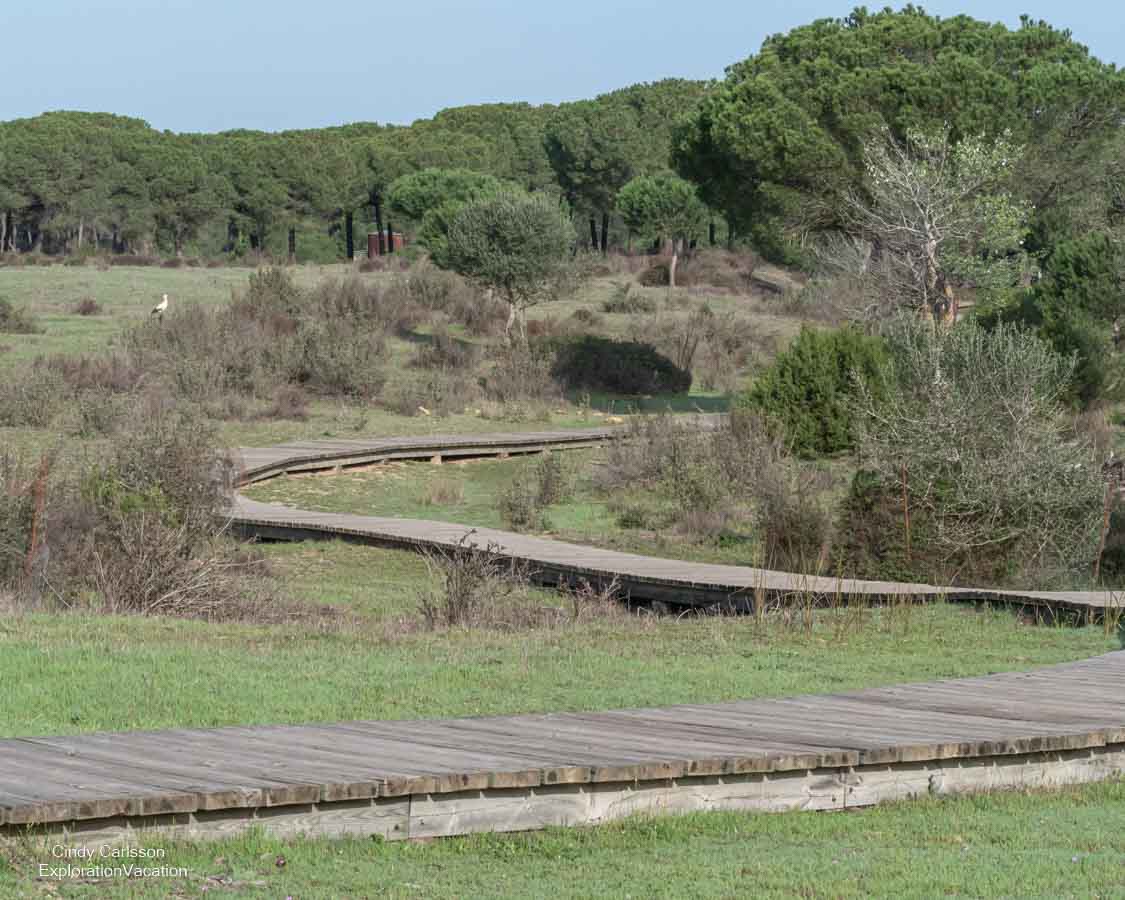
But most visitors book a half-day tour that features one or more parts of the park. A lot of those are done in large buses that take up to 30 passengers. We opted for a private tour with Doñana Nature, which took us into areas not open to most tours, as well as to a visitor center and lagoon we hadn’t gotten to on our own.
(No, we didn’t see a lynx. But we didn’t expect to see one. We did see a lot of interesting birds.)
What did we miss?
What did we miss in El Rocío?
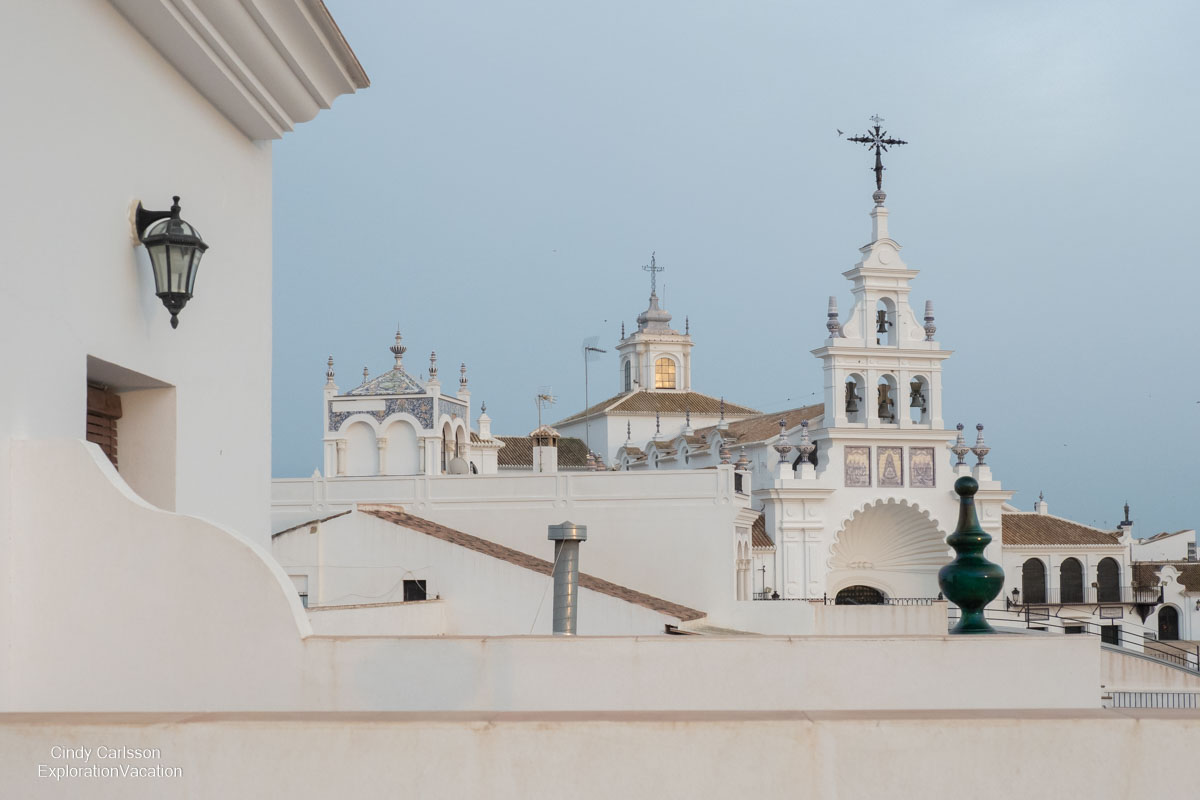
While there are some interesting buildings in El Rocío, there’s only one star attraction. That’s the Hermitage of El Rocío, home of the much-venerated statue of the Virgin of El Rocío. Although the chapel housing the statue only dates back to the 1960s, the site has been in use since the 14th century. It’s the focus of an annual pilgrimage that draws over a million visitors during one weekend each year. But I didn’t go inside! I planned to go inside, but I wasn’t really dressed for visiting when it was open and I hadn’t realized it would be closed when I had planned to visit.
What did we miss in Doñana National Park?
You can access bits of Doñana National Park from across the Guadalquivir River – but the nearest bridge to get there from El Rocío is almost an hour away in Seville. I wanted to take a river cruise that let’s you see a bit of the park from the river, but I was on the wrong side of the river.
I also wanted to spend time walking along the beach, but we couldn’t find a spot to park!
Despite missing those areas, I was really happy with what we did see.
Where did we eat in El Rocío?
Our favorite spot was (affiliate link). Just be warned, the garlic shrimp is amazing, but it has a LOT of garlic!
Where did we stay in El Rocío?
Hospedería El Cazadero Real in El Rocío is pretty basic, but some rooms have patios with a view of the church and lagoon. So, you aren’t right by the lagoon, you still can see wild horses and flamingos from your patio — when you aren’t watching sunset reflected in the church windows. And they have the nicest staff who are willing to speak through Google translate if your Spanish isn’t up to a detailed conversation.
Read reviews, compare prices and book a room at the Hospedería El Cazadero Real on Booking.com or Expedia. (And get cash back if you are a Rakuten member.)
What would we do differently?
Had I realized a religious festival would limit access to the hermitage church, I would have gone inside when I first had a chance – even though I was hot and sticky and not really suitably dressed. But I actually got lucky with the religious festival. It was fun to see all the activity in the street and get a glimpse of what makes El Rocío unique.
Jerez de la Frontera
Had we stayed in Jerez de la Frontera as we had originally planned, the Doñana boat trip on the Guadalquivir would have been doable. However, we still would have needed to add at least an extra day to our itinerary for the river cruise to happen.
With more time available, I would add three nights in Jerez de la Frontera. That is enough to explore the town and taste some sherry, do some horse-related touring, and see Doñana from the river.
👉 Read less
Cádiz (2 nights)
Cádiz is among the oldest continuously inhabited cities in Europe. That was what drew me there. But it was supposed to be our base for exploring elsewhere in the area, not where we stayed and explored. However, we took an immediate liking to the city as we drove into it and immediately decided to park our car for a couple of days and spend all of our time exploring Cádiz itself.
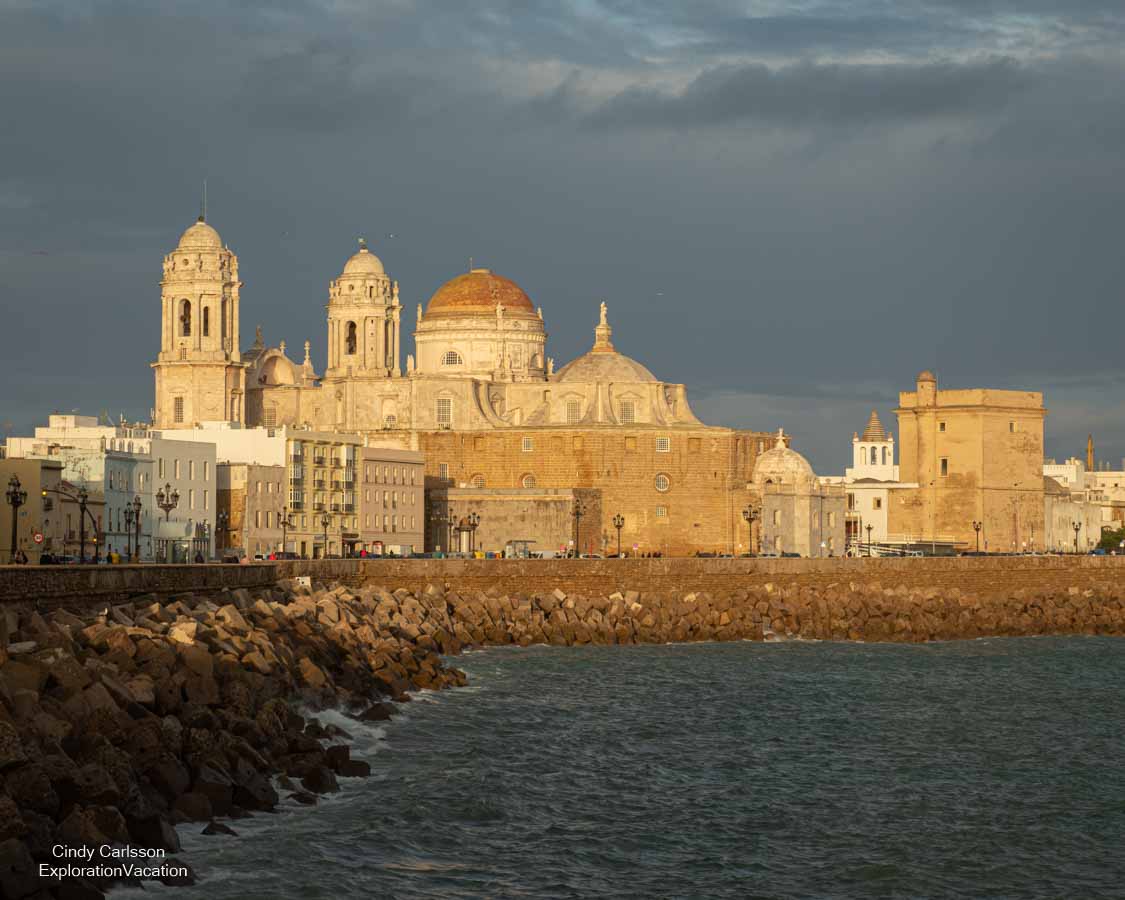
I just wish we’d had another couple of days to explore more of the city and one or two other nearby cities.
👉 Read more about visiting Cádiz
What did we do in Cádiz?
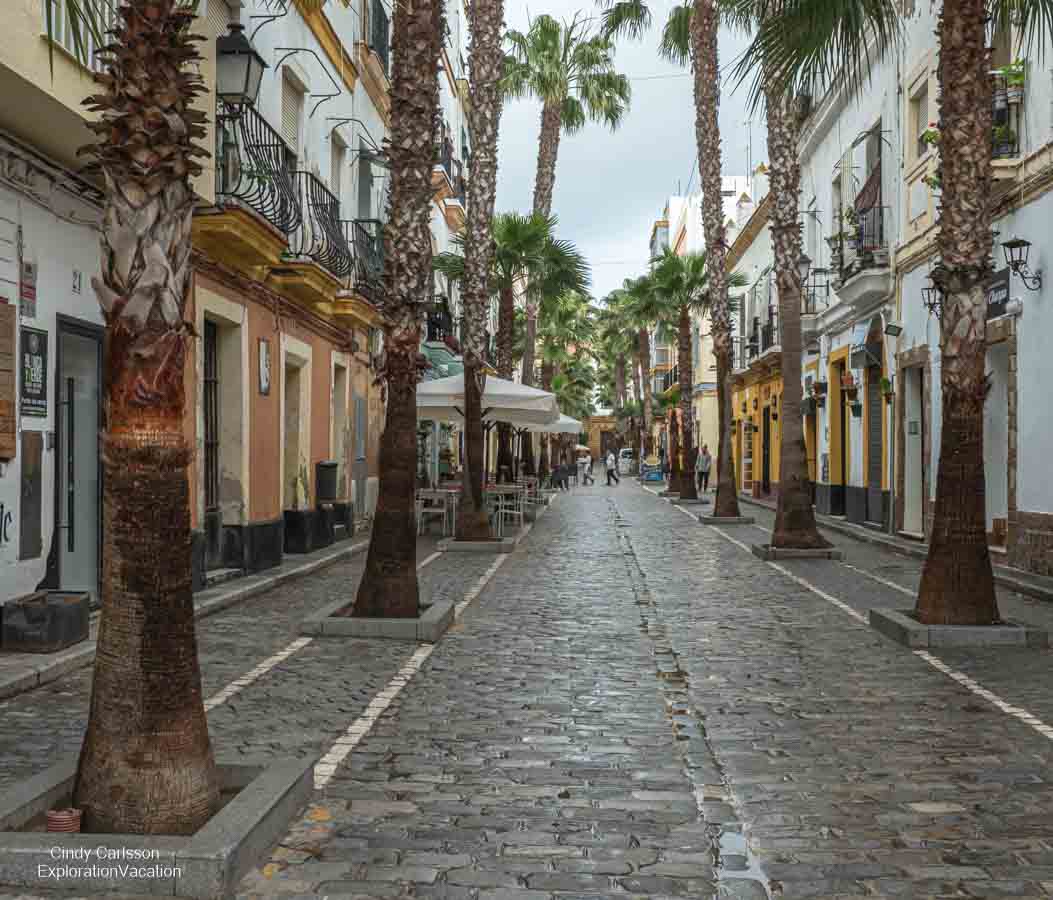
When it wasn’t raining, we spent most of our time in Cádiz just wandering. Between the coastline, historic buildings, and gardens there was plenty to enjoy.
Cádiz Cathedral
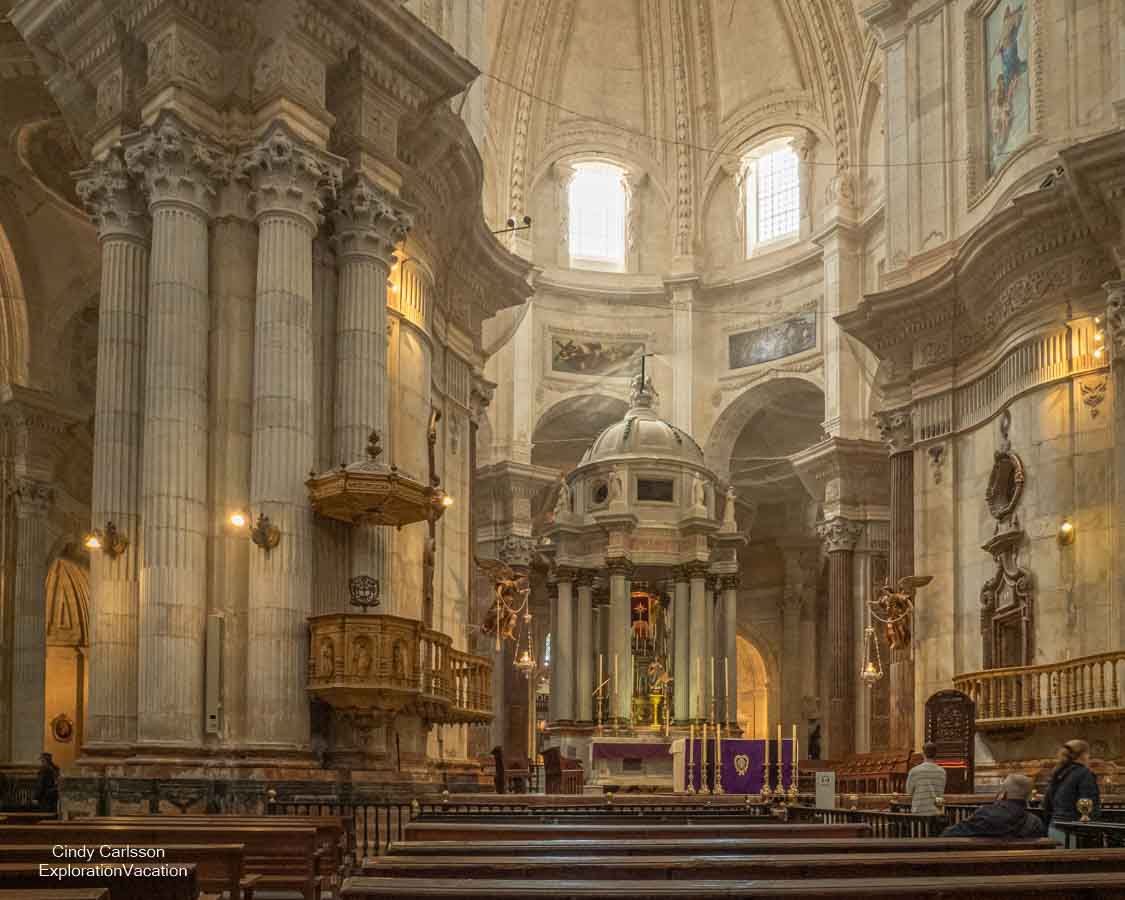
Construction of the Cathedral of Santa Cruz in Cádiz began in 1722 and continued for more than 100 years. Not surprisingly, it’s a mishmash of styles. But there’s a lot to see and some items came from the earlier, smaller cathedral this one replaced.
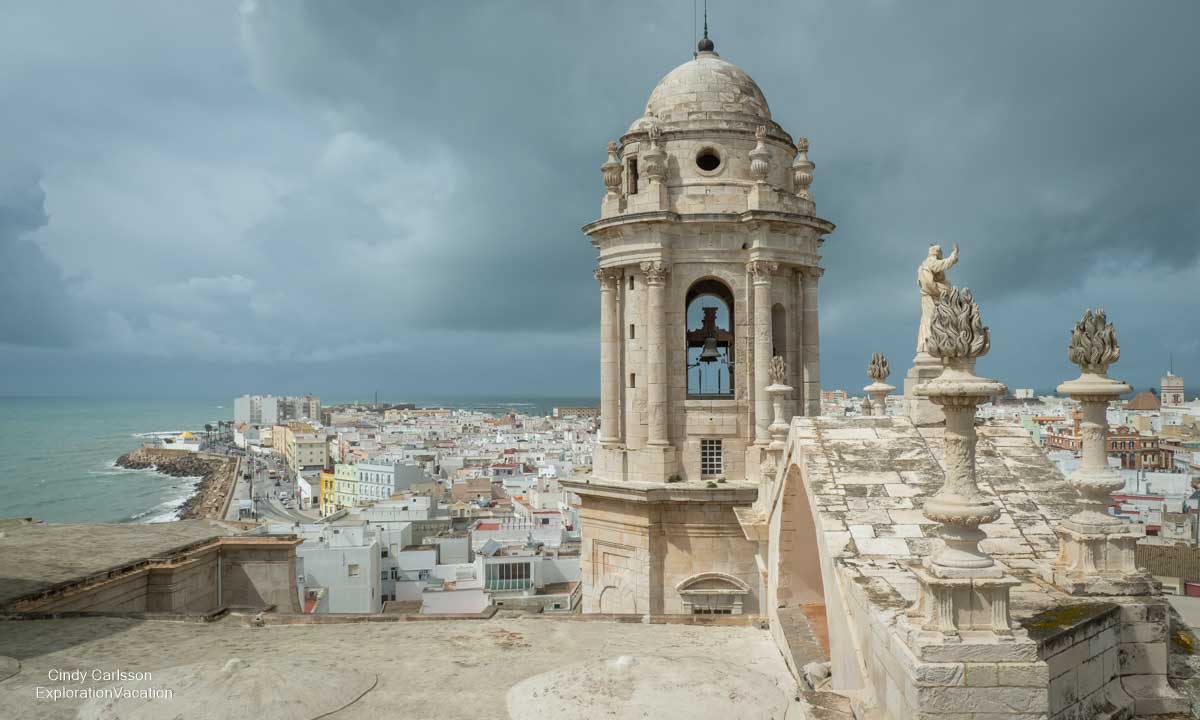
But the best part is the tower, which is easy to climb (it has ramps) and provides wonderful views over the city to the sea.
What did we miss in Cádiz
Guidebooks tended to dismiss Cádiz, and most tours and Rick Steves ignore it completely. But friends who visited loved it and, as one of the oldest cities in Europe, it seemed worth visiting. The original plan was to stay in Cádiz at night and spend the day touring Jerez de la Frontera and sipping sherry. However, we immediately fell for Cádiz, agreeing (before we even got to our apartment) to just spend all our time right here.
It turns out Cádiz is a little like Seville – the perfect place to linger and just enjoy being there. But we only had one full day – a day that continually shifted between hot sunshine and wet, windy squalls. And this was the one city we visited in Andalucía where we repeatedly got very, very lost. So, we missed a lot.
Gardens
I did see some gardens. But I also missed a ton of them. Cádiz has beautiful gardens everywhere! Plazas overflow with plants, as do many of the city’s promenades. It’s gorgeous. And I only saw a tiny fraction of it.
Castle of San Sebastián
It’s not like I didn’t try to visit the Castle of San Sebastián, a historic fortress connected to shore by a walkway. But howling wind, crashing waves, and fiercely blowing sand stopped me before I even got halfway to the fortress itself.
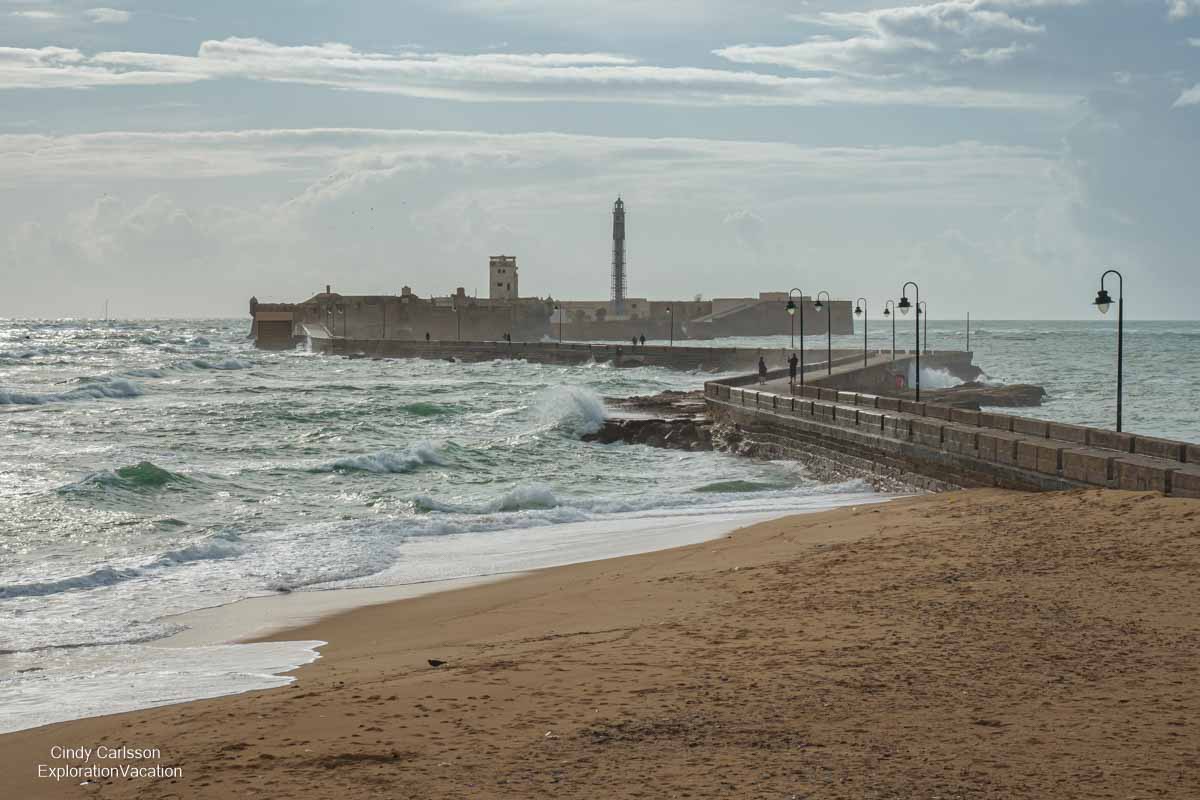
Torre Tavira
This 18th century watch tower (with a view over the city) was on my itinerary for our day in Cádiz, but we ran out of time and energy.
Theaters
We admired the early 20th century Gran Teatro Falla from outside, but didn’t get inside. One of my (largely unrealized) goals for this trip was to hear live Spanish guitar music. This would have been a great place to attend a concert or show. The Tía Norica Puppet Theater is also in Cádiz. That would have been really cool too.
Museo de Cádiz
The Museum of Cádiz was on my maybe list. However, I didn’t realize they had Tía Norica puppets or it might have been higher on the list.
Beaches and marshes
I’m usually always up for a walk along the beach – even heavily-developed beaches like some of those in Cádiz. But I’m not big on being sandblasted during my beach stroll, so I mostly stayed off the beaches.
The area right outside the city of Cádiz also has some significant marshes that would be great for birdwatching.
More Flamenco
There are different forms of flamenco and Cádiz is noted for the dance. It would have been fun to see what was on offer here.
Where did we eat in Cádiz?
We did eat out in Cádiz, but our best meal was the enormous take-out bowls offered at (affiliate link) near our Airbnb. Otherwise, we didn’t really have any stand-out dining experiences (the one highly-rated restaurant we went to wasn’t very good) and wet weather led us to snack at our apartment for a few meals. That’s sad, because Cádiz is known for its seafood.
Where did we stay in Cádiz?
Airbnbs are really controversial in Spain, as they are in many places. They do contribute to rising housing prices, but they are usually far from the only thing pricing local residents out of their homes. For travelers, they offer something that doesn’t exist otherwise: Ample space with a kitchen, often in pleasant and interesting areas where there are no hotels. And they offer a way for individuals to make a nice side income.
However, companies buying up properties and managing them as Airbnbs is a real problem. I tried to avoid those in Spain, but I still don’t know if I succeeded in Cádiz. We had a place that worked well for us. But was operated by a management company, so I have no idea who actually owns it and whether they have one unit or 60.
What would we do differently?
Stay longer
Cádiz deserved way more than one full day. But even if we also had added two full days in Jerez de la Frontera, Cádiz still would have required at least two full days just to feel like I’d actually really seen it. Two days beyond that would have let me do most of the gardens and more of the coastal area. And I think I could have happily stayed a lot longer.
Maybe stay in a more residential area
Our Airbnb had secure parking nearby and was located in the center of the city, so we could walk almost anywhere pretty easily. But it didn’t have a lot of restaurants or green space right nearby. Given the weather, a neighborhood with a variety of cafés, tabernas, and restaurants within easy sprinting distance would have been nice. And it would have been fun to have a little nightlife in the area.
Eat out more?
As noted above, Cádiz is noted for its food. However, we only ate out a handful of times and most of our restaurant experiences were pretty mediocre. Both of the cheaper casual places we ate at were better than the one more expensive one we tried. All were relatively near our hotel. I’m assuming there are better options in other parts of the city.
👉 Read less
Along Spain’s southern coast (2 nights)
Although we had a brief bit of sunshine on our first day out of Cádiz, gale force winds, rain, and a sandstorm combined to give us some pretty ghastly weather for most of our remaining time in far southern Spain. But we did see a few things.
👉 Read more about visiting Spain's southern coast
What did we do along Spain’s coast?
Faro de Trafalgar
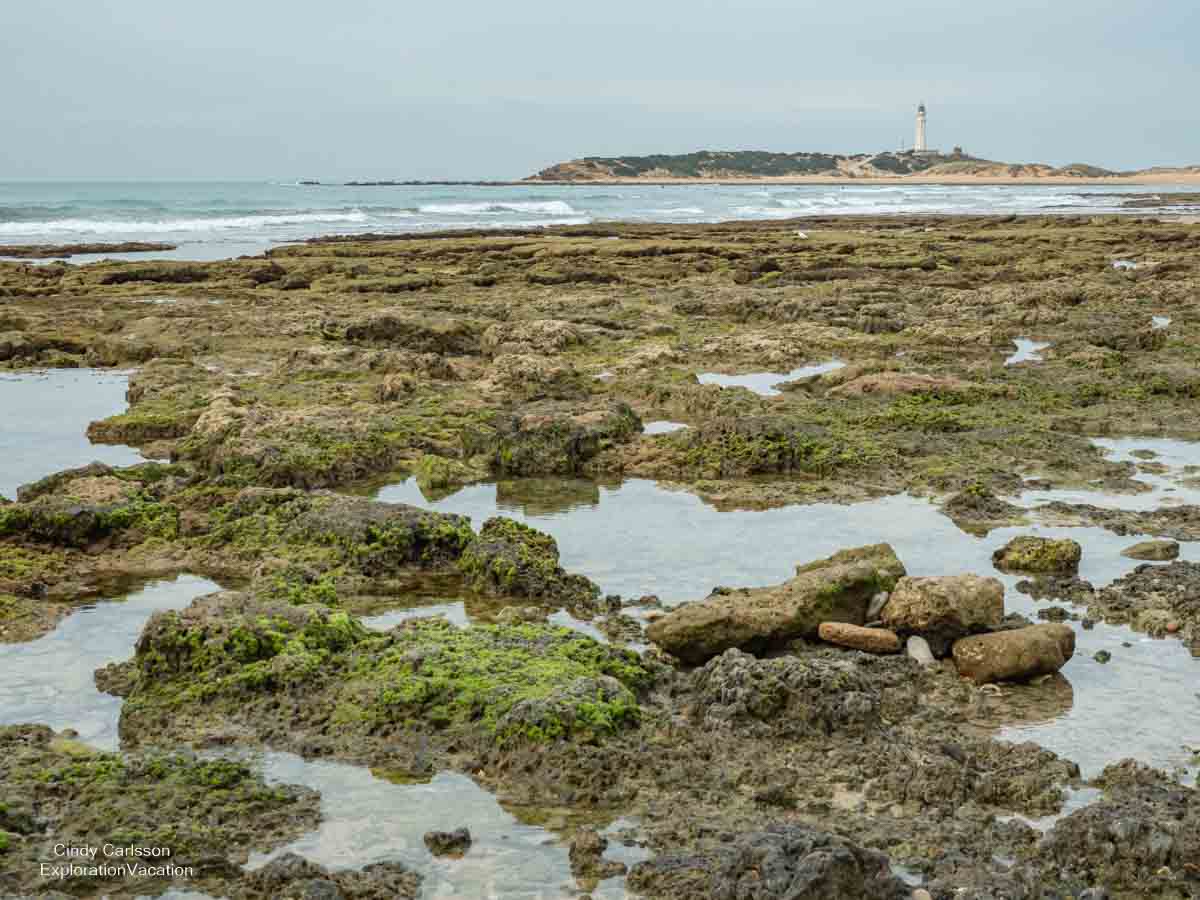
Spain’s coast has a lot of lighthouses and towers of all sorts. One of the most picturesque is the Trafalgar Lighthouse. While I couldn’t figure out how to get to the lighthouse itself, I did stop at a couple of beaches to get a picture of it, the beach, and tide pools.
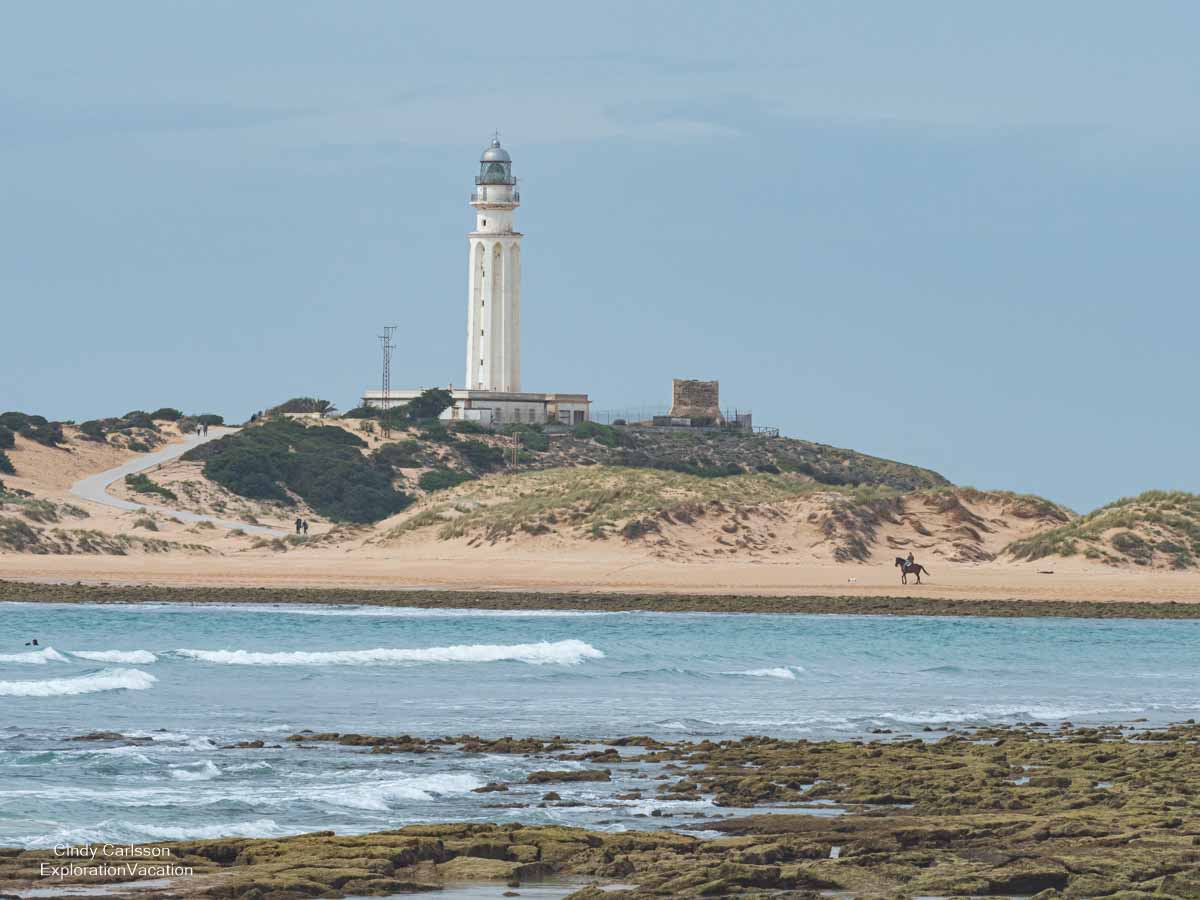
Driving through this area and stopping to check out the beaches made it clear that this would be a really fun beach vacation spot during warmer weather!
La Breña Natural Park
We stopped at a couple of parks, but the visitor facilities in most were closed (a combination of COVID closures and the season) and good trail information was lacking.
However, La Breña had an easy and well-marked trail that we followed quite a way, although not as far as the marshes or beach.
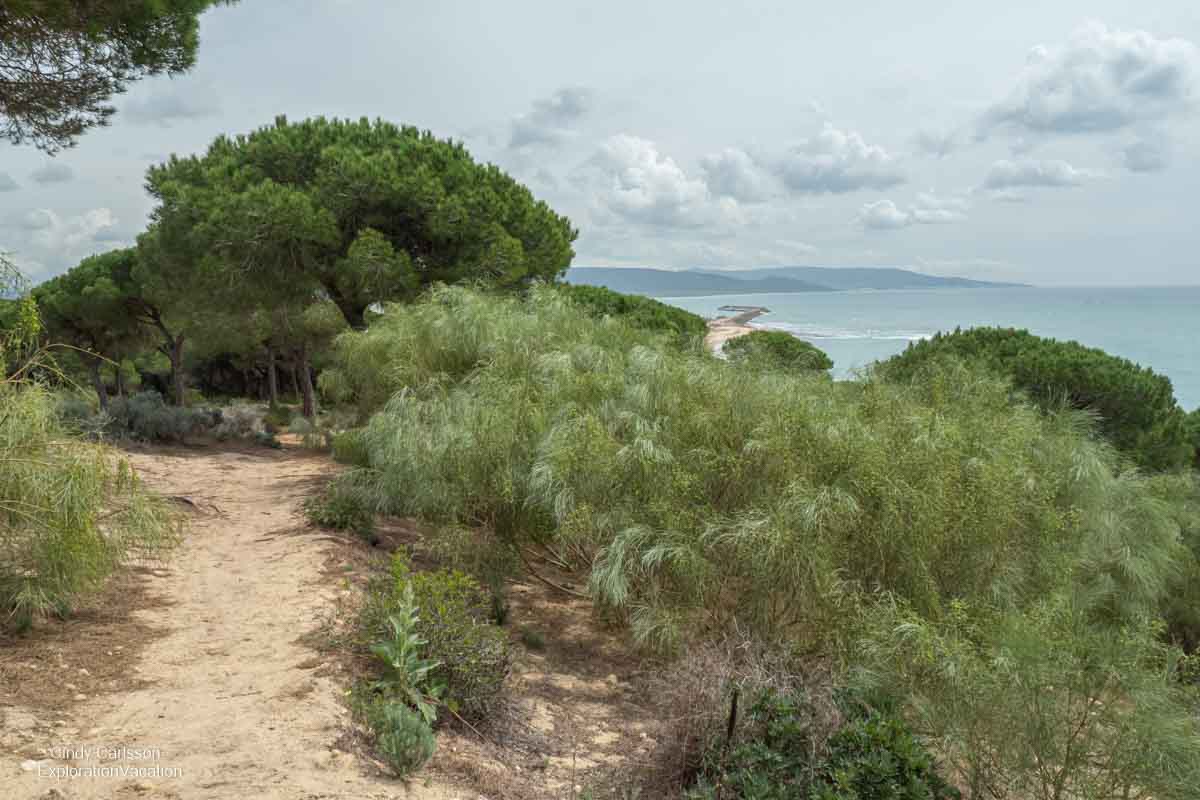
Tarifa
Noted for its windsurfing scene and ferry service to Morocco, Tarifa looks like a very fun place to relax and enjoy the beach.
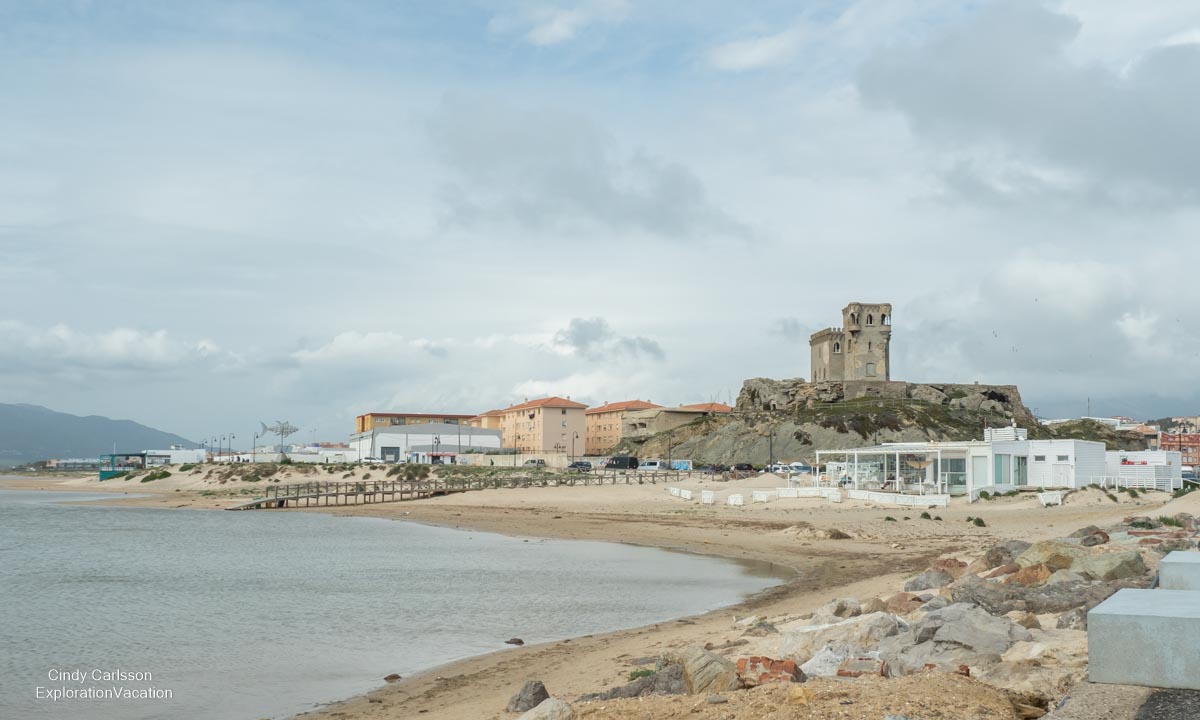
But it was starting to rain as we got into town – it was wet enough you could barely see Morocco just across the sea!
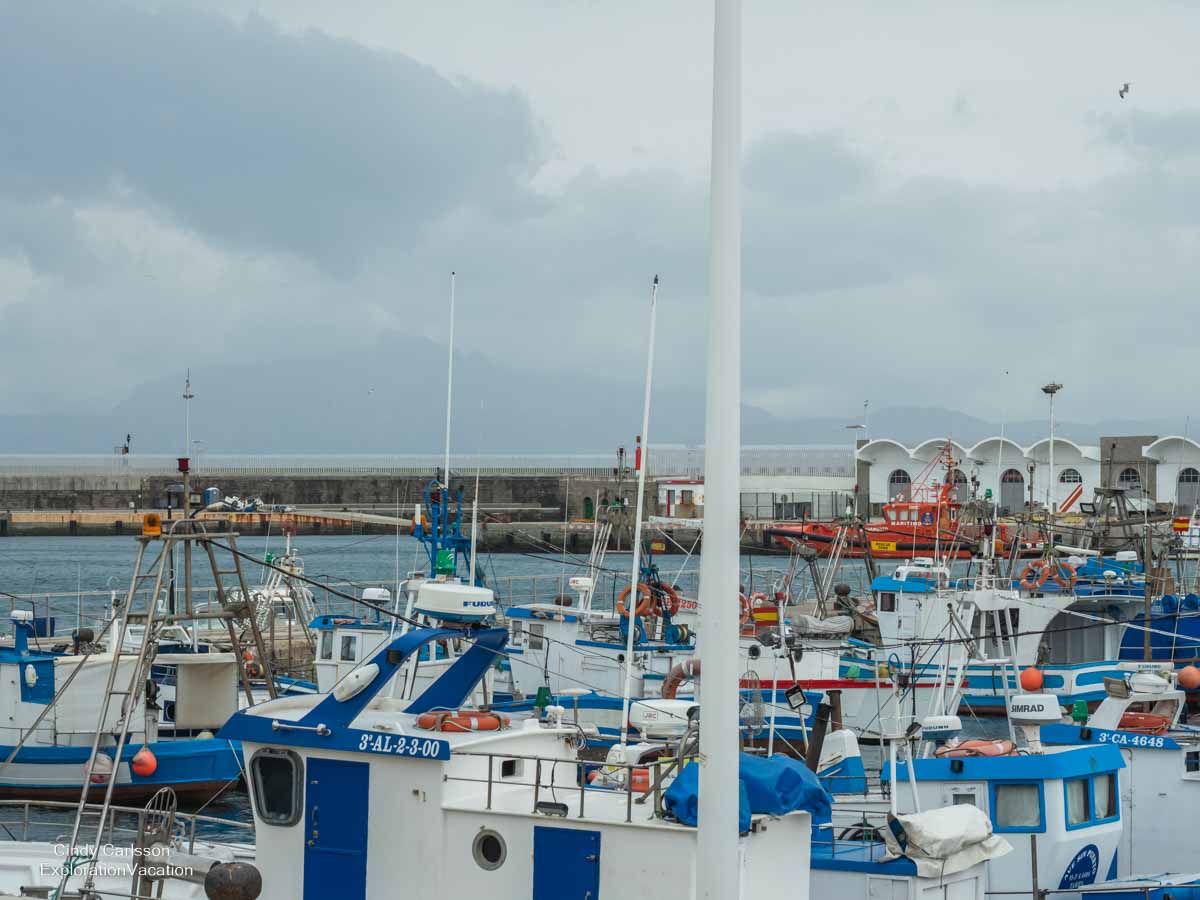
(Look closely and you can see Morocco in the background. Tangiers is just a short ferry ride away, although it would have been a miserably rough trip on this day.)
Given the weather, we dove into one of the city’s many seafood restaurants for a nice lunch instead of hiking around in the city.
By the time we finished lunch the wind was howling, but the rain had stopped. So, I made a quick trip to the waterfront and got quite distracted by the windsurfers.
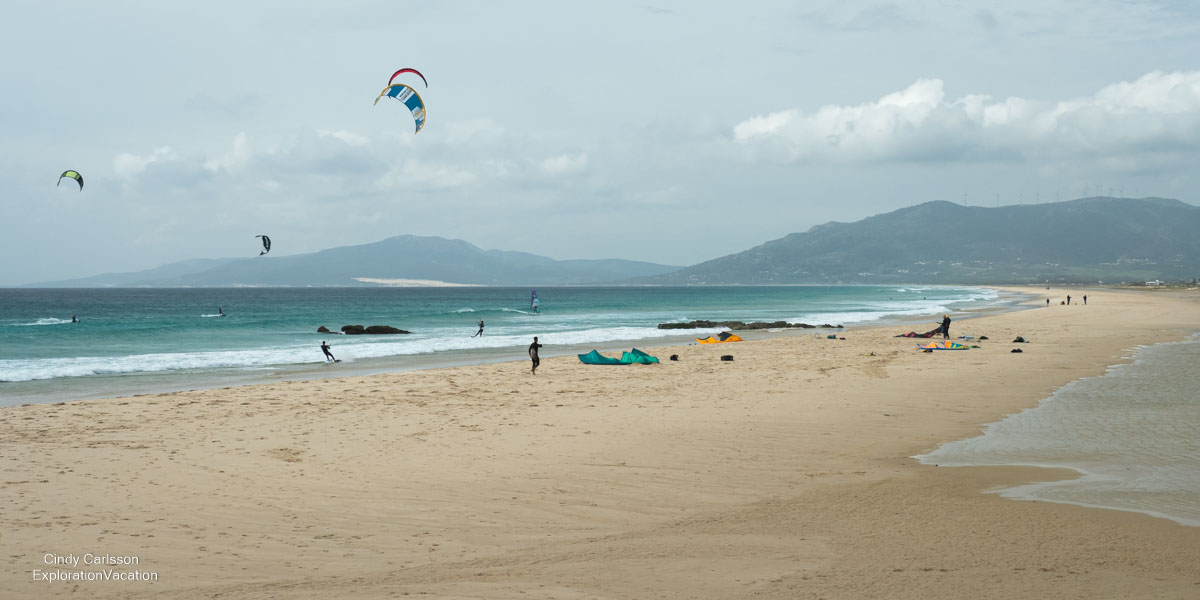
Tarifa is definitely worth a day (or much longer) in warmer weather.
Estepona
Given that March is usually too cold to play on the beach for any length of time (and we hate big beach resorts), we hadn’t planned to visit any of the many miles of beach developments along the Costa del Sol.
But Estepona has an orchid conservatory. And that seemed like a better option than touring mountain villages during a torrential calima, (A calima has rain mixed with airborne Saharan sand. It literally rains mud.). And the center of Estepona was charming – just really wet.
The Estepona Orchid House
The Estepona Orchid House has over 4000 orchids from all over the world. They are pretty packed together, so it’s mostly non-stop flowers.
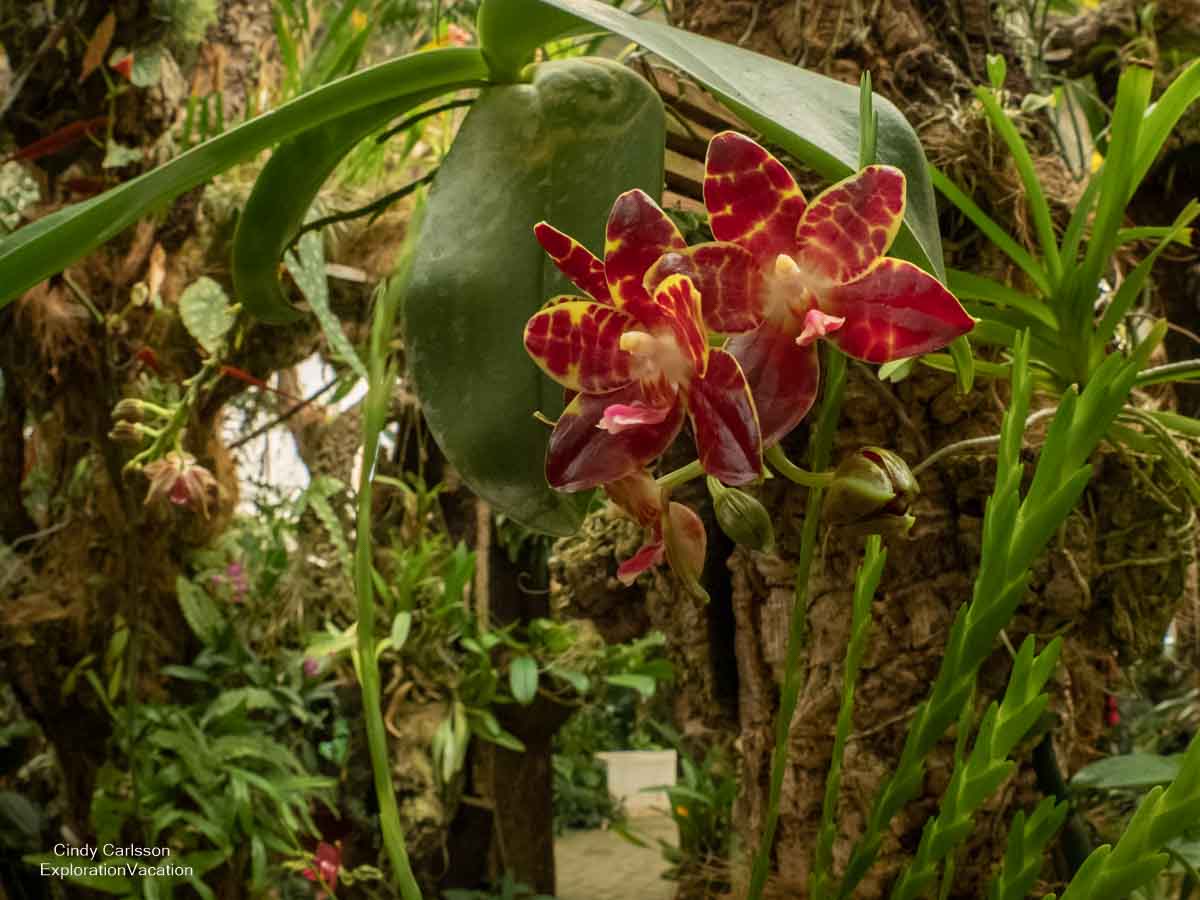
The Orchid House was in the center of the city, in an older area with a surprising amount of charm – and lots of traffic and no parking. In better weather it would be very much worth exploring.
With continuing rain/mud most of the day and a few flooded roads, our drive through the mountains and beautiful white villages was pretty wet with limited visibility.
What did we miss in along Spain’s southern coast?
With the exception of Málaga, we missed pretty much everything between Tarifa and Almeria along both the Costa del Sol and the Costa Tropical.
Part of that was planned. It wasn’t really beach season and a lot of this area is packed with large, multistory beach developments. That’s not my thing. So, the upscale resorts, shopping, and dining in places like Marbella weren’t on my list after the conference I was planning to attend there changed dates fell off the itinerary.
But the weather didn’t help either. This is one area where it really put a kibosh on our plans. Gale force winds and torrential rains during most of our time here ruled out a lot of activities – even driving between places was challenging.
Tarifa and its beaches
We had almost no time to explore either Tarifa or most of the parks and beaches along the way. Driving south, this corridor is filled with resort areas both large and small and national parks. I could easily see taking a beach vacation in this area, as many spots looked pretty casual and there are lots of places to hike.
That’s particularly true as you approach Tarifa from the north. There are lots of low-key surfer spots that look like they’d be fun places to just relax for a few days even for non-surfers like me.
Tarifa itself isn’t very big, but it has serval things that I would have explored given more time, drier weather, and a willingness to tear myself away from the kite surfing antics on the beach! The city has what looks to be a pleasant old town area. It also has some dramatic fortresses (or the ruins thereof), particularly the 10th century Castillo de Guzmán El Bueno that stands high above the sea.
The ferry to Morocco
It only takes a bit more than a half-hour to take the ferry from Tarifa to Tangier, Morocco. I didn’t get to Tangier when I was in Morocco and thought it would be fun to go over for the day. We didn’t really have time for that and the weather conditions took it off the table completely. But it’s an easy daytrip and also a great way to add a short multi-day Morocco trip to the itinerary. (There are several places in northern Morocco that I haven’t gotten to, so it was tempting.)
Gibraltar
While it’s British, rather than Spanish, Gibraltar was high on my list of places to see. Alas, gale force winds and the threat of torrential rain ruled that out. But it did clear enough (momentarily) as we were leaving the area for me to at least see the Rock.
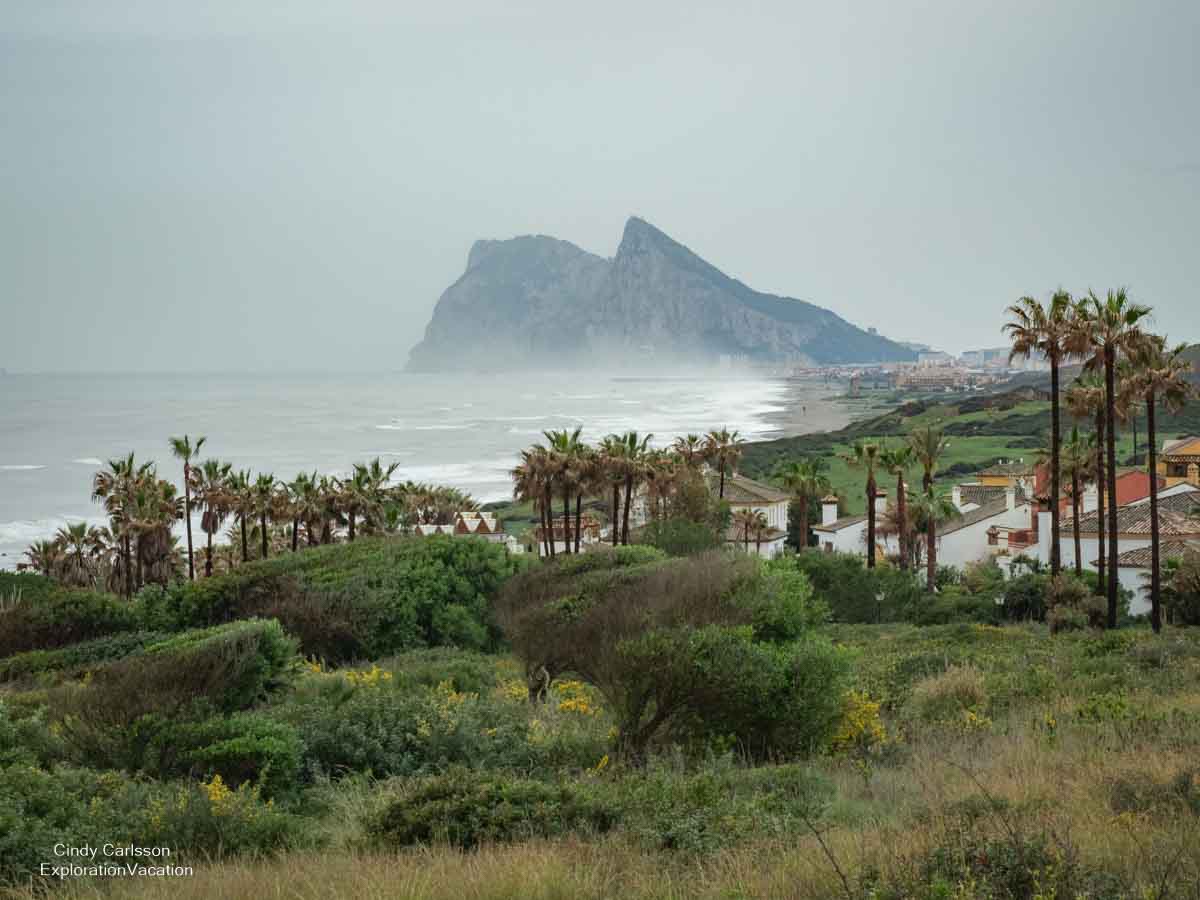
Costa del Sol and the Costa Tropical
You’ll see farther along that I did get to Málaga (where we had gorgeous weather), but other than that, Estepona was our only stop along the coast. And we only stopped in Estepona because there were orchids there and driving in through the muddy calima was so miserable.
While the beaches in this part of Spain are supposed to be lovely, I didn’t really even consider them. The only exception was Nerja, which would have been fun to visit for its spectacular coastline and caves. That got cut early in the planning process due to time constraints.
Next time.
What did we eat along the coast?
After a decent but forgettable seafood lunch in Tarifa, we were fortunate to find a grocery store near our lodging where we bought groceries for the next few days.
There was a resort “town center” (a fancy shopping mall) that had a pizza place, café, and restaurant; but it seemed easier to go out once for groceries and eat things we made ourselves than leave repeatedly to drive to the other side of the resort area for what was undoubtedly over-priced meals.
Where did we stay along the coast?
Rather than a hotel, I booked a condo at what I thought was a small golf resort with a view of Gibraltar. While it has a golf course (several of them) and some units have views of the Rock, it’s really an enormous development of vacation housing of all types, golf courses, and a “town center.” Not really my kind of place. However, off-season the Apartamentos Vista Real offered a lot of space at a super cheap price. It turned out to be a great spot to hunker down for a day.
Read reviews, compare prices and book the Apartamentos Vista Real on Booking.com or Expedia. (And get cash back if you are a Rakuten member.)
What would we do differently?
Given the weather we had, there really isn’t much I would have done differently. Although too isolated to make quick trips to explore the area, our apartment had tons of space to spread out, good internet, a full (if miniscule) kitchen, and views out to the sea. I got a lot of work done during our time there.
Spend a couple of nights in Tarifa
We didn’t book lodging in Tarifa because it wasn’t in a great spot for visiting Gibraltar and then continuing on. But it would have been a far more interesting spot to wait out the weather – if I could have found a suitable apartment. Given that I couldn’t predict the weather, I made a good call. I would have been absolutely miserable spending the time in a standard hotel room.
Tarifa would be a good addition to the itinerary in any weather. I really liked the feel of it and the fact that it still has small beach resorts instead of miles of high-rise condos. I’d happily go back and spend a lot more time.
Find a way to fit Nerja into the itinerary
Nerja looks like it has a nice mix of casual beach vibe and weird geology. That would have been a good combination for my Andalucía itinerary.
Take the inland route through the white towns
The other option in this area is to head inland.
As you travel a bit inland heading south from Cádiz, you can follow a route that takes you through some wonderful-sounding hilltop white villages. I had both Medina Sidonia and Vejer de la Frontera on my wish list – with a slow drive through the villages between them. Medina Sidonia got dropped from the list early because I really wanted to travel along the coast and our Andalucía itinerary didn’t allow time for a loop that let me do both.
But Vejer is less than 10 miles from the coast. It seemed like an easy side trip – until the storm moved in.
👉 Read less
Ronda (2 nights)
Two days in Ronda gave us some time without heavy rain. And it was a fun place to explore, even if we didn’t get to everything we hoped to see — the old part of town is interesting and the city’s cliff-top location makes for splendid views.
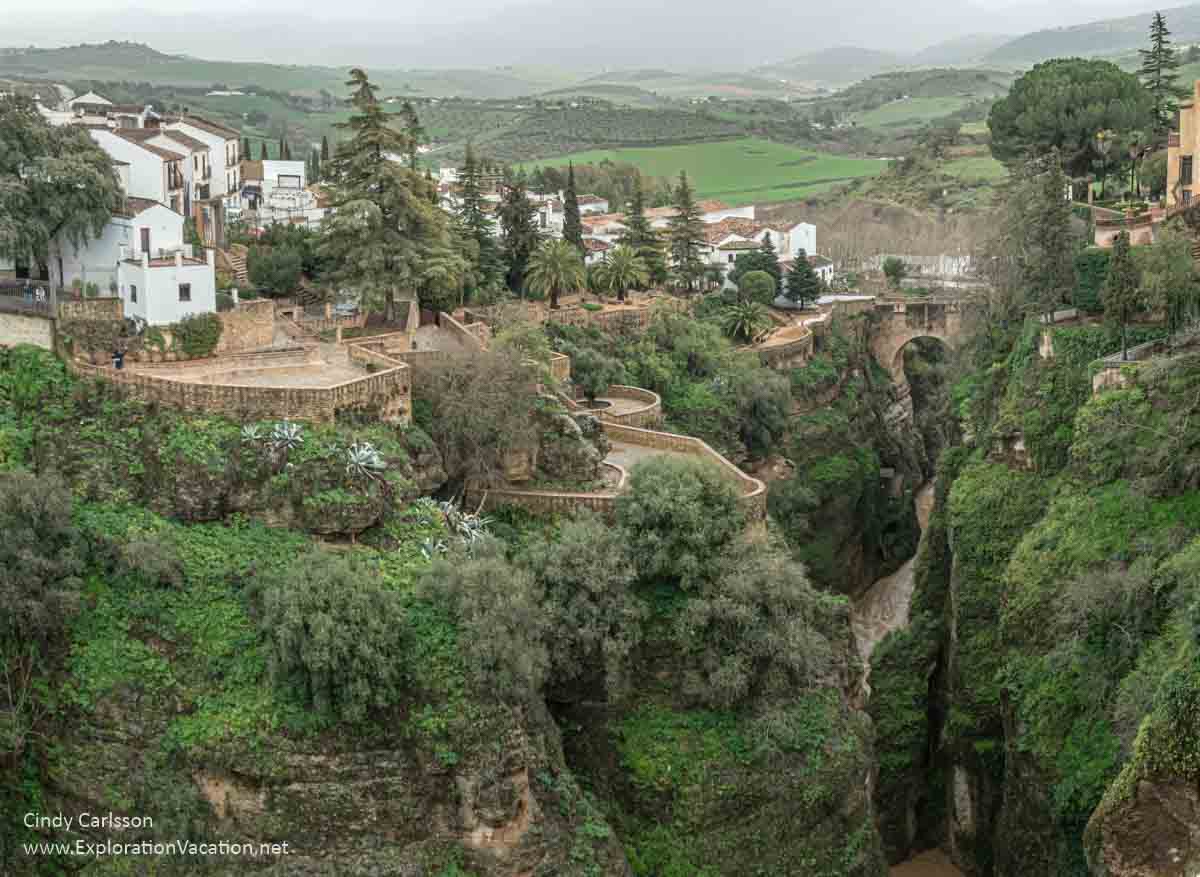
👉 Read more about visiting Ronda
What did we do in Ronda
Puente Nuevo (New Bridge)
Ronda is most famous for its 1793 “new” bridge.
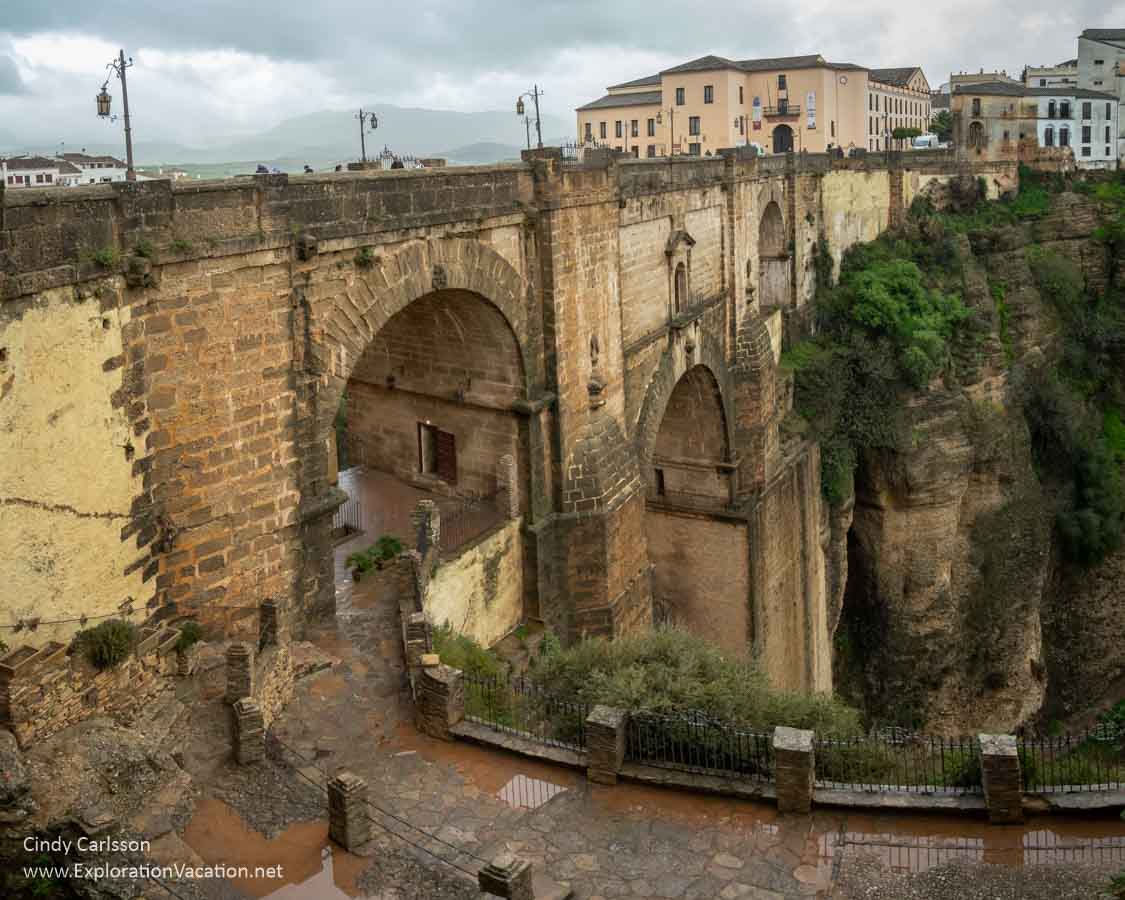
The New Bridge took 40 years to build and spans a gorge that is almost 400 feet deep. Despite a rather gruesome history, it’s an interesting bit of architecture.
The best views require walking down into the gorge, which would have been fine if there had been just a little more space between downpours!
Take in the views
Ronda is perched at the top of towering cliffs and you can walk along the top throughout the city. Depending on where you are, the view includes the surrounding countryside, the bridge, and/or the city itself.
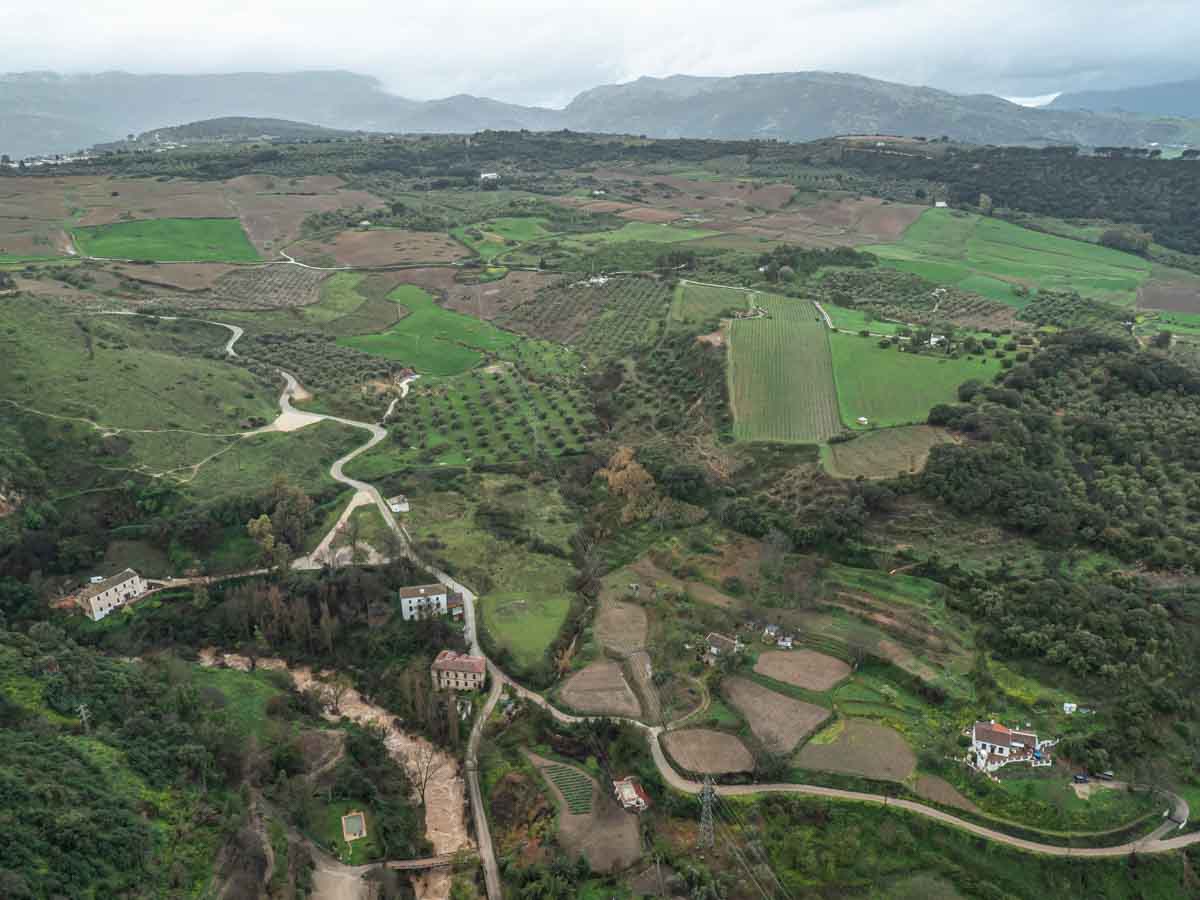
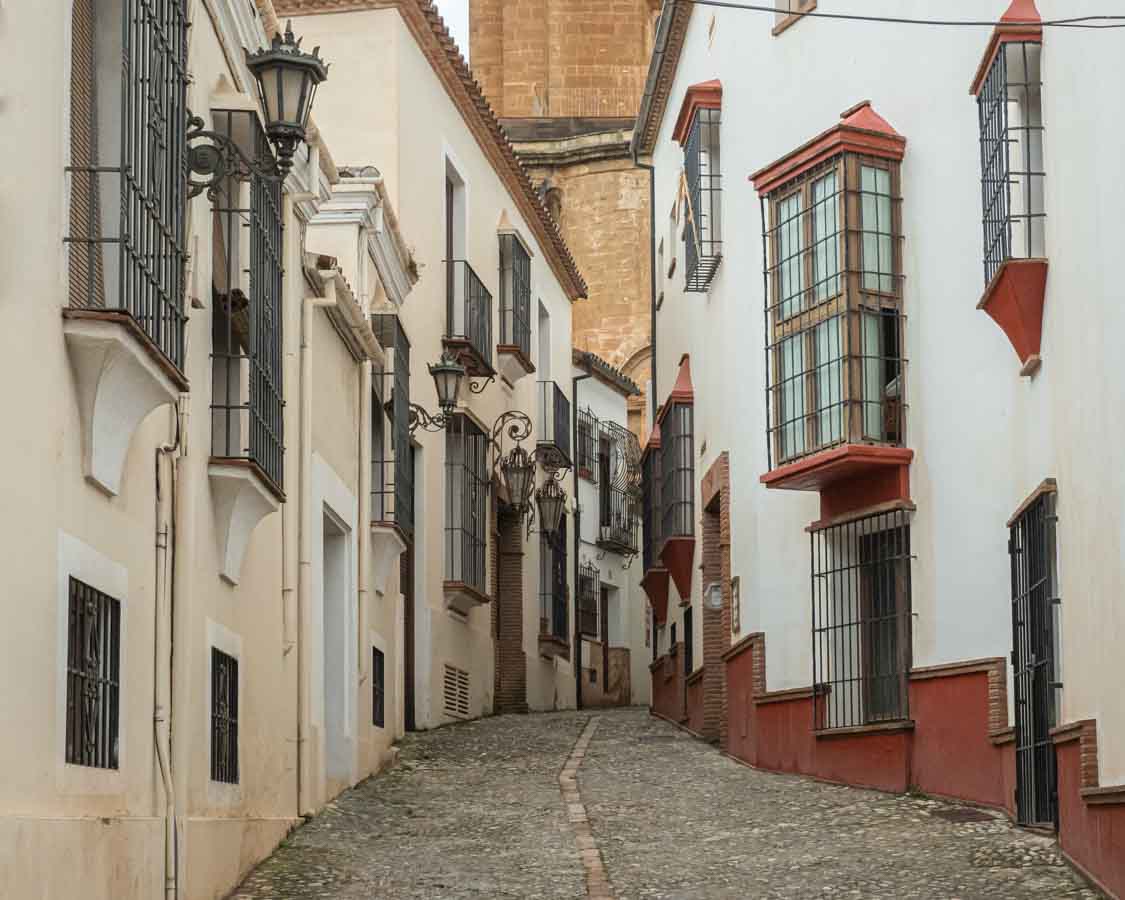
Wander the Old Town
Ronda’s famous bridge divides the city into the Islamic Old Town and the 15th century “New Town.” We spent a little time exploring both, but not enough in either.
What did we miss in Ronda
Ronda was another one of those places where the weather put a serious crimp on our activities, as this is a fabulous city for wandering and exploring on foot. And our timing was equally terrible for visiting museums and churches.
Getting the best view of the bridge
The best views of the Puento Nuevo are from down in the gorge. There are walkways into the gorge on both sides, but some areas seemed rather treacherous in wet weather. And even the usually easy paths were all really slippery because the stone was covered in wet clay from the calima. There are also other interesting, smaller, older bridges in the gorge.
Nor did I go down into the small museum in the bridge.
Besides missing Gibraltar, not getting very far down into the gorge was one of the few real disappointments on my trip to Andalucía. The photos looking toward the Puento Nuevo from the gorge look so amazing that I really wanted to take my own.
Really exploring Old Town
While we walked through a good portion of the city’s oldest area, there was plenty more to see. And there was at least one church I really would have liked to have gotten into!
The Arab baths
The Arab baths in Ronda are among the best preserved in Spain.
The Mondragon Palace
This early 14th century royal palace is now a local history museum. I wanted to visit the Mondragon Palace because the gardens and many of the main floor patios retain their Moorish features.
One of Spain’s oldest bull rings
Ronda has an architecturally interesting bullring with arched galleries in a city that was home to a number of famous bullfighters, it’s just not something I’m interested in. The Plaza del Toros also has a number of sculptures and plaques that celebrate the sport. . . again, not my thing, although the garden is nice.
What did we eat in Ronda?
As we kept getting caught in muddy rainstorms, we sort of grabbed something to eat in whatever spot was handy when the rain started.
Fortunately, the coffee shop on the first floor of the hotel was quite good and offered a variety of breakfast, bakery, salad, and sandwich options. They didn’t have very long hours, but it allowed us to avoid going out in one particularly heavy rainstorm.
When the weather is nice, there are many, many patios where you can eat and drink with a view of the gorge.
Where did we stay in Ronda?
Hotel Polo is conveniently located at the edge of the old town area, but only a few blocks from the bridge and other cool things. It’s a pretty basic hotel in an interesting historic building with friendly staff and a good location. But it isn’t anything fancy.
Read reviews, compare prices and book the Hotel Polo on Booking.com or Expedia. (And get cash back if you are a Rakuten member.)
What would we do differently?
I hadn’t realized quite how pleasant Ronda would be. Still, the amount of time we allotted usually would have been enough to get a good feel for the city and see the sites that most interested us. But this would also be a good place to just hang out for a week.
And, while I was happy with both our low-key hotel and its location, it would be really fun to stay right in the Old Town area.
👉 Read less
Pueblos Blancos tour (1 day driving tour)
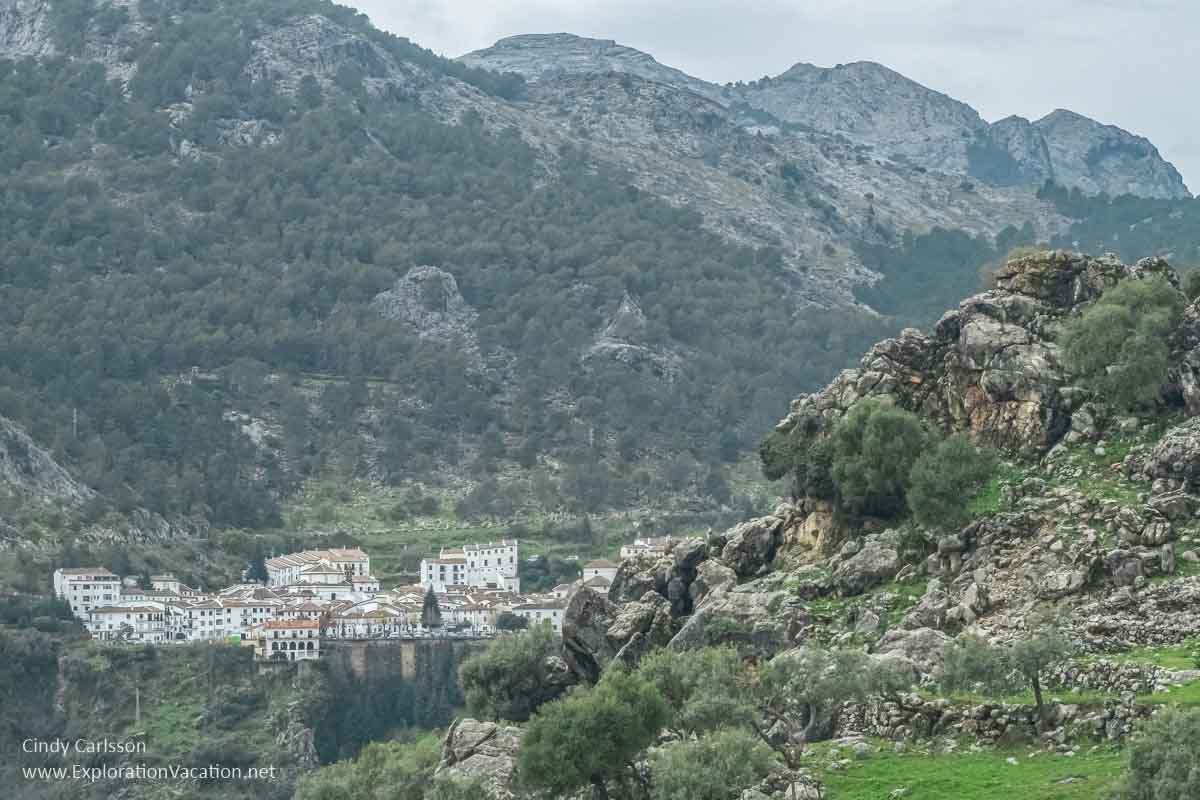
White towns hang along the hilltops in several parts of Andalucía, but the area around Ronda has some particularly towns and scenery to match. And, with a day that was supposed to clear, we decided to try to at least see some of them. We wouldn’t have much time to explore most of them, but at least we could see a few and make a few quick stops.
👉 Read more about visiting Spain's Pueblos Blancos
What did we do on our tour of Pueblos Blancos?
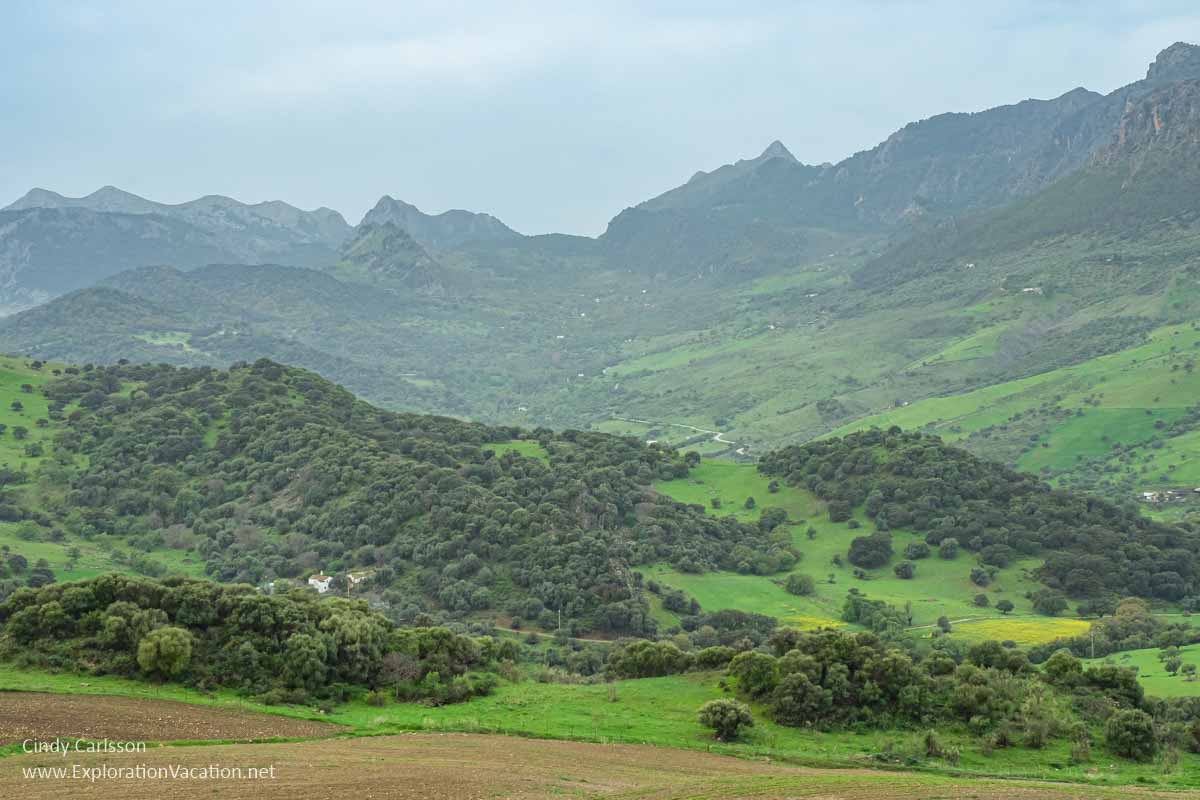
Mostly we drove through impressive scenery – much of the area we toured is part of Sierra de Grazalema Natural Park.
We had planned to spend time exploring the picturesque town of Grazalema, which is near Ronda and is noted for being quite beautiful.
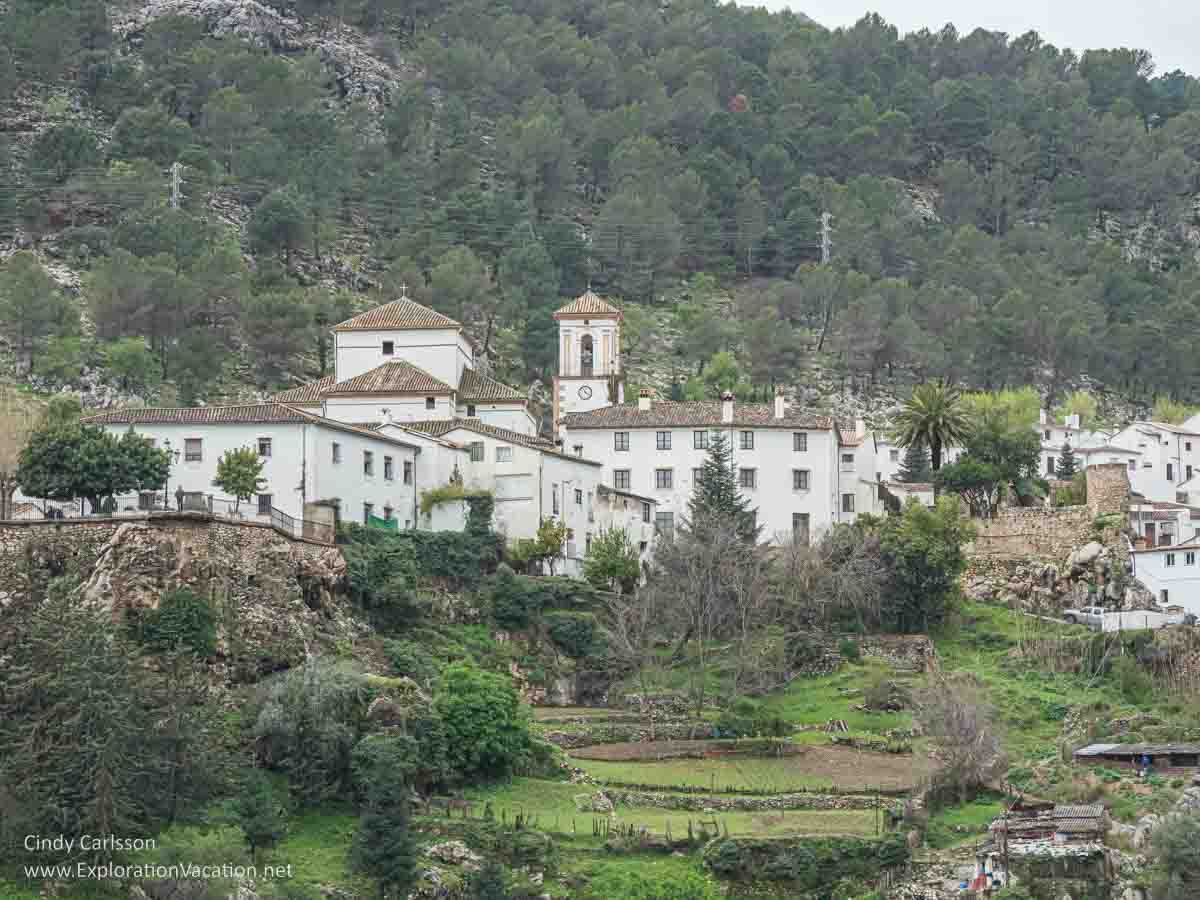
But, while it was beautiful, we were visiting on a Saturday and it was crazy busy.
(We didn’t even walk into town, figuring we would stop somewhere else instead.)
From there I think we drove through (stopping to take a few pictures as we went) Villaluenga del Rosario, Benaocaz, Ubrique (where we planned to stop until we realized how large a city it was), and El Bosque, before making our way to Zahara de la Sierra. I’m not absolutely sure what route we took because we didn’t always follow the main roads and my GPS tracker utterly failed, but I know we went through all of those towns at some point
Lunch in Zahara de la Sierra
Zahara de la Sierra is a spectacularly beautiful white village. And it has lots of easy-to-access free parking, which makes getting into the town easy!
The city’s most striking feature is the hilltop castle high above the town. Originally built by the Spain’s Islamic rulers, it was also used by the country’s Catholic rulers. We didn’t get up there. Instead, we toured a bit of the town and then had tapas in a pleasant courtyard.
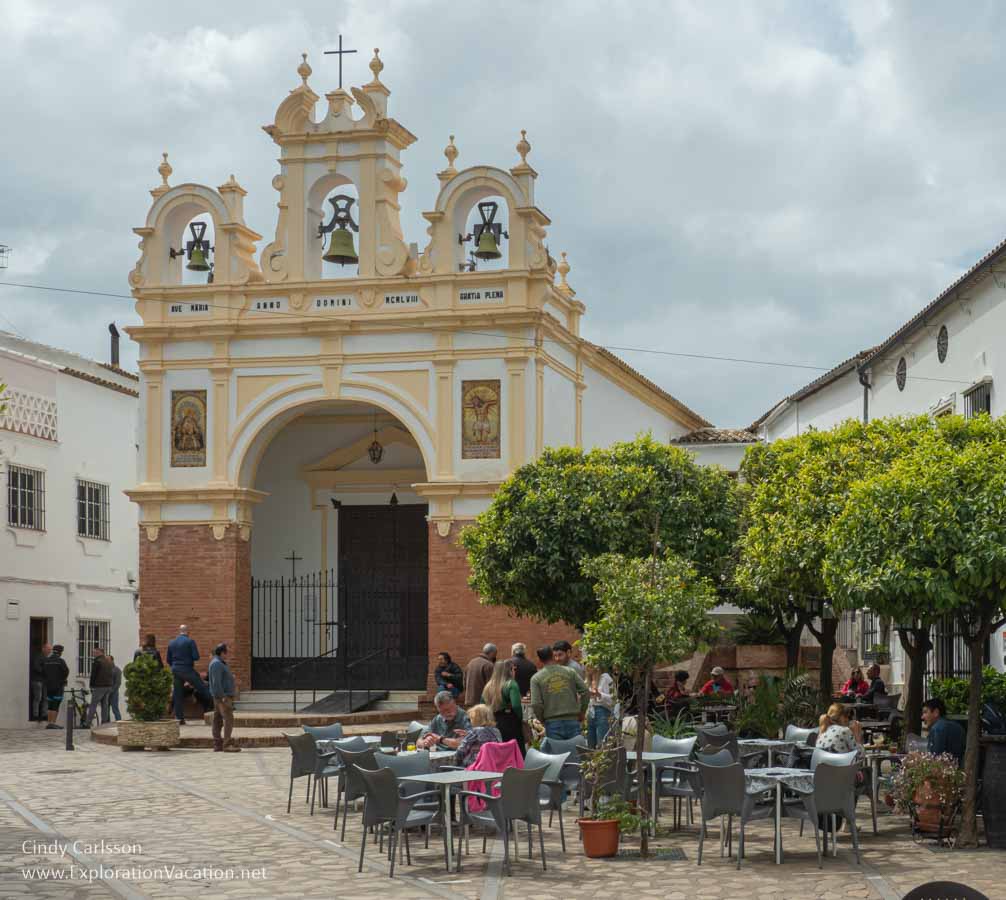
This is a gorgeous city and would be a fun place to spend a few days. (Of course, Andalucía is filled with places that fit that description, but Zahara de la Sierra has a lot to recommend it.)
What did we miss in the white towns around Ronda?
We finally had dry weather for our day of driving between Ronda and Málaga, but it was also a weekend, so places where we thought we’d stop in the morning were really busy. That means we drove past a lot of towns without getting out to explore. Which means we missed everything except the scenery!
Even in Zahara de la Sierra, we didn’t do much more than wander through the heart of town. As, by the time we got there, the church was closed and we really only had time for a bite to eat if we wanted to reach Málaga before dark.
What would we do differently?
In better weather, we would have had about the right amount of time to get a good feel for Ronda. But, as noted, this would be a fun place to stay for a week. That would be enough time to fully explore the city and some of the surrounding area
But we needed a lot more time to visit the white villages on all sides of Ronda. Travel times through this rugged area were much slower than anticipated. You really need a few days to see and explore a mix of these towns, some of which have stunning natural settings.
You can see some of the white village routes north of Ronda at the Sierra de Grazalema Guide website. (We mostly followed the three routes to the northeast of Ronda.) And, although Grazalema is the most well-known of these, I’m not convinced it is the most interesting or attractive of the towns in this area. There are also a number of very attractive white villages south or southeast of Ronda in some very dramatic mountains. (It was pouring and very windy when we drove through on our way into Ronda.)
In good weather, a week with three nights in Ronda and four nights split between a couple of white villages would be a nice mix. It would be a nice short vacation in and of itself or could be combined with a few more days in Málaga for a longer and more varied break.
👉 Read less
Málaga (3 nights)
The coastal city of Málaga was next on our Andalucía itinerary.
We were in Málaga mostly for a couple of museums. But Malaga is a lot prettier and has a lot more to offer than it appeared at first glance. I easily could have spent more time here, as I did not get to many things that would have interested me.
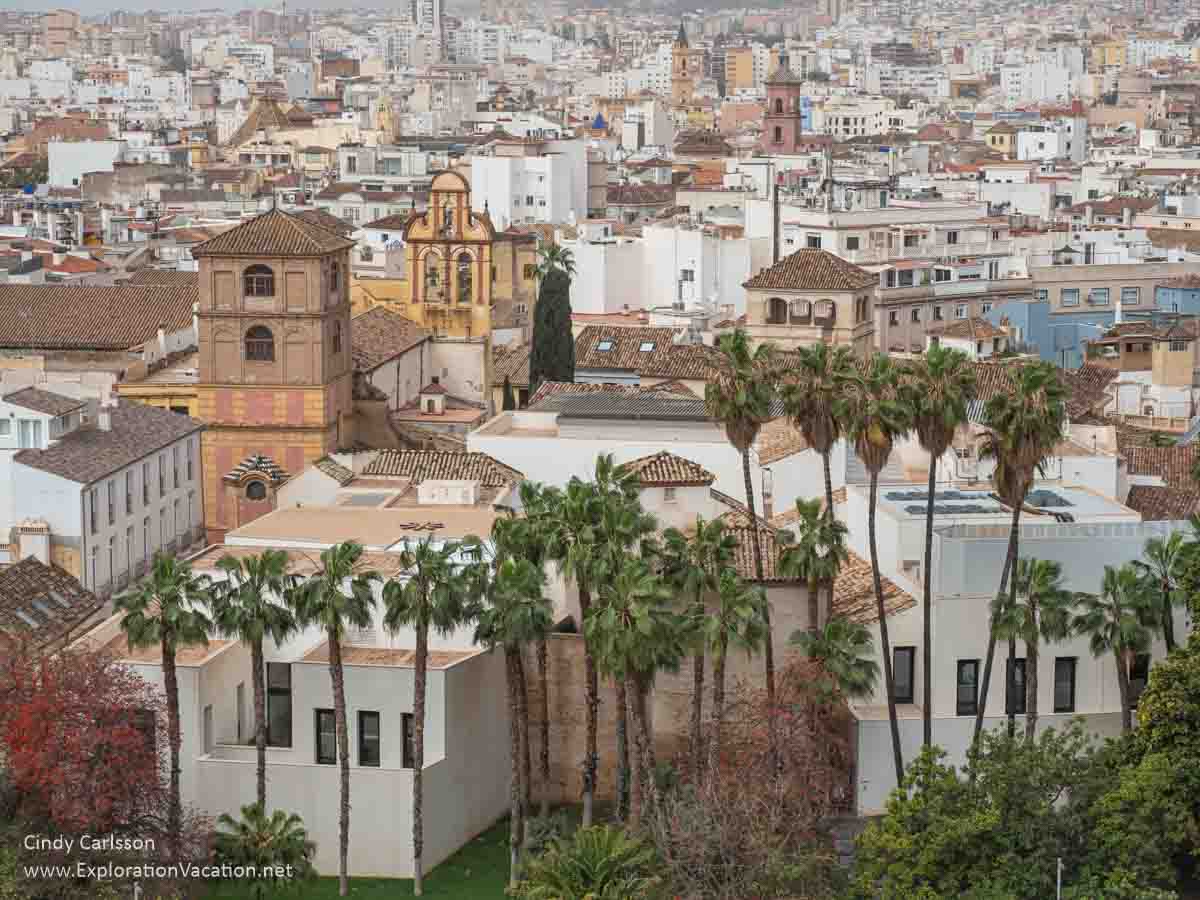
👉 Read more about visiting Málaga
What did we do in Málaga?
Museums were high on our list of things to do in Málaga, but we were surprised by the Alcazaba gardens and just generally how pleasant it was to wander about.
Málaga Alcazaba
Somewhere I read that the Alcazaba (the fortified 11th century Islamic palace) was a ruin and I’d been left with the impression that there wasn’t much to see. But then we wandered over that way, took one look at the outside from below, and bought tickets!
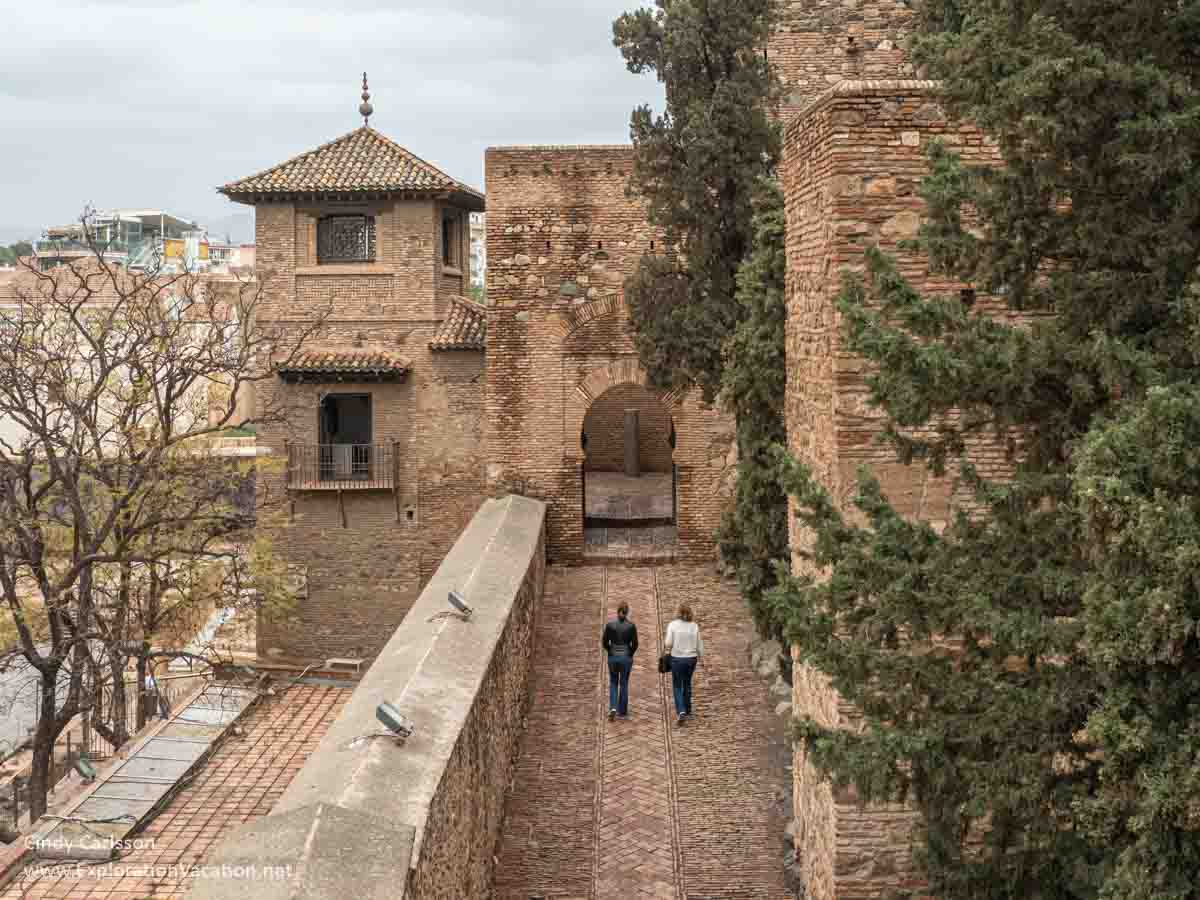
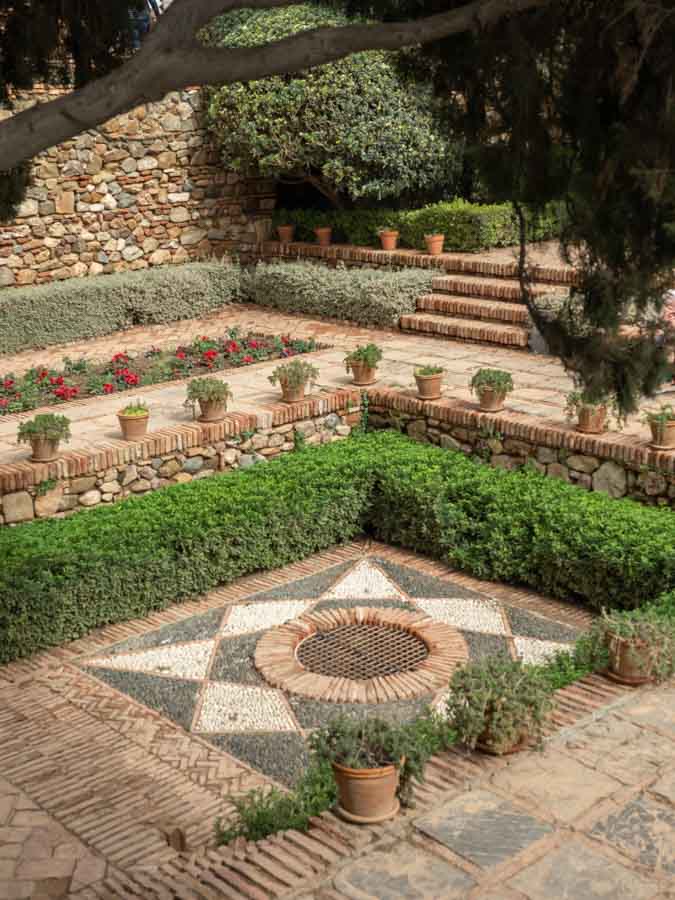
A lot of the original building is still there, although much of the intricate decoration is long gone. Still, there are a few places where you can see how incredibly beautiful it once was. And there are lots of lovely small gardens and overlooks where you can get a good view of the city.
Málaga Cathedral
Constructed between 1528 and 1782 but never finished, Málaga’s Cathedral is sometimes called La Manquita (the one-armed lady) because only one of the planned towers was actually constructed.
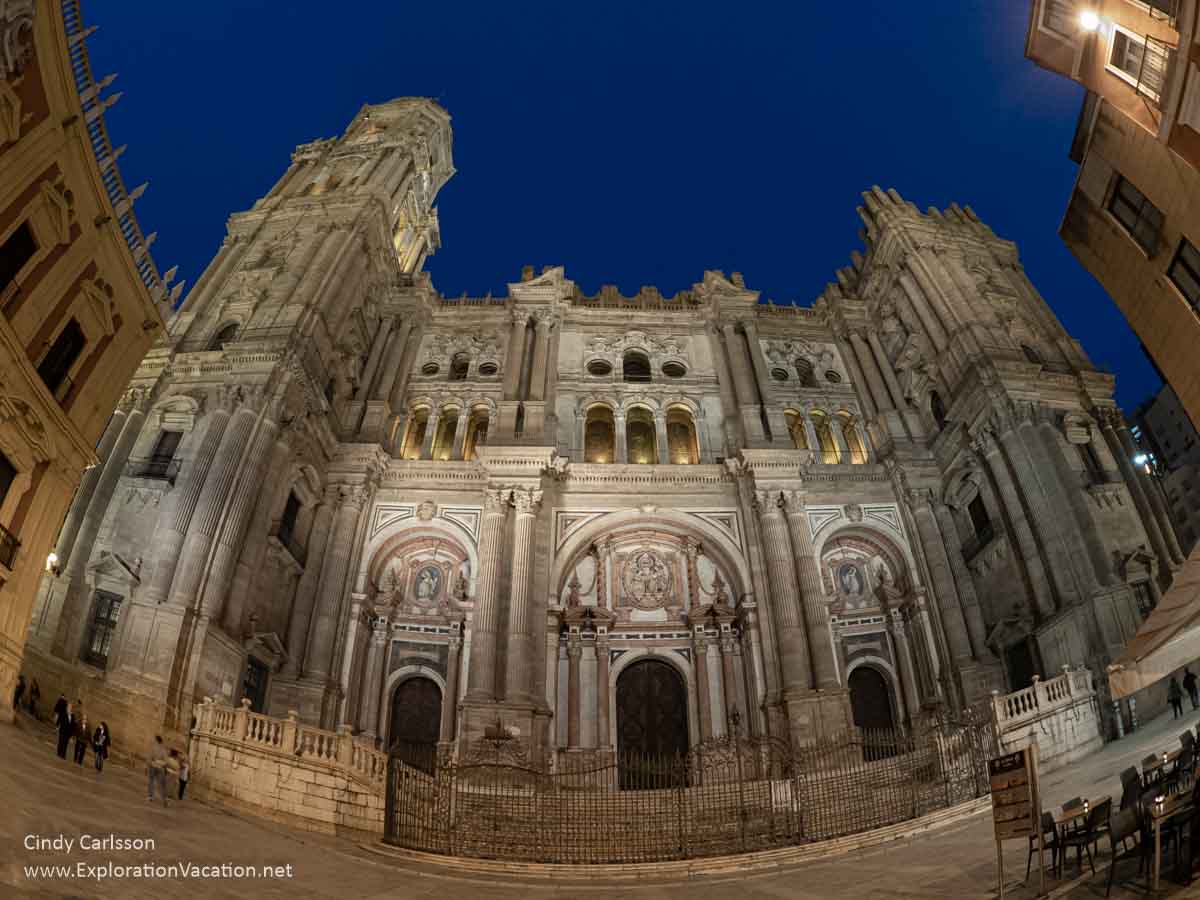
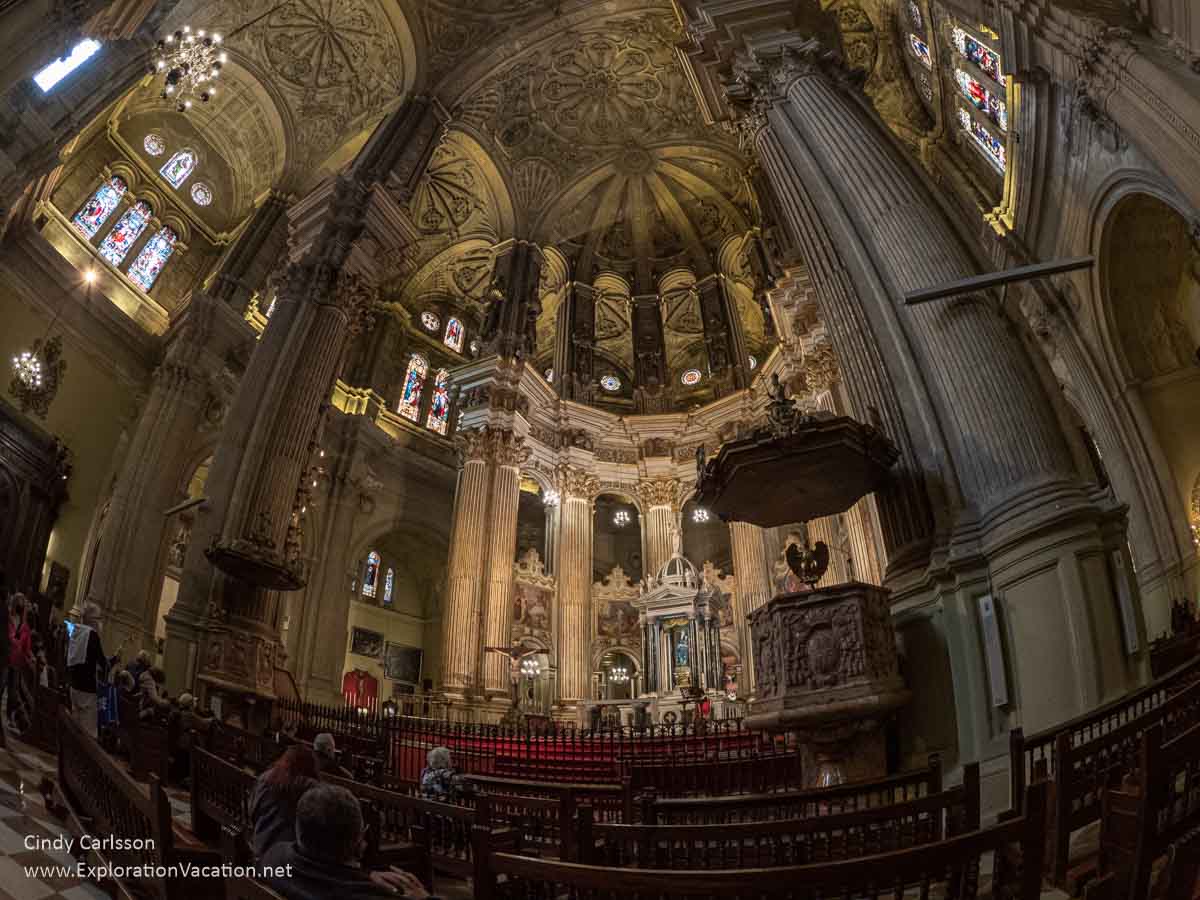
While the exterior is Baroque, the interior is mostly Renaissance with a bit of Baroque. There’s plenty of gold, but it isn’t completely dripping with it.
Picasso Museum
The Picasso Museum was near the top of our must-see list for Málaga. (Along with the Automobile and Fashion Museum which, alas, we did not get to.)
I’m not a big Picasso fan, but the man was a genius and he wanted his family to donate his work to a museum in Málaga where he was born. So, if I was going to do a Picasso museum, this seemed like the one to do. . . and there was a Brassaï photography show on at the same time, so that sweetened the deal.
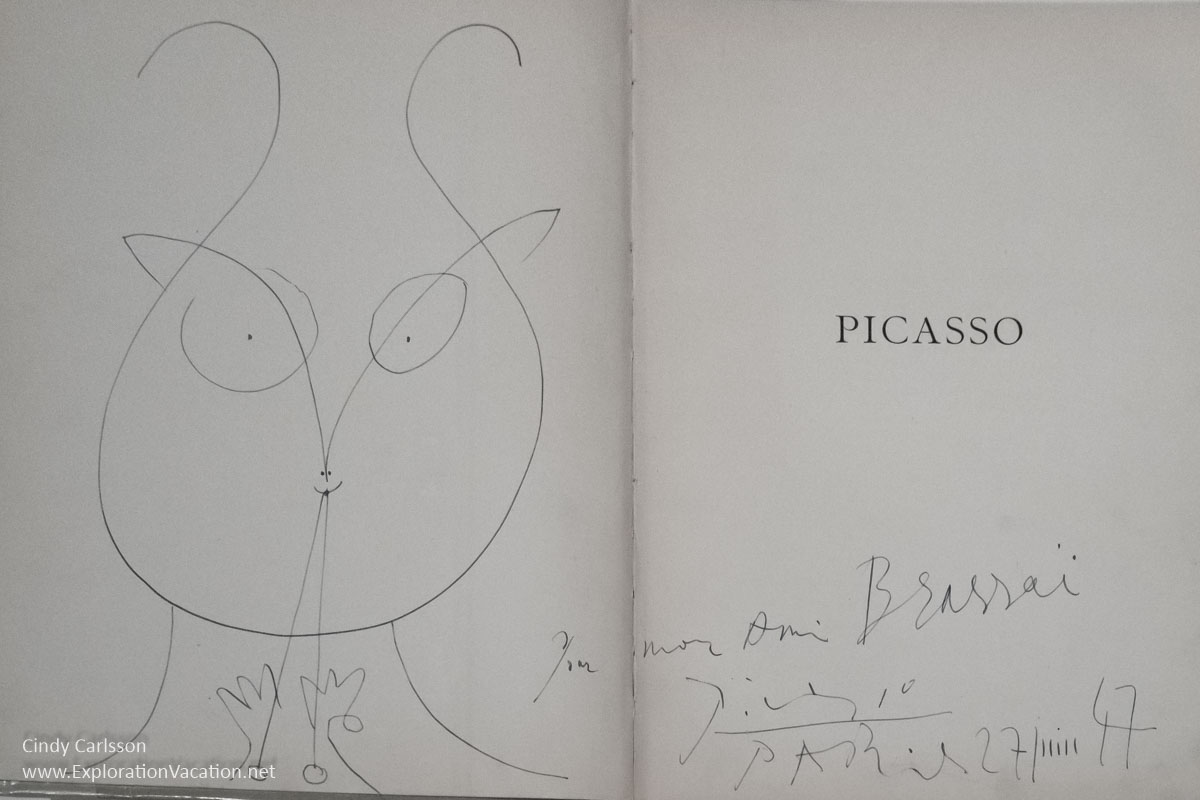
Brassaï and Picasso were friends and sometimes collaborators, so the exhibit included a lot of Brassaï photographs of Paris and mementos he and Picasso shared with each other. There were even some experimental photographs the two did.
The museum has many pieces from early in Picasso’s career. While many of these are much more traditional in style than the work that made him famous, you can see the seeds of that later work as he perfects his technique and begins pushing boundaries.
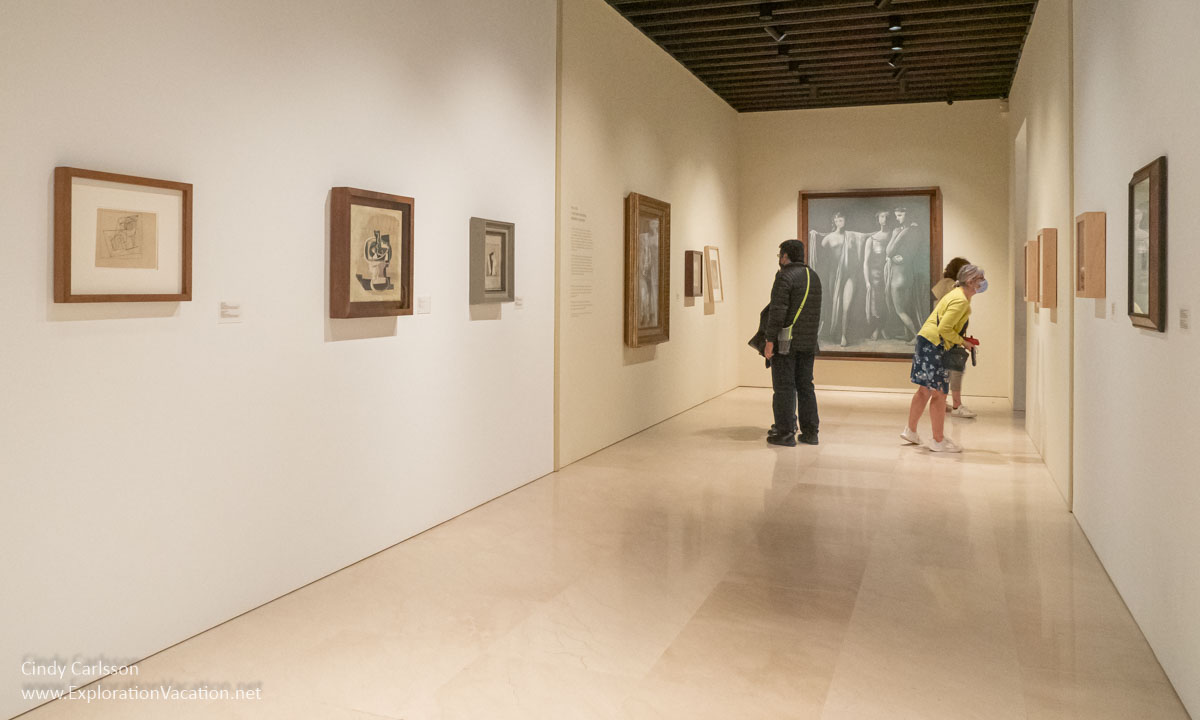
I loved the Brassaï exhibit (which ended a few days after I was there and doesn’t seem to be touring), but I would have enjoyed my visit to the museum even without it.
The Roman theater
I’m not sure if this really counts as things we saw, since we didn’t actually enter the Theatro Romano or its small museum. However, we did do a walk-by to check it out. (It’s right along the street below the Alcazaba.) We’ve seen several Roman theaters, so this small one didn’t seem worth more than a passing look. However, if you haven’t seen a Roman theater, it’s small but in good shape, so probably worth a stop.
They hold concerts and other performances here. Attending one of those would be a pretty cool.
What did we miss in Málaga
To be honest, I didn’t really expect to like Málaga or find much of interest beyond a couple of museums and the cathedral. That means we didn’t allow a lot of time to explore the city. So there were quite a number of things we didn’t get to at all – including the seaside!
Car and fashion museum
The Automobile and Fashion Museum (along with Gibraltar and the Royal Apartments in Seville) was on my must-see list. And I missed it. That was my own fault for not checking their schedule more closely.
Although it doesn’t seem to show up on a lot of lists of best things to see in Málaga, this looks like a great museum.
Castillo de Gibralfaro
I considered hiking up to the ruined castle above the Alcazaba, but it was going to be a long, hot hike and my spouse had no interest at all. I know: I’m too lazy. The views are supposed to be amazing.
The Picasso house
Picasso didn’t actually live in Málaga very long, but his childhood home here is now a museum. It’s small and the Picasso Museum here actually provided a lot of insight into Picasso’s development as an artist.
The coast
Málaga’s an important port, including a shopping and dining area called Quay 1. It also has lots of beaches and beach development, including restaurants. The closest I got was the view from the Alcazaba.
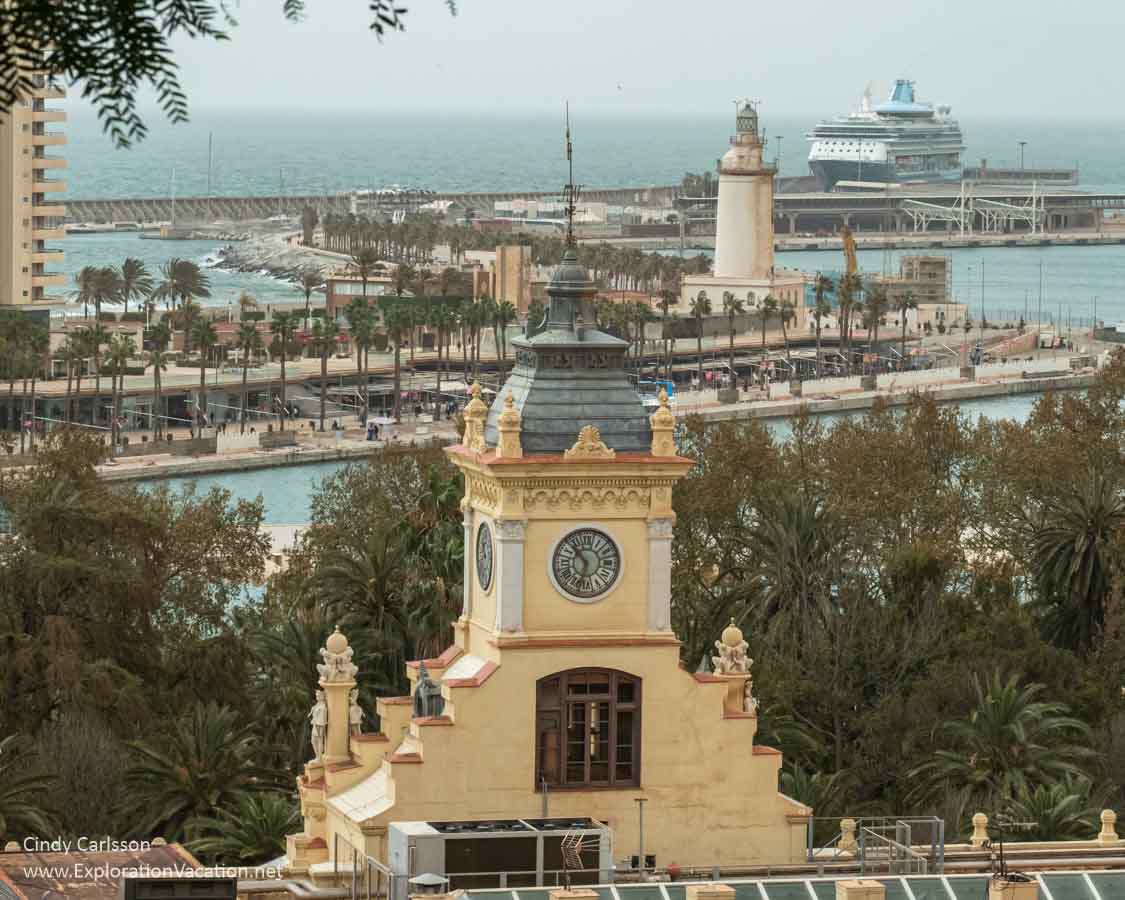
Mercado Central de Atarazanas
A huge food market in a historic building. It looks fabulous.
A bunch of art museums
It’s not that I don’t like art, but there were so many other things to see. And we finally had beautiful weather, so who wants to be inside?! Here’s what I missed:
Museo Carmen Thyssen: The museum focuses on 19th century Spanish painting. I should have fit this in, as I know absolutely nothing about Spanish art of this period.
The Pompidou Center: Modern art isn’t really my thing, although I always find something cool. (I’ve never ventured into the Pompidou Center in Paris either.)
Centro de Arte Contemporáeo: The Contemporary Art Museum is another one that I assumed wouldn’t interest me because of its contemporary focus. But I can see from the website there are plenty of things I would have liked. It’s been getting a thorough redo and is not expected to reopen until sometime in 2026.
Museo del Vidrio y Cristal: With a collection that includes 3,000 pieces of glass, as well as furnishings and art displayed in a restored 18th century house, I might have made it to the Museum of Glass and Crystal Museum had I known about it. It seems to be almost as much a decorative arts museum as a glass museum.
Museo del Vino
Somehow, I also missed the fact that Málaga has a wine museum. And the inexpensive entrance ticket includes a taste of two wines. Dang.
Where did we stay in Málaga?
We used Airbnb in Málaga, staying at a unit just outside the pretty part of the historic core. It was a beautiful unit owned by a woman who also owns a nearby hostel and coffee shop
What would we do differently?
With better planning we could have gotten to all of my must-see activities. But Málaga was worth at least one more day. It would be a good place to do a joint vacation with someone like my sun-loving cousins who wants more beach time while we want more culture.
And I’ll always check site opening hours on the official website, instead of relying on guidebooks or Google. We didn’t get to the Automobile and Fashion Museum because they were closed for a special event the day we planned to visit. We could have fit it in earlier, but I didn’t look at the website to discover the change in hours until too late.
👉 Read less
Antequera Dolmens UNESCO site (along the way)
The Antequera Dolmens UNESCO World Heritage site is sort of an odd mix: Three megalithic monuments and two natural monuments. I got to two of the three megalithic sites and one of the natural sites. (You can read my story about the Antequera Dolmens and El Torcal de Antequera World Heritage Site on World Heritage Sites.)
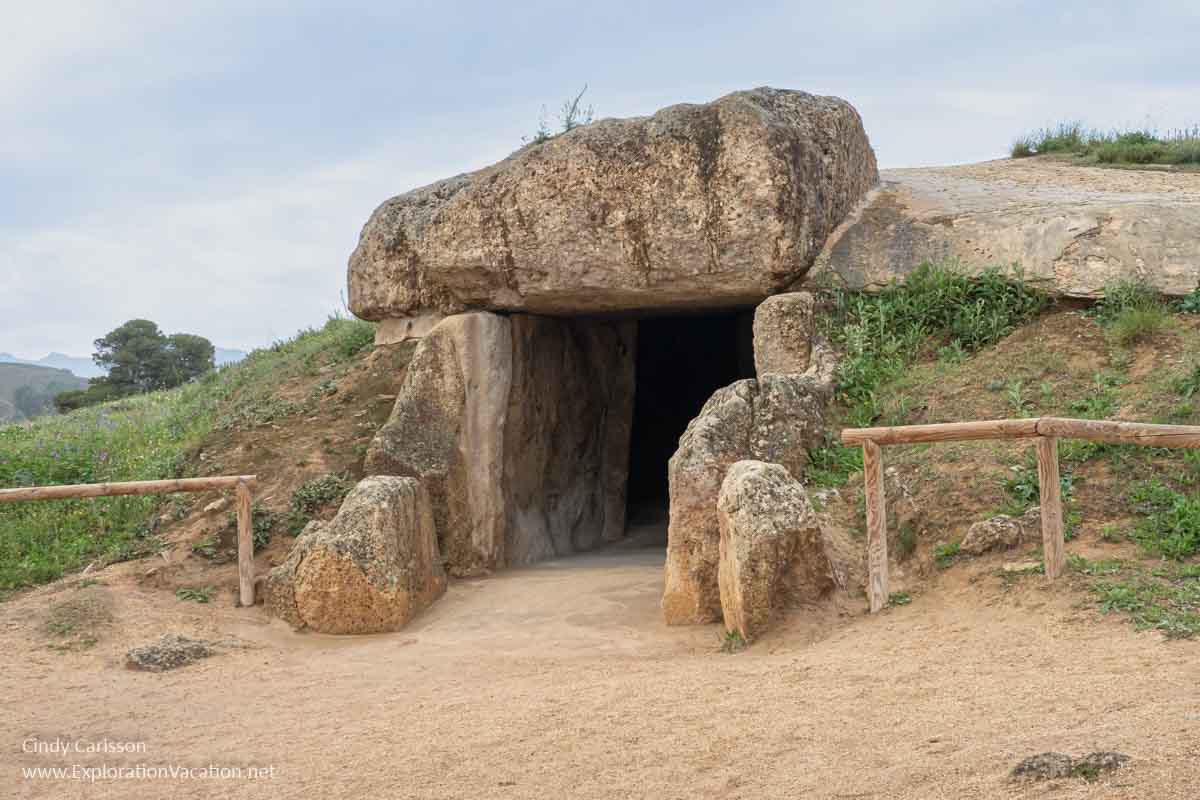
👉 Read more about visiting the Antequera Dolmens UNESCO World Heritage site
The Antequera Dolmens
I’ve seen dolmens of various types and sizes before, but very few that are large enough to enter. You can enter both the Menga and Viera dolmens, which emphasizes how large they are and how much effort it took to construct them.
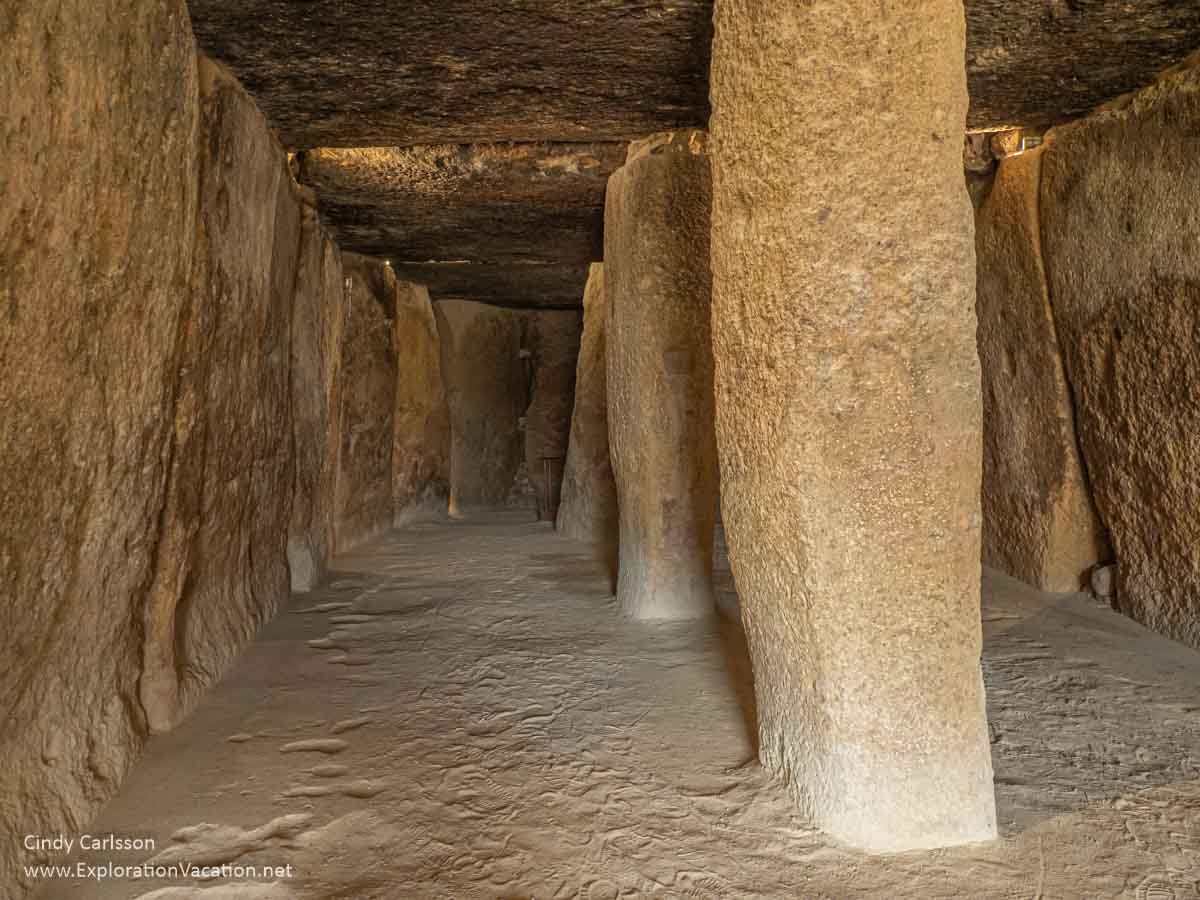
Both dolmens and nearby El Romeral (which is constructed very differently) were built during the Neolithic and Bronze ages (before 1200 BC).
While they are the largest structures of their type in Spain, they are far from the only ones from this period.
El Torcal de Antequera
El Torcal Natural Area is noted for its limestone formations and, particularly, for its “stacked” rock. As a fan of odd geological phenomena, I’ve traveled all over the world looking at weird rock – and El Torcal did not disappoint.
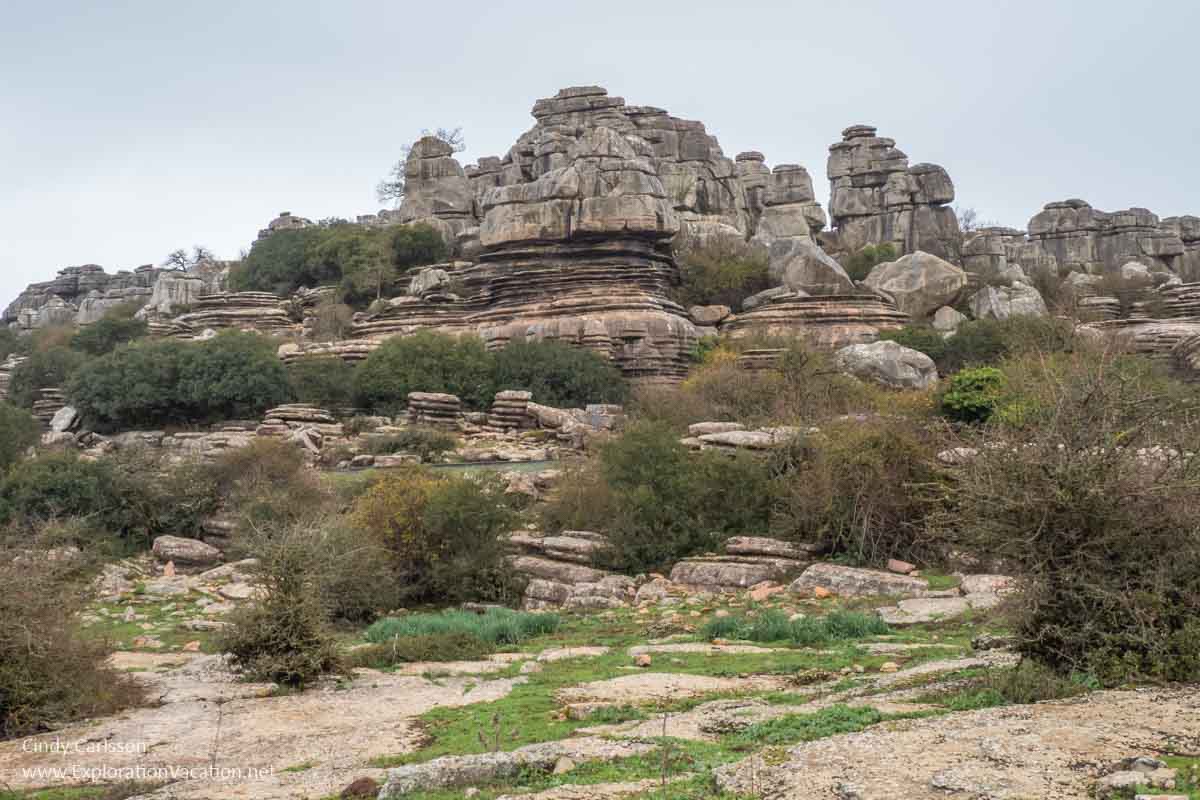
While the rock formations didn’t disappoint, the weather and trail conditions were rather abysmal. That means we didn’t explore this park very thoroughly. Which is too bad, because it’s a really interesting place.
What did we miss at the Antequera Dolmens and El Torcal
Do to poor advance planning and a lack of maps at the Antequera Dolmens visitor center, I wasn’t exactly sure where El Romeral was located. (None of the parks in Spain had maps “because of COVID,” although I’m not sure how picking up a paper map from a counter or bin spreads COVID.) It’s only a bit more than a mile from the visitor center, so we should have tried harder to find it.
We didn’t spend any time exploring the town of Antequera either. It looks like a pleasant city with a few sites of minor interest.
At just under a mile, the Green Trail loops through a variety of the El Torcal’s features. This was the trail we intended to take, but we were confronted with a mud pond and slippery rock before we really got going. Had the weather been lovely, we probably would have taken the longer Yellow Trail and spent most of our morning exploring. It’s a park I would love to visit again.
What would we do differently?
These two sites deserve at least a full day, with the bulk of it spend in El Torcal. We made this area a stop along the way to Granada, and that didn’t give us enough time.
We’d also wanted to visit a nearby laguna and a waterfall. Both got scratched due to lack of time.
👉 Read less
Granada (4 nights)
Granada is an amazing place to wander, as the street scene varies dramatically from one part of the city to another and there is always something interesting to see. And, on a clear day, the city’s setting is absolutely stunning.
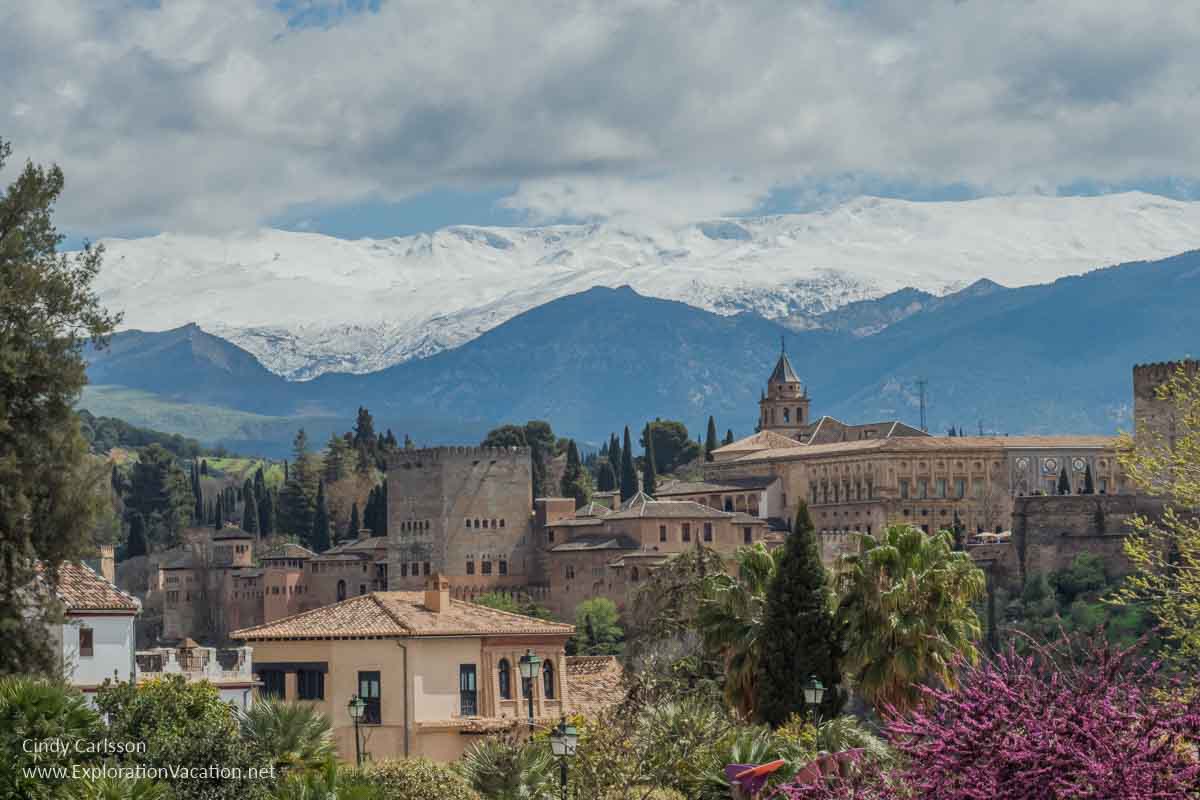
👉 Read more about visiting Granada
What did we do in Granada?
The Alhambra
The Alhambra, the Moorish complex of palaces, fortresses, and gardens that sits above the city, is Granada’s most famous site. And rightly so, as it has some of the most beautiful old Islamic architecture found anywhere in the world. Indeed, it was so beautiful that Spain’s Christian rulers made it their own royal residence.
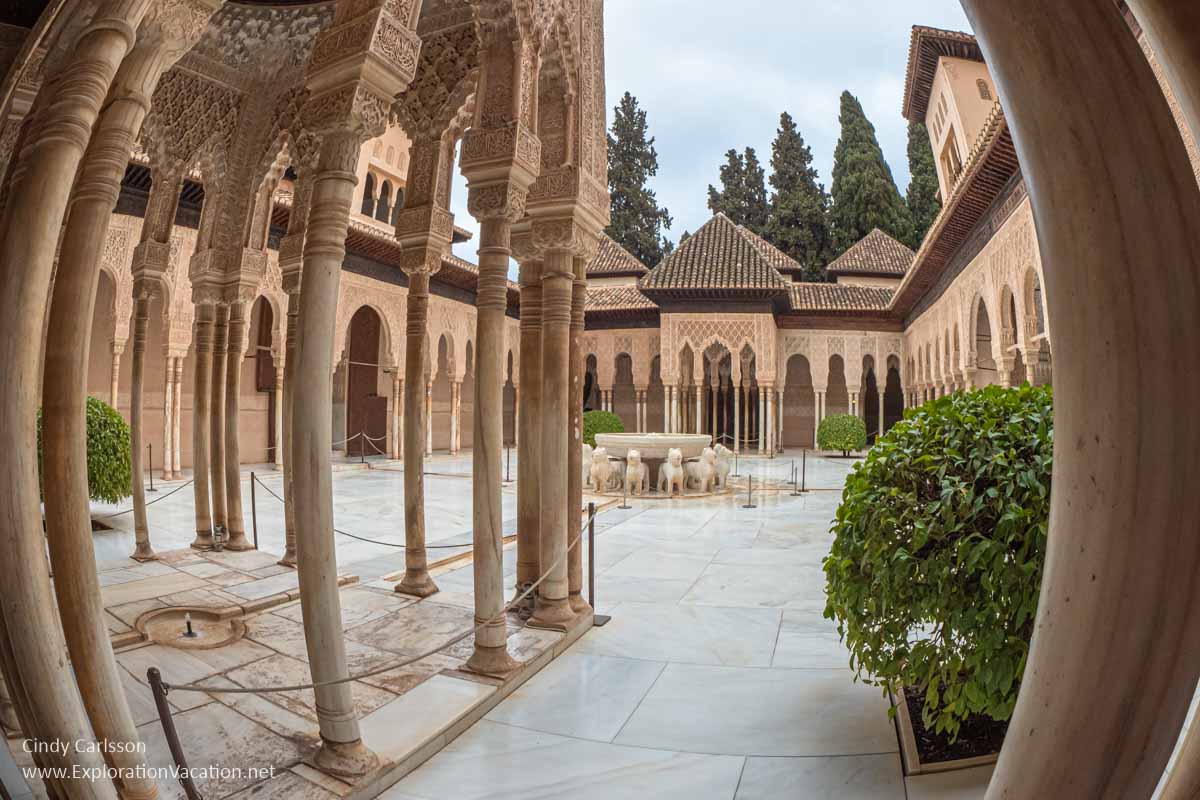
Not just a palace, the Alhambra was once a royal city within the larger city, complete with palaces, administrative buildings, agricultural areas, and housing for workers. Like the Alcazar Real in Seville, what remains today are largely the palaces (most with spectacular interiors) and gardens Spain’s Christian rulers retained and used themselves. And those palaces and gardens are spectacular.
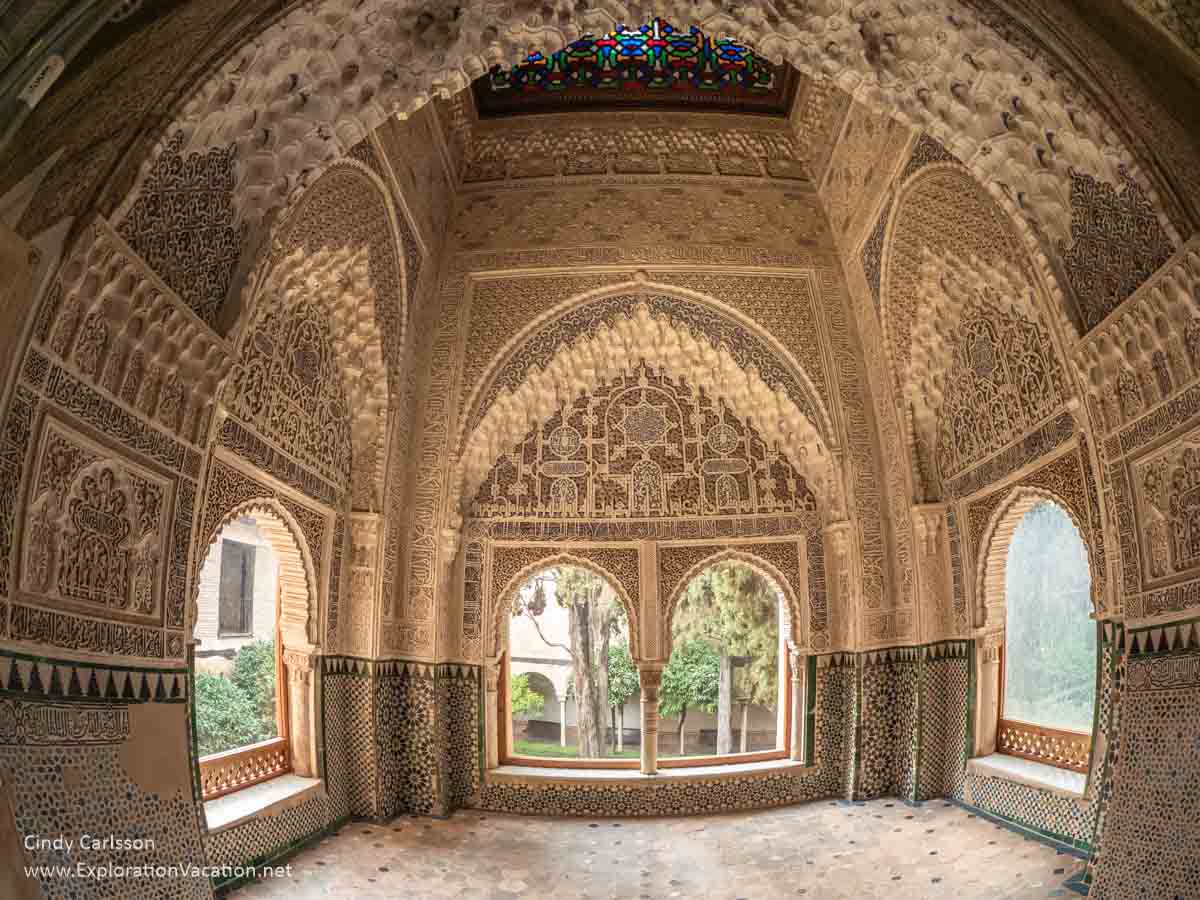
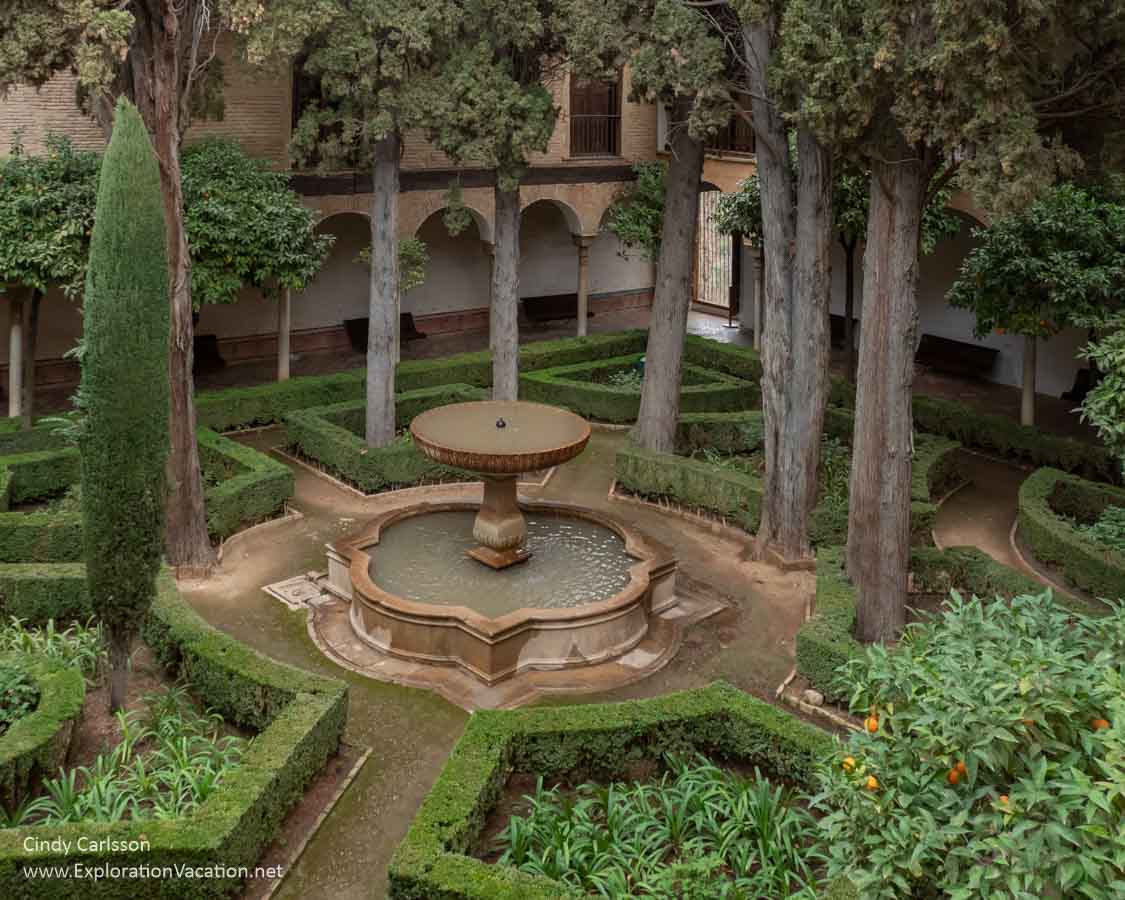
It’s absolutely gorgeous – even in the rain.
And, if that isn’t quite enough, there are two notable museums on the site: The Mueso de Bellas Artes (the city’s fine arts museum) and the Alhambra Museum.
We spent our time in the Alhambra Museum, which is fabulous and should be on every visitor’s itinerary. It has a small, but stunning (and beautifully displayed), collection of Islamic art and architectural elements. Sadly, photography isn’t allowed inside the museum. But trust me, it is totally worth a half hour or hour of your time no matter how little time you have.
Granada Cathedral
The Cathedral of Granada (the Cathedral of the Incarnation) is a rather odd-looking (but apparently brilliantly designed) Renaissance church with a few Gothic elements.
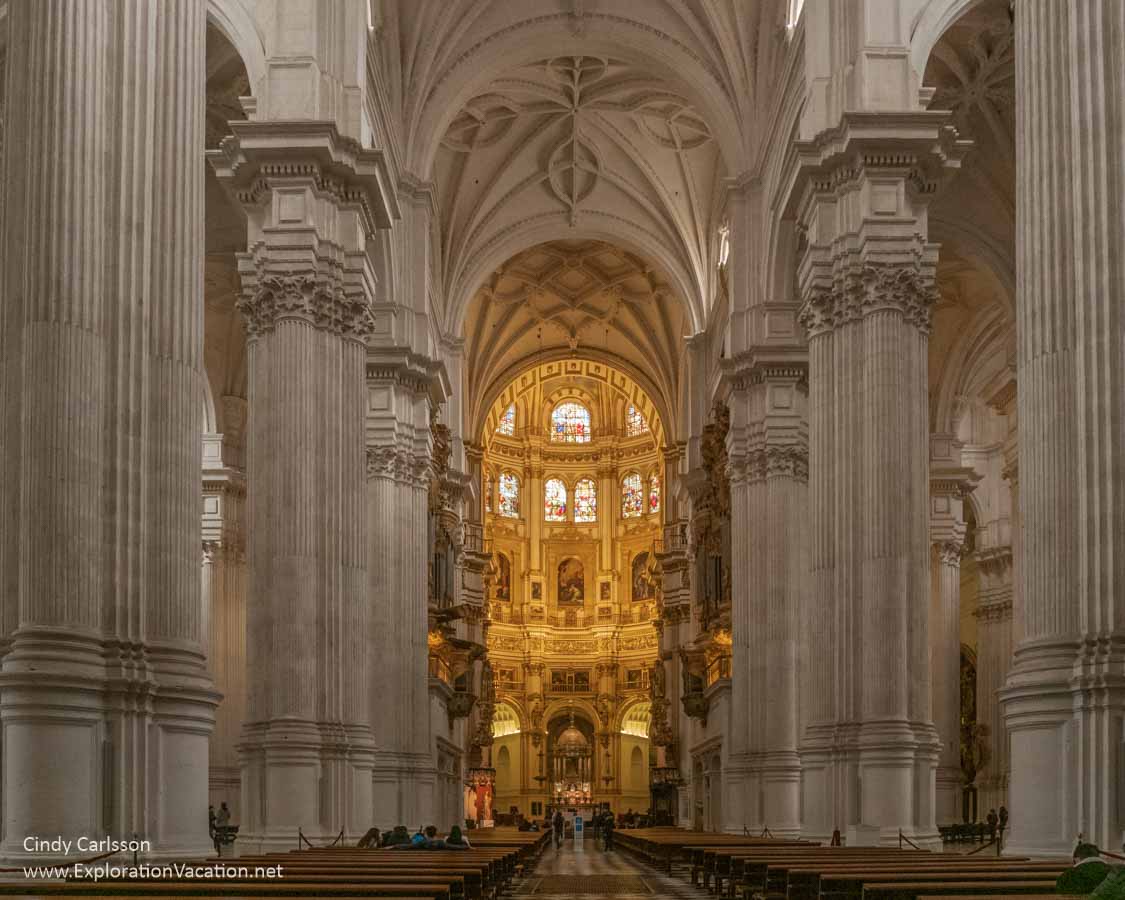
The Royal Chapel
The Royal Chapel is next to, but separate from, Granada’s Cathedral. It’s an elegant space built in 1517 to house the tombs of Ferdinand and Isabella. (Sadly, photos are not allowed inside.)
Arab Baths (Bañuelo)
The Hammam al-Yawza (Bath of the Nogal or the Bañuelo for its small size) dates back to the 11th or 12th century. It’s the best preserved of the 20-some Arab hammams that once existed in Granada. It has a series of rooms, with star-shaped skylights in what was once the main (warm) room.
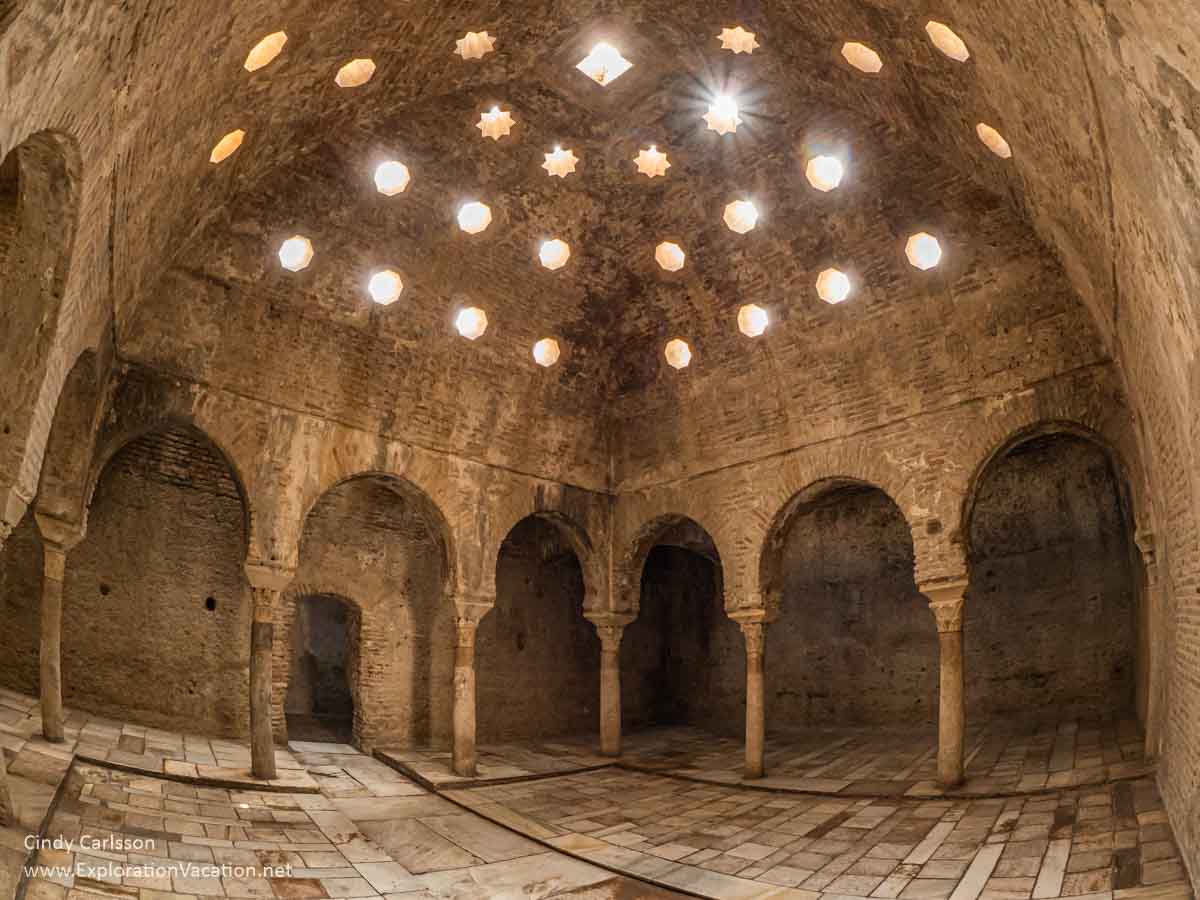
The Madraza and Palace of Dar al-Horra
Although the Alhambra is by far the most impressive Arab structure left in Granada, there are other spots around the city where bits of Islamic architecture remain.
One of these is inside the Palacio de la Madraza where a gorgeous mihrab is all that remains of the Islamic School of Koranic Law.
Another is the Palace of Dar al-Horra, a 15th century Islamic palace that retains some original features.
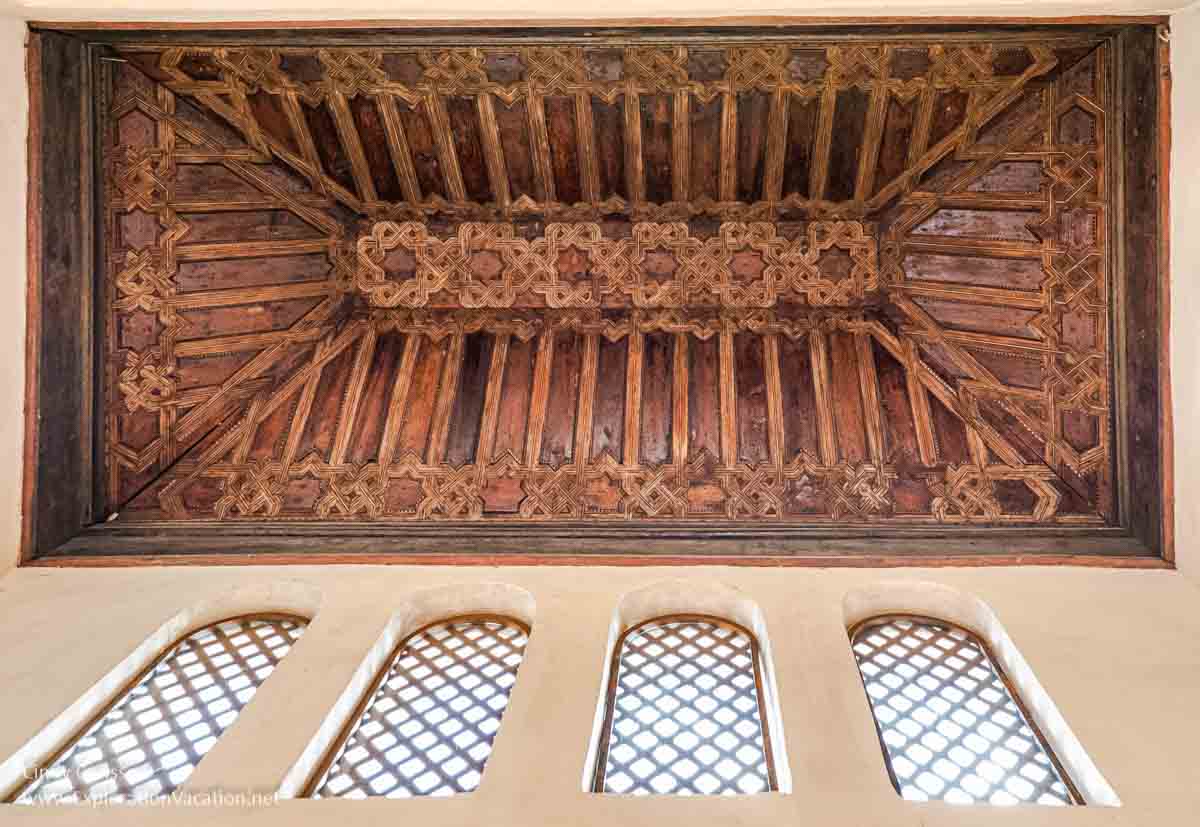
La Alcaicería
The Alcaicería is the (rebuilt) 15th century market where silk, spices, and other valuables were sold. Today the market and surrounding streets house Granada’s bazaar.
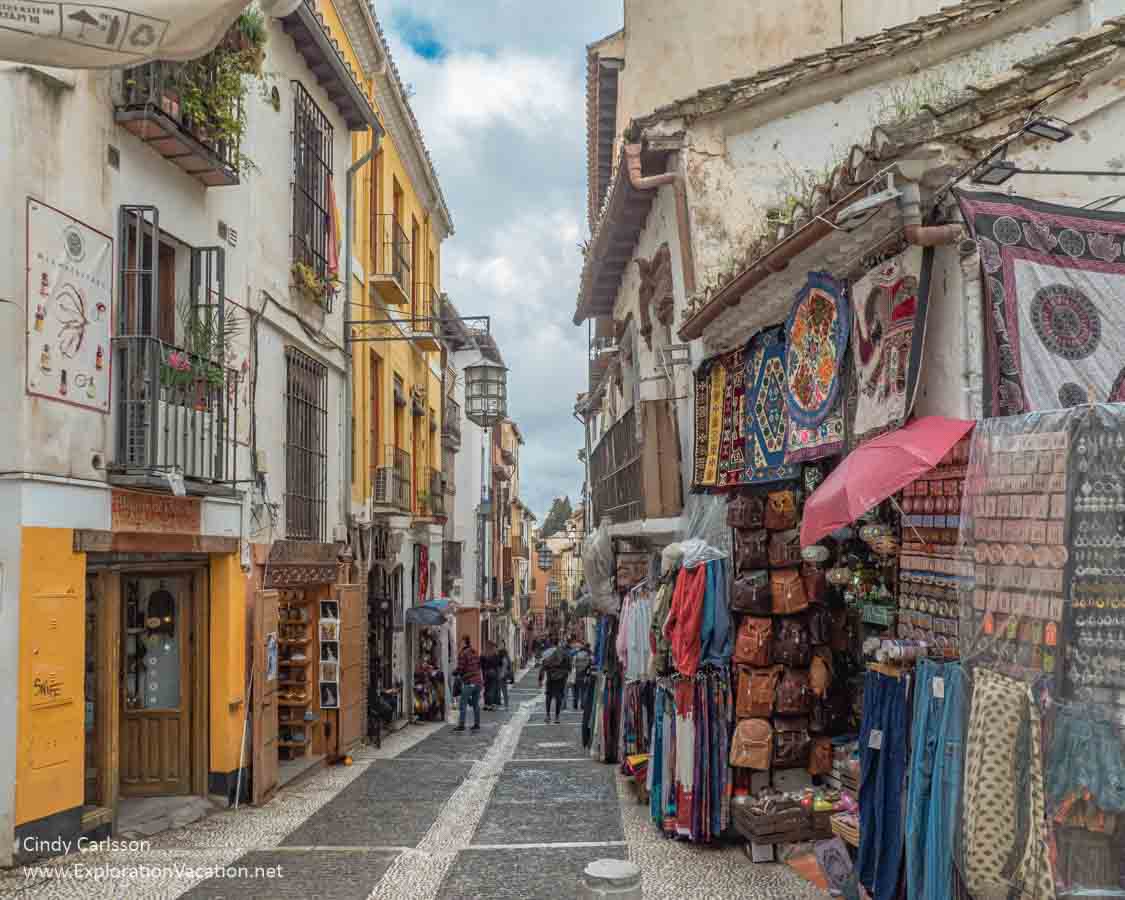
This area is very touristy and the market hall (which was cheaply rebuilt in Moorish style after it was destroyed by fire in 1843) has lots of Arab crafts and such for sale. But the street outside the market (the pedestrianized Calderia Vieja, which leads into the Albacín) can make you feel as if you had suddenly stumbled into a touristy souk somewhere in Morocco. You’ll hear lots of Moroccan Arabic and, if in need of a pair of babouche (traditional Moroccan shoes) or hungry for Moroccan food, you’ll find plenty of options.
Albaicín
The Albaicín (Albayzín) neighborhood is a medieval Moorish area with many historic buildings and narrow winding streets. It’s an interesting place to wander.
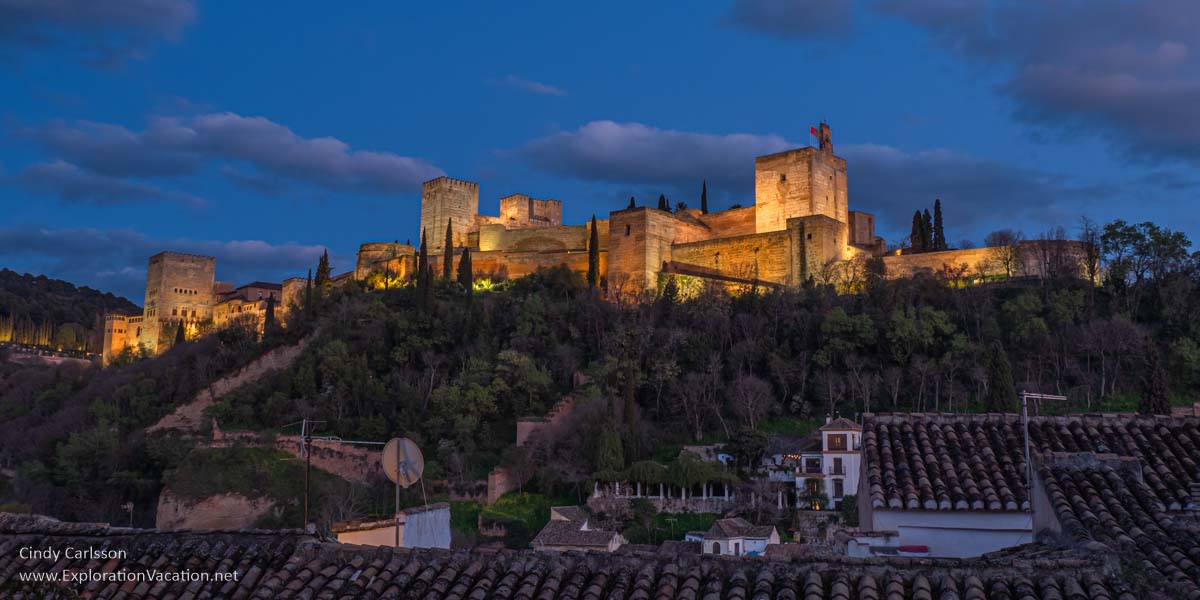
It also has some of the city’s best views of the Alhambra.
What did we miss in Granada
We had lots of rain in Granada, which made walking more of a challenge. That means we saw most of the tourist highlights, but there are a lot of areas that are perfect for wandering that we missed.
Sacromonte
Sacromonte in the hills above the city is an old Romani neighborhood where many homes and businesses are built in spaces carved out of the hillside. It’s still home to a large Roma community and it is the place to go for flamenco. It looks like a fascinating, culturally rich area that also offers great views of the city.
Although you’ll still see “Gypsy” used to describe a Roma person, this is generally considered a derogatory racist term. Don’t use it.
More religious buildings
Like most Spanish cities, Granada has a variety of Catholic churches and monasteries besides the cathedral.
I visited the Iglesia de San Gregorio Bético, where a small group of cloistered nuns take turns praying 24 hours a day. (They all gather together to pray at noon, filling the small church with an atonal chant.)
Notable examples that I didn’t get to include the Mudejar-style Santa Ana Church (closed for Easter preparations when I was in the city), Monasterio de la Cartuja (Cartuja Monastery), the Basilica de San Juan de Dios (Basilica of Saint John of God), Renaissance Real Monasterio de San Jerónimo (Royal Monastery of Saint Jerome), and the Sacromonte Abbey.
Where did we eat in Granada?
Our favorite place to eat in Granada was Rosario Varela (affiliate link), a neighborhood spot right around the corner from our Airbnb. Great tapas in a cool place.
Where did we stay in Granada?
We used Airbnb in Granada, staying in a stunning apartment in the Realejo-San Matias neighborhood. This was an interesting area and an easy walk to much of the rest of the city.
What would we do differently?
With better weather we would have done more walking, including walking down from the Alhambra and exploring more of the Albacín. And I really wish Santa Ana Church had been open.
Granada travel tip
You can park your car near the Alhambra and use the bus to get to and from the heart of the city. Note that you MUST leave the city entirely to drive to the Alhambra once you are in the city, so take the bus once you have settled into your lodging.
Of course, there are also expensive parking garages located throughout the city, but Granada’s street system is VERY convoluted if you are driving a private vehicle. The most direct routes into and through the heart of the city are generally reserved for buses and taxis. Street parking is also limited and often reserved for commercial vehicles and those with resident permits.
We were able to unload luggage and camera gear right at our Airbnb and then park in a garage a few blocks away. But if you travel lighter than we do, consider parking in a long-term lot by the Alhambra and then use the bus or taxis to get to/from your lodging.
👉 Read less
Baeza and Úbeda (2 nights)
The small Andalusian cities of Baeza and Úbeda are part of a single UNESCO World Heritage site as prime examples of the Italian Renaissance’s influence on Spanish architecture. Influences that were modified in Spain to include a few Moorish elements and then transported to Spanish cities in the Americas.
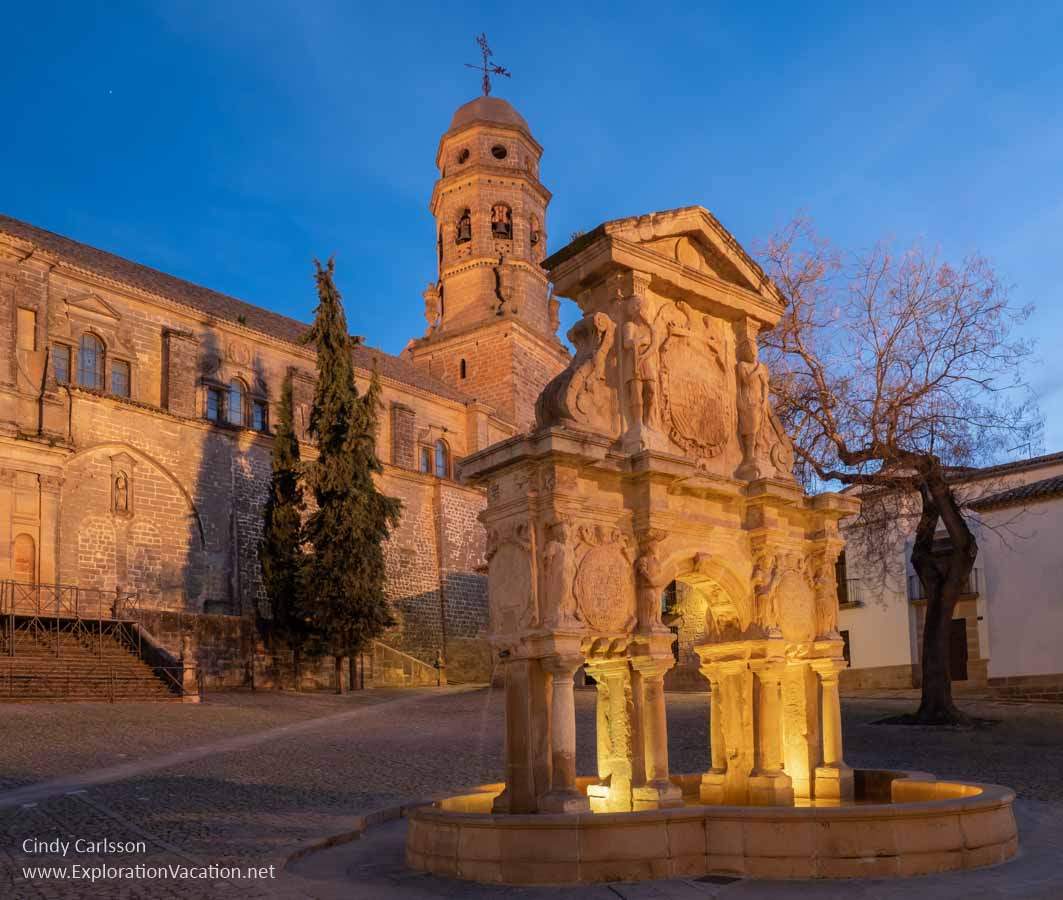
Despite the fact that both cities are recognized primarily for their 16th century architectural monuments (churches, palaces, etc. constructed or reconstructed after a particularly devastating earthquake), the two cities are quite different.
👉 Read more about visiting Baeza and Úbeda
Baeza
Baeza became an important Catholic center during the Renaissance, so its most notable buildings from this time are the old cathedral with its seminary and university. But the area around these buildings retains a medieval street layout. And evidence of the city’s Roman and Moorish past is also easy to spot while wandering through this area.
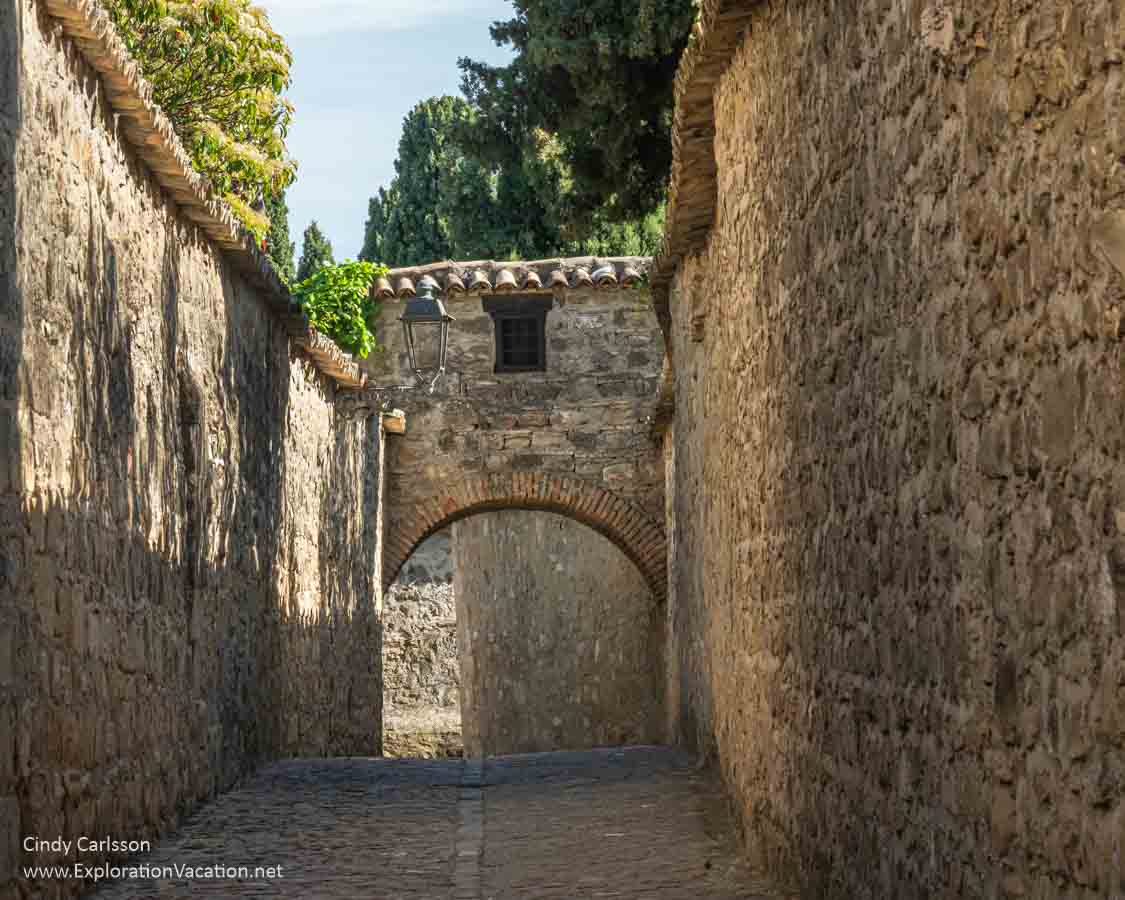
The city also has a great location atop a bluff with views over the landscape and of Úbeda a few miles away.
What did we do in Baeza?
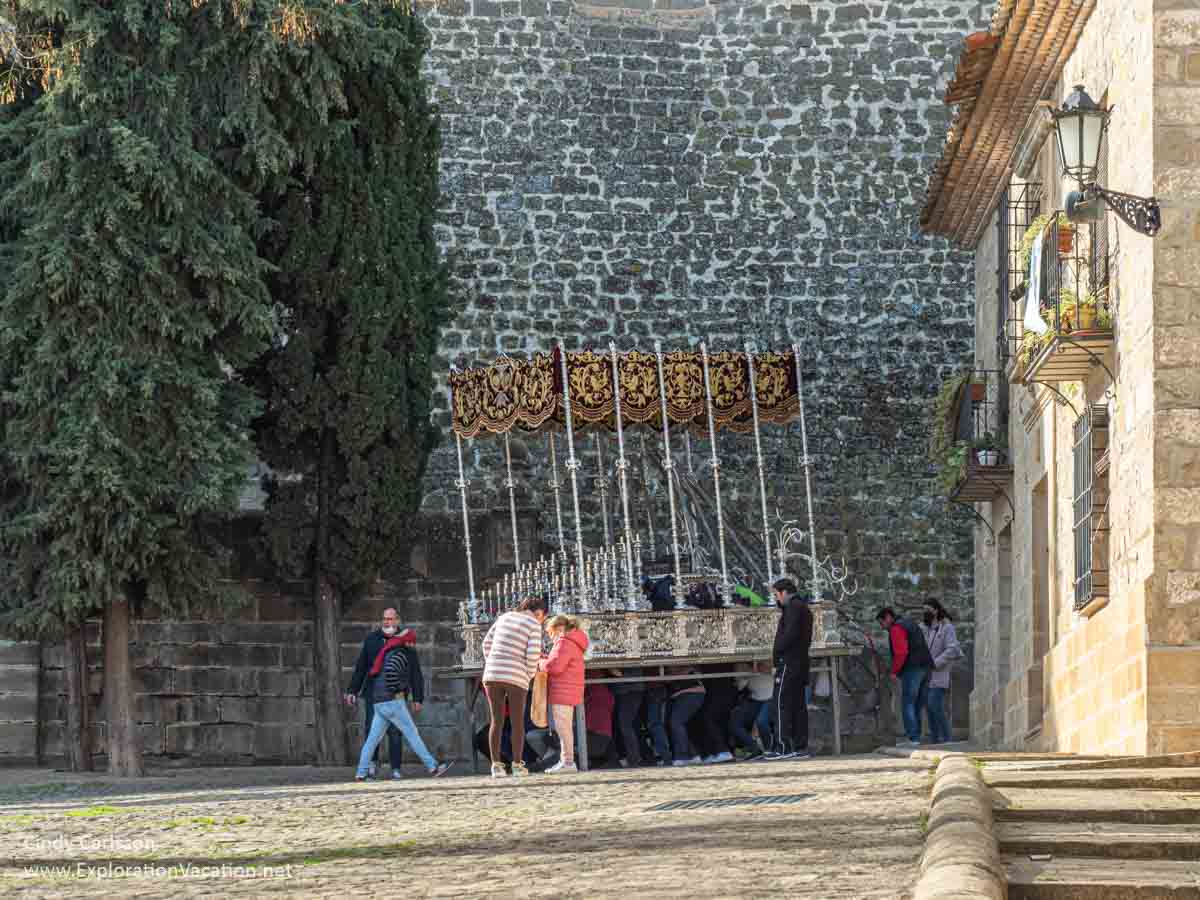
Mostly we just wandered. There were lots of interesting buildings, but many were still closed due to COVID and many churches were closed because they were getting ready for Easter — although we did get to watch practice runs in the streets around town as everyone got ready for Easter celebrations.
Baeza cathedral
Baeza’s Cathedral of the Assumption of the Virgin is actually a former cathedral. However, it was built as a cathedral and seems to retain that title even though it no longer functions as one. (The cathedral has been in Jaén for many centuries now.) Although Renaissance features dominate today, the church retains Gothic and even a few Moorish elements.
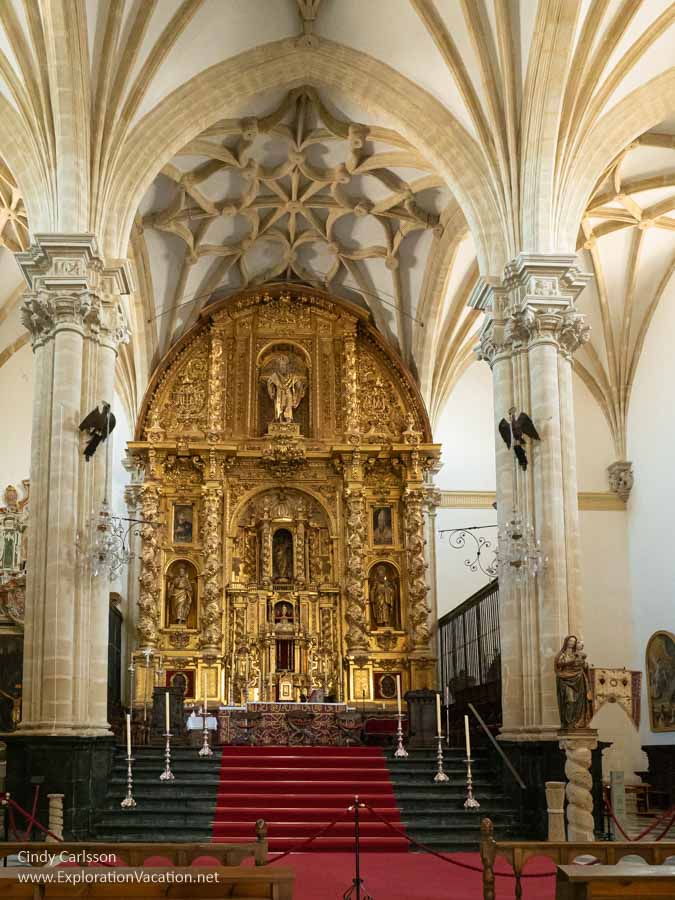
Because the church was once an important Catholic Cathedral, its small museum holds some particularly fine pieces. These include beautifully illuminated choir books and vestments, along with the usual gold and silver religious pieces.
Where did we eat in Baeza?
We loved the Taberna Casa Andrés (affiliate link). It has amazing food and great service.
What did we miss in Baeza?
We spent almost all our time in the oldest part of town, and we didn’t see everything there. A few got missed amid the winding streets. However, many buildings, including some churches, were closed due to COVID, Easter preparations, or the weekend.
Things we would have liked to have seen include the inside of the 15th century Jabalquinto Palace. (It’s part of the University of Andalucía and was not open to the public.)
Across the square, a peek inside the Iglesia de Santa Cruz (the Church of the Holy Cross) from across the plaza made me want to see the interior. However, it seemed to be open only for those preparing for upcoming Easter processions.
And I seem to have completely missed both the ruins of the Convento de San Francisco and the Plaza del Pópulo or Plaza de los Leones.
(Baeza Tourism has links to the city’s monuments and museums.)
Nor did we spend time in the central city, although a quick walk through a portion of it indicated that it too was well worth a visit.
What would we do differently?
I was super slow to realize how big Baeza is and how much historic architecture (of many eras) could be found throughout the city. Besides the really ancient area that’s part of the UNESCO designation, the city’s inviting commercial core has more recent – but still historic – buildings.
We spent about one full day (spread over two days) exploring the town, but one more day would have been better. And maybe not at Easter, although watching Semana Santa preparations and parade practice was interesting.
Úbeda
The other half of the Úbeda and Baeza World Heritage site is located on a nearby hill top. During the 16th century a number of families from Úbeda rose to important administrative positions under the Spanish monarchy. The wealth these positions brought allowed them to live in grand palaces and support the construction of a variety of other mounments.
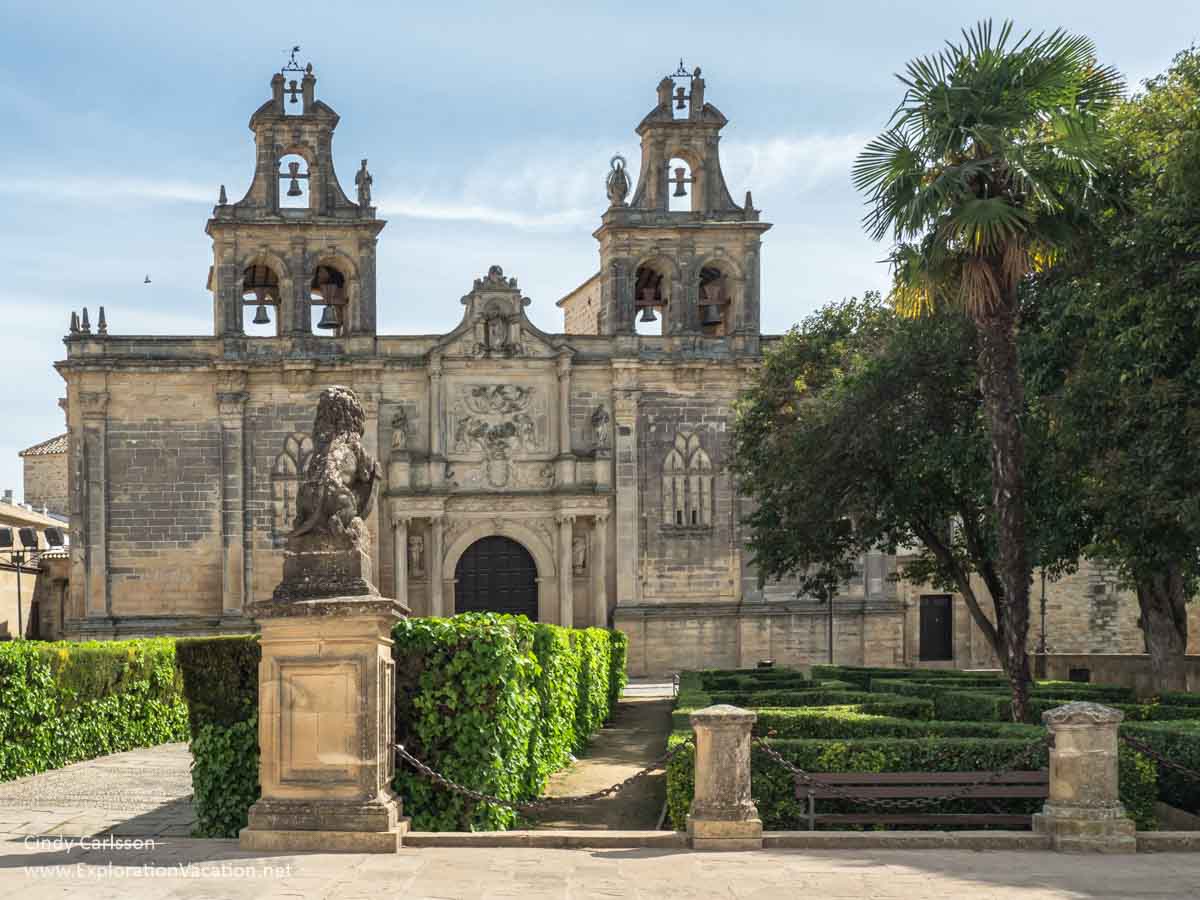
What did we do in Úbeda?
Úbeda ended up being a Sunday afternoon visit for us. Unfortunately, almost everything was closed, so we only got a taste of what is here. But this is a magical city where it’s easy to think you’ve stepped through a portal to the Renaissance. It’s worth a visit even if all you can do is wander the streets and admire the architecture from the exterior.
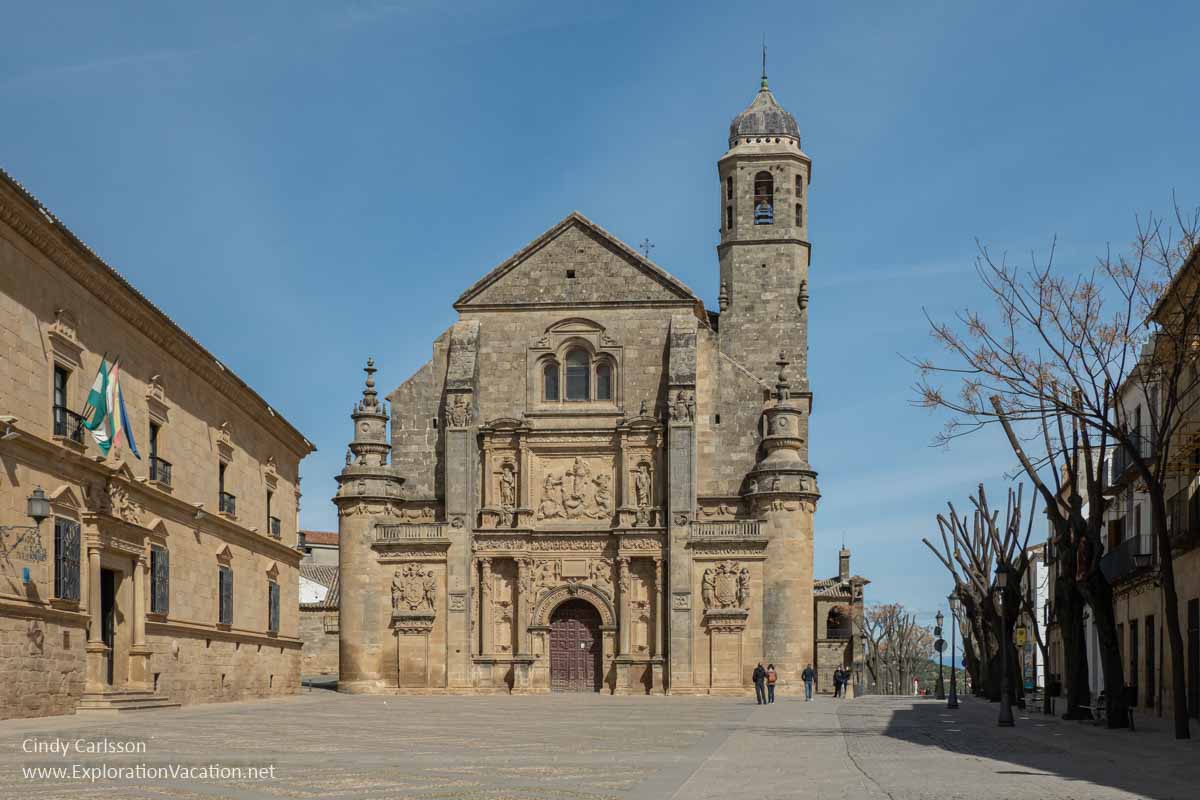
Unlike Baeza, Úbeda’s Renaissance buildings include palaces and other grand residences, which operate today as public buildings (City Hall), hotels, museums, etc.
The Sacred Chapel of the Savior
Despite what I saw online and in guidebooks, the Sacra Capilla de El Salvador (the Sacred Chapel of the Savior, pictured above and below) was about the only thing open when I visited Úbeda. But if you can only visit one building in Úbeda, this is a good choice!
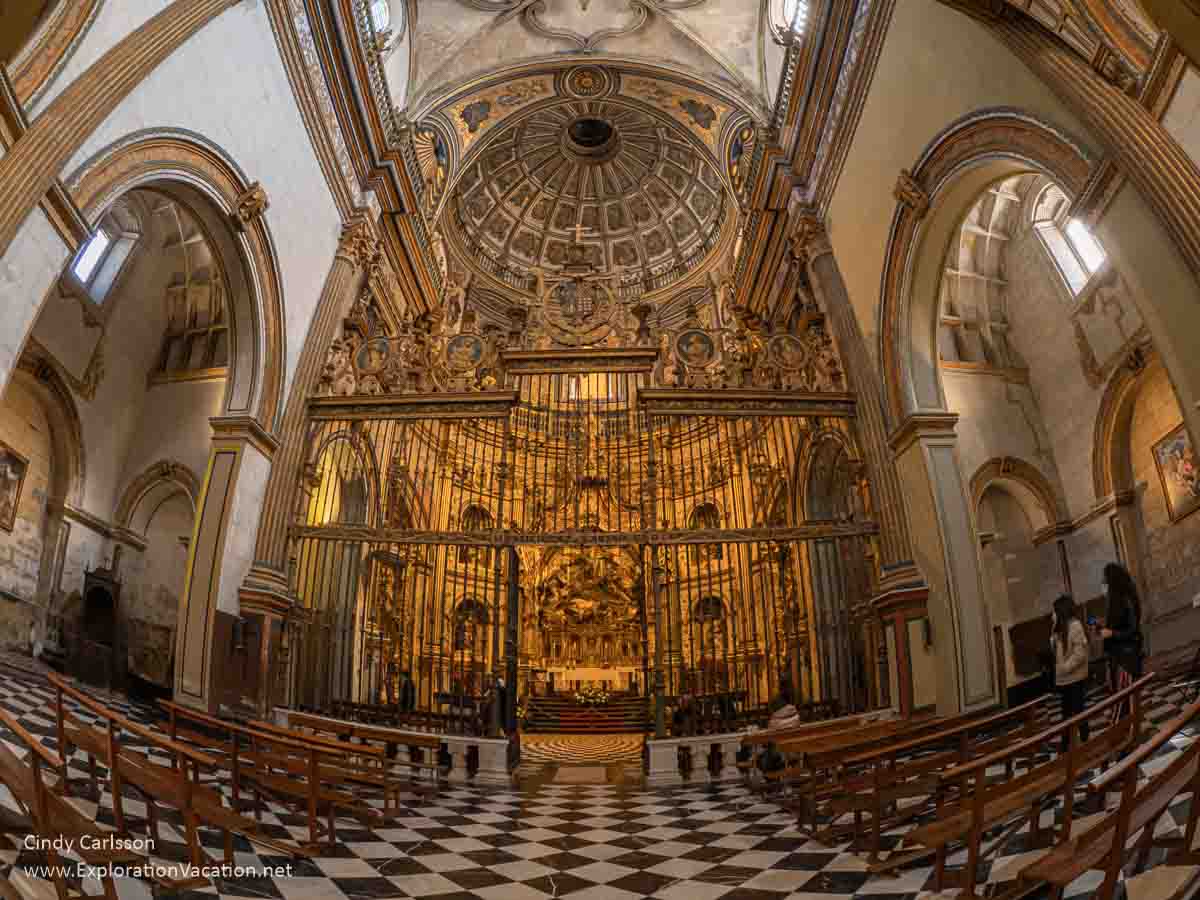
Built as a private chapel attached to a palace, it’s one of the finest examples of the city’s Renaissance architecture.
Touring the city’s historic homes and palaces, including the Palacio de Vela de los Cobos (open by appointment only) wasn’t an option either.
Úbeda is also noted for its pottery and I would have loved to visit the Pottery Museum and a few pottery shops.
What did we miss in Úbeda?
Ubeda is a city of palaces. While some of those grand palaces remain private residences, many were repurposed and are open to the public. I wish we had been here on a day when we could have gone inside the city hall (the 16th century Palacio Vazquez de Molina) or any number of the city’s historic churches.
Churches of particular interest include the Basílica Menor de Santa María de los Reales Alcázares (Basilica of Santa Maria) and the 14th century Iglesia de San Pablo (Saint Paul’s Chruch).
Where did we stay in Baeza?
We stayed at an Airbnb in Baeza, mostly because hotel accommodations in Úbeda (my first choice) were impossible to find. This was the kind of Airbnb I like best, not because it was the most comfortable or beautiful or had an amazing view, but because it appeared to be the owner’s former apartment, so owned by a real person and not some business with multiple properties.
We were met by the owner’s son who got us settled in and the apartment itself was large, had everything we needed (including decent internet), and was very affordable. And we were a block from the historic buildings and even closer to bluff-top walking path and its fabulous views.
But, if you are looking for a little luxury, the Úbeda Parador is in a 16th century palace in the center of the historic area.
Tips for visiting Baeza and Úbeda
You can easily drive between the two cities, although it is farther than it looks because of how the road is set up. Free parking (marked on Google maps) is available along the cliff top near historic areas in both cities, but it fills quickly in Úbeda.
The two cities look very different.
- Baeza feels very medieval and has few restaurants and cafés in the historic areas.
- Úbeda is a much larger city with a larger historic area. Here you feel as if you have stepped into a Spanish version of the Italian Renaissance. It looks like a stage set, but one filled with gawking tourists and local residents going about their day. Úbeda feels very urban and there’s more to do than in Beaza.
And don’t forget nearby Jaén. In many ways as historic as Baeza and Úbeda, the cathedral is being considered as an addition to the Úbeda and Baeza UNESCO World Heritage site.
👉 Read less
Córdoba (3 nights)
Despite the fact that the historic core of Córdoba is a UNESCO World Heritage site, many Andalucía tours breeze through as a day trip. However, we found plenty to keep us busy for almost three full days – and we barely got out of the area between the Mezquita and Alcázar!
👉 Read more about visiting Córdoba
What did we do in Córdoba
The Mezquita
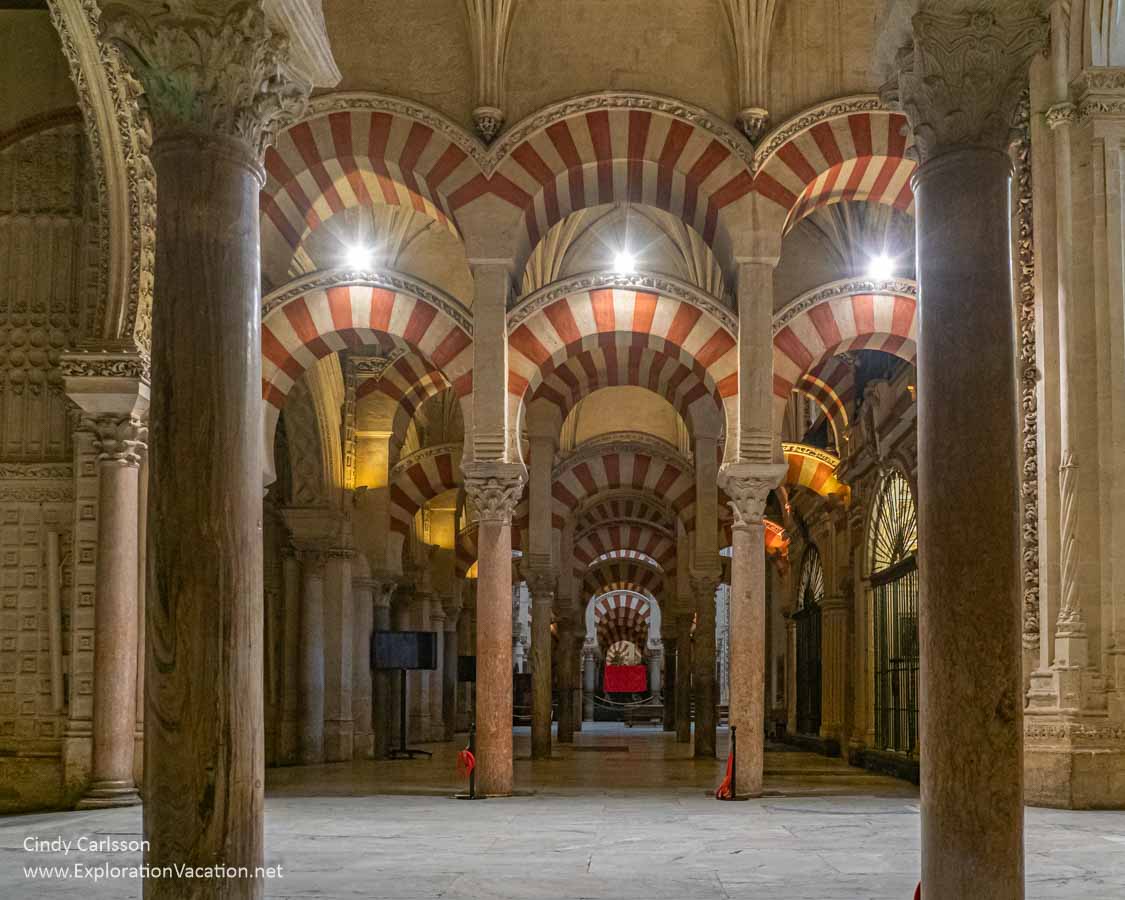
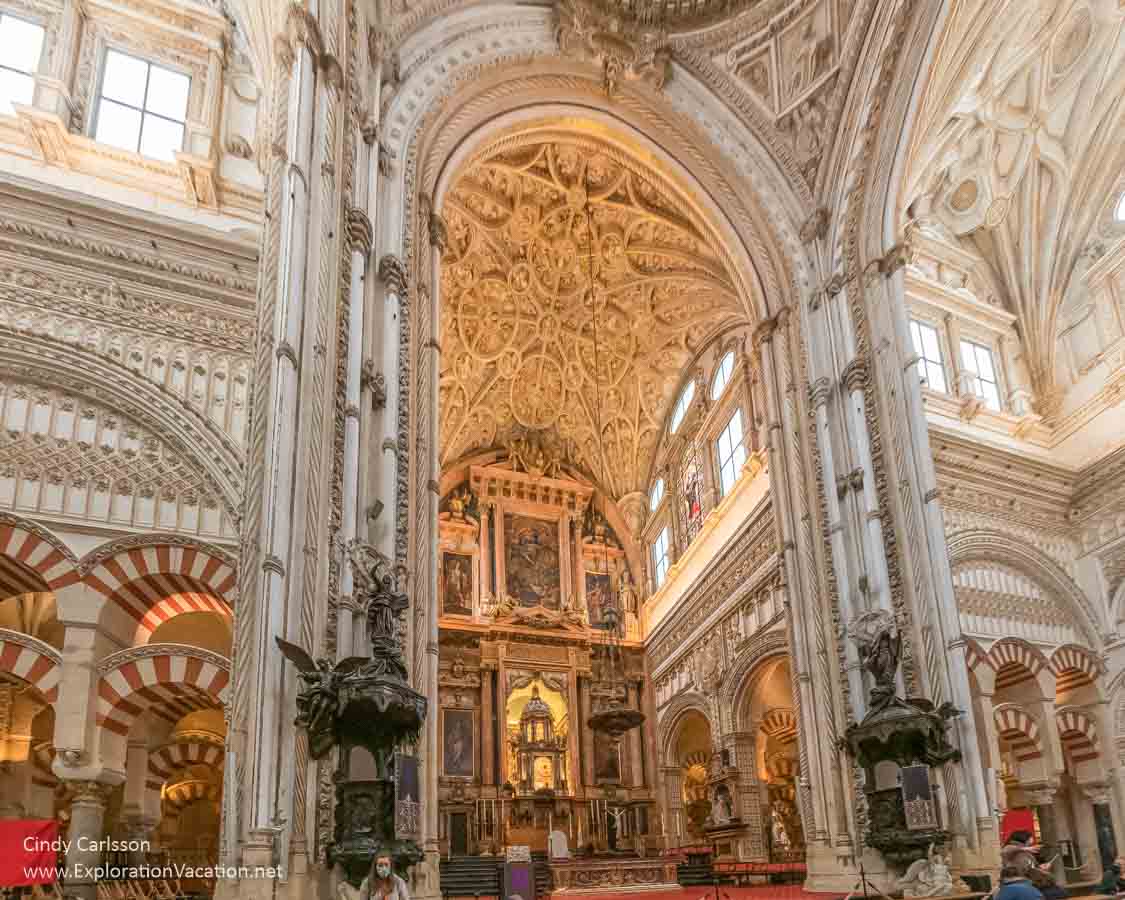
The Mezquita Mosque-Cathedral (the Cathedral of Our Lady of the Assumption or the Great Mosque of Córdoba) is what brings most visitors to Córdoba. And with good reason, as the enormous building is amazing, with over 800 arches (of the original 1300) and intricate Islamic decoration – with a Baroque cathedral stuck in the middle of it.
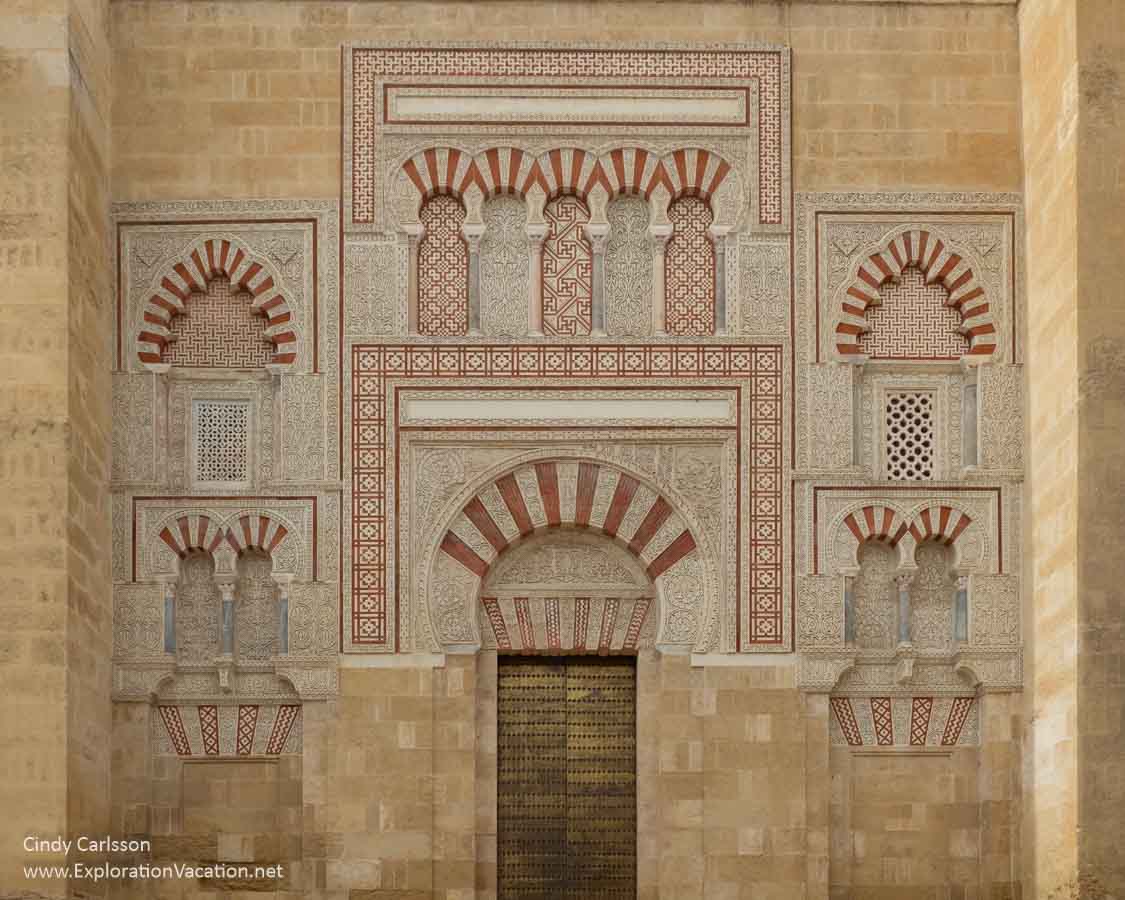
It’s an architectural tragedy that the cathedral was built how, where, and when it was. (It was late enough in time that the city opposed its construction because the mosque’s architecture was so incredible.) But it does make for some fascinating juxtapositions.
Alcázar gardens
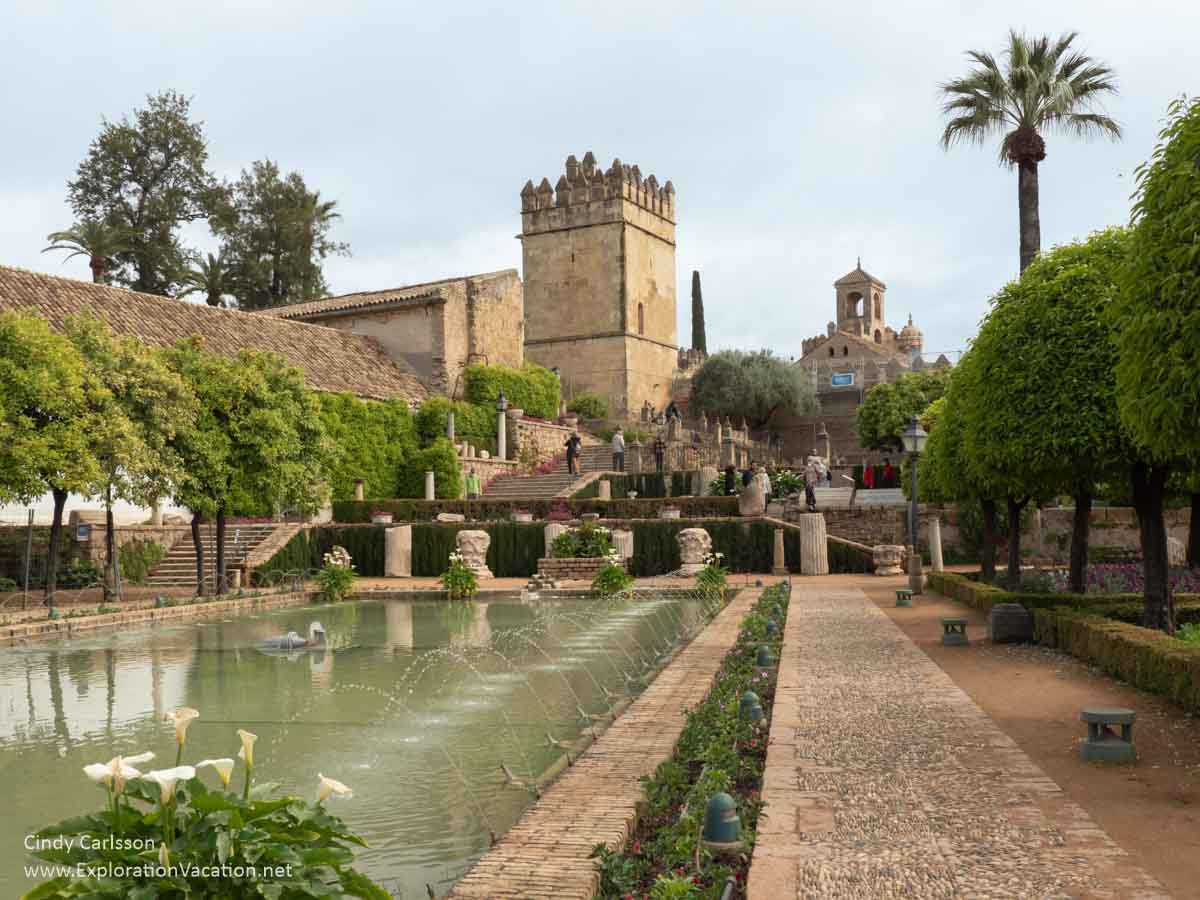
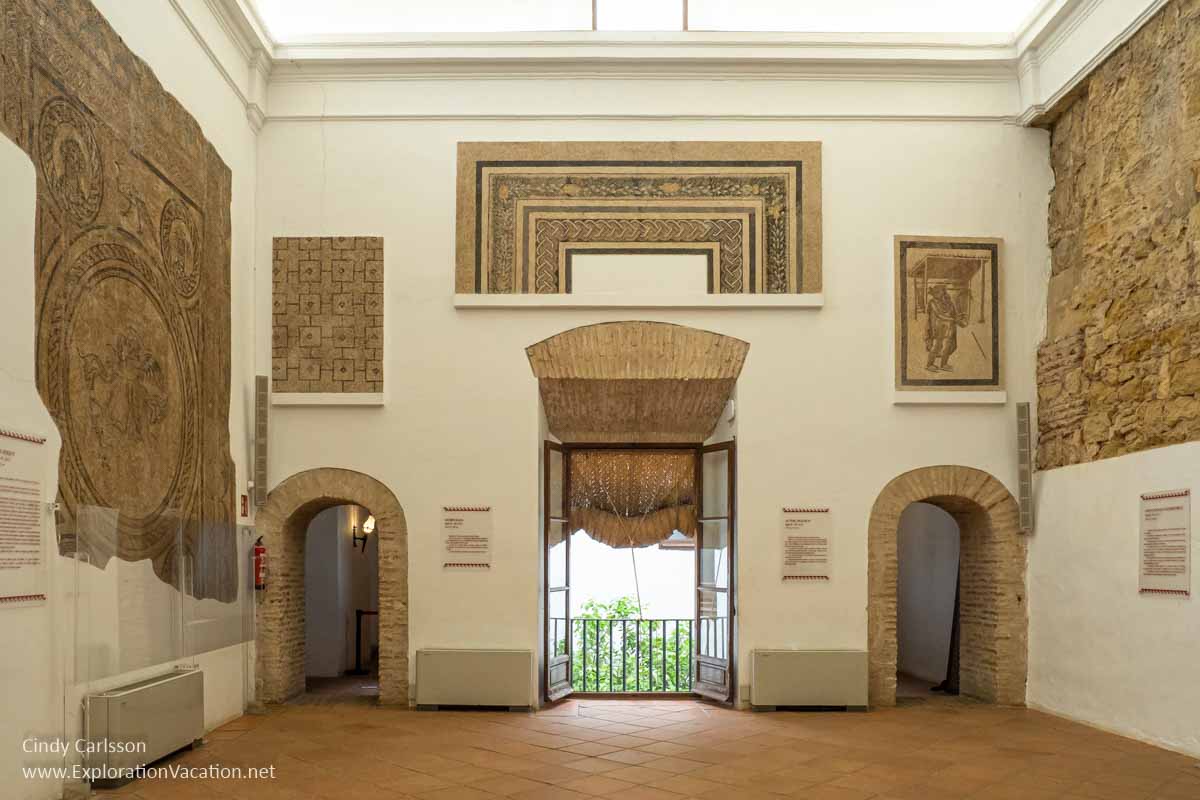
There are gardens everywhere in Córdoba, but the finest are at the Mudéjar Alcázar de los Reyes Cristianos (the Castle of Christian Monarchs). Before the Spanish Reconquista, this was an elaborate Islamic palace with baths, gardens, and the largest library in Europe – but most of it was destroyed or turned into a fortress and prison under the Spanish. Today there’s a bit of a museum in the remains of the fortress (the Roman mosaics on display are worth seeing) and signs of more archeological work and restoration in progress.
The gardens are the real reason to visit.
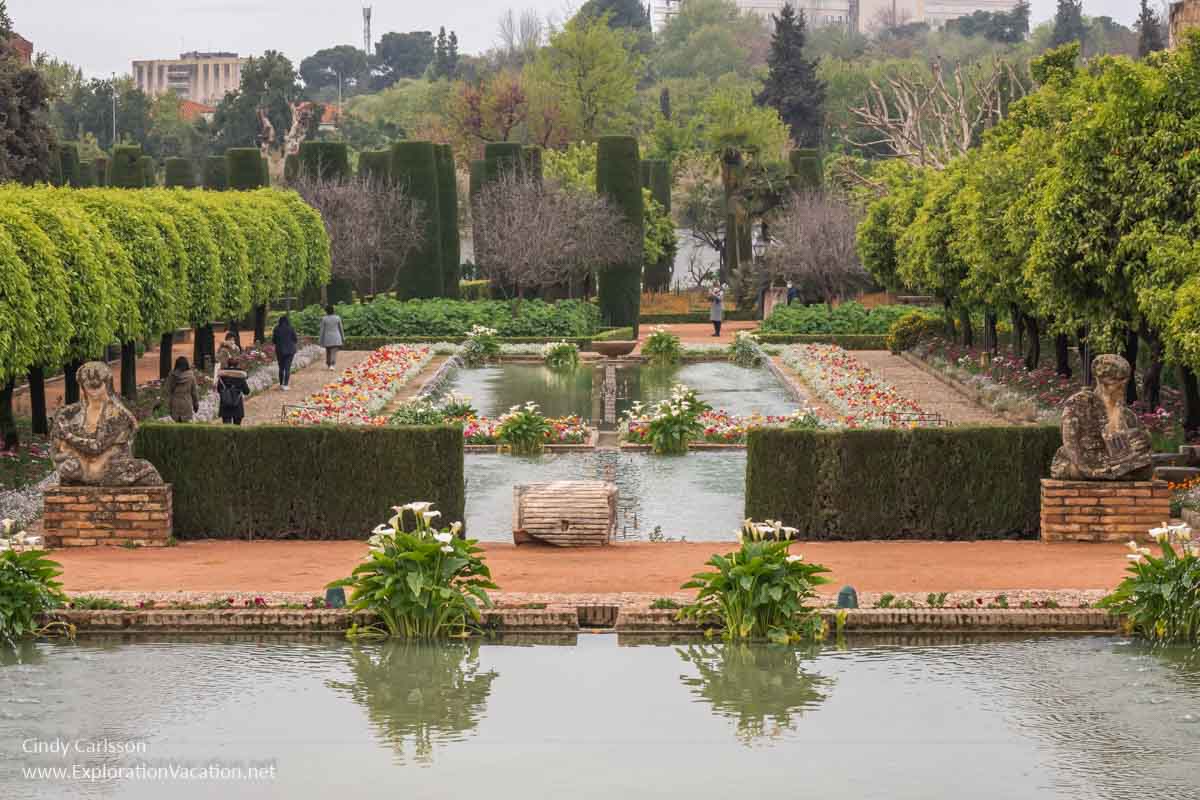
There have been gardens here since Córdoba was ruled by a caliph. However, what you see today largely dates to a mid-20th century remodeling when part of the site became a major roadway. But they are stunning.
Roman architecture
The Romans also left their mark on Córdoba, and several sites remain. The largest is the Puente Romano de Córdoba (Roman Bridge), which has been rebuilt several times over its long life.
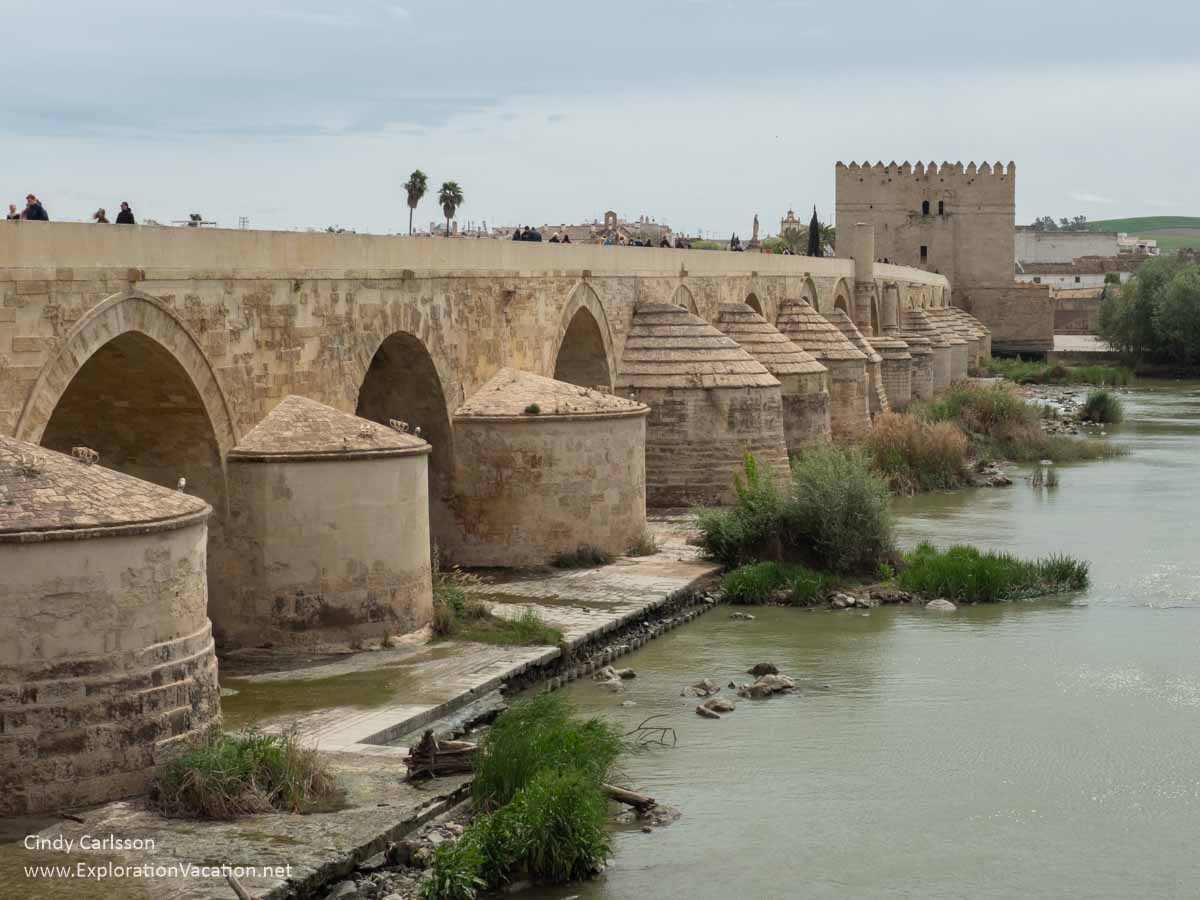
But there is also a partially restored temple and other traces of Roman architecture scattered about the city, along with those floor mosaics at the Alcázar.
In addition, some of the original Roman wall that once surrounded the city still exists, although much of what remains has been altered over time. (Our hotel was built into the wall.)
If you want to know more about Córdoba’s Roman history, check the Roman Córdoba Walking Tour on The Wildlife Diaries.
Patios
Patios – flower-filled indoor and outdoor courtyards, window boxes, and other spaces – are a big deal in other parts of Andalucía. But they are a REALLY big deal in Córdoba, where an annual festival and competition spur some residents to maintain absolutely gorgeous gardens.
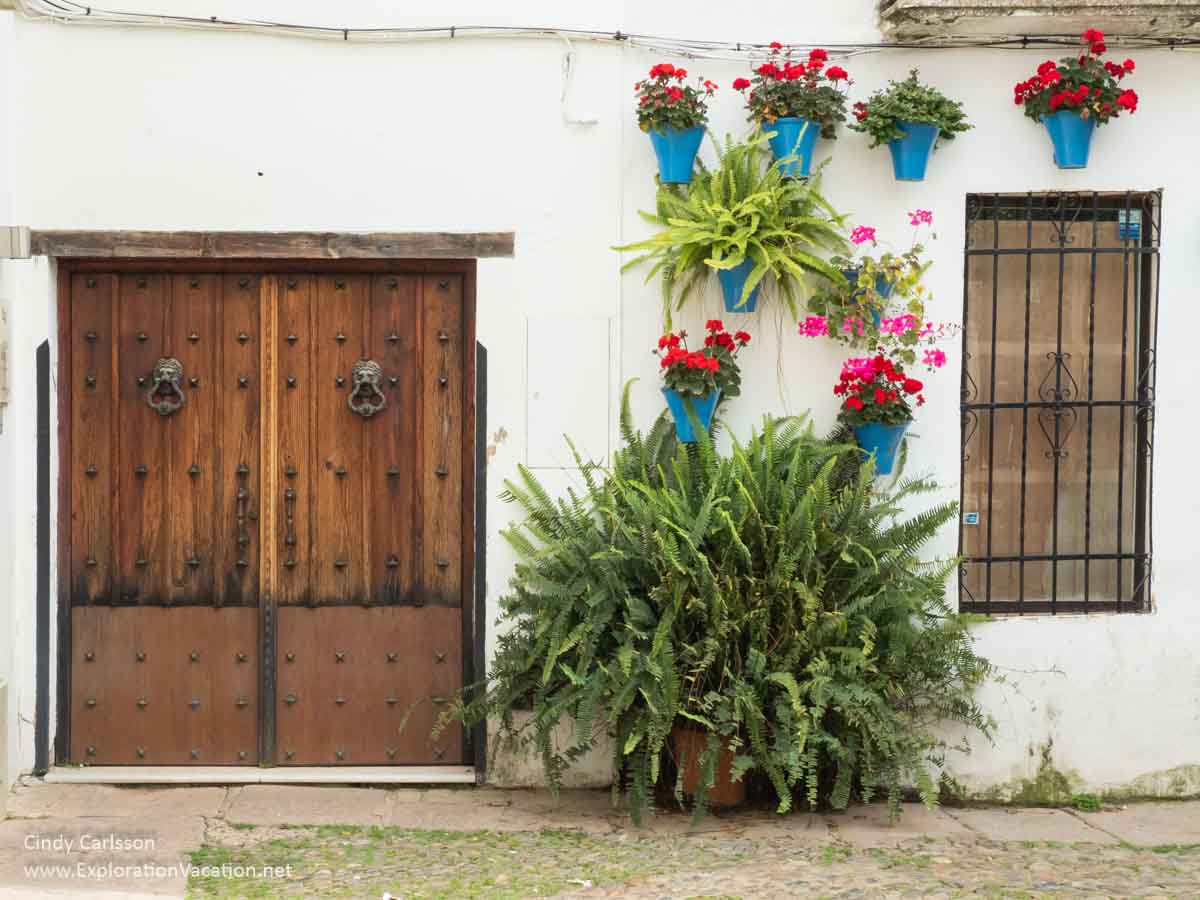
Most of the best patios are found in an area just northeast of the Alcázar gardens.
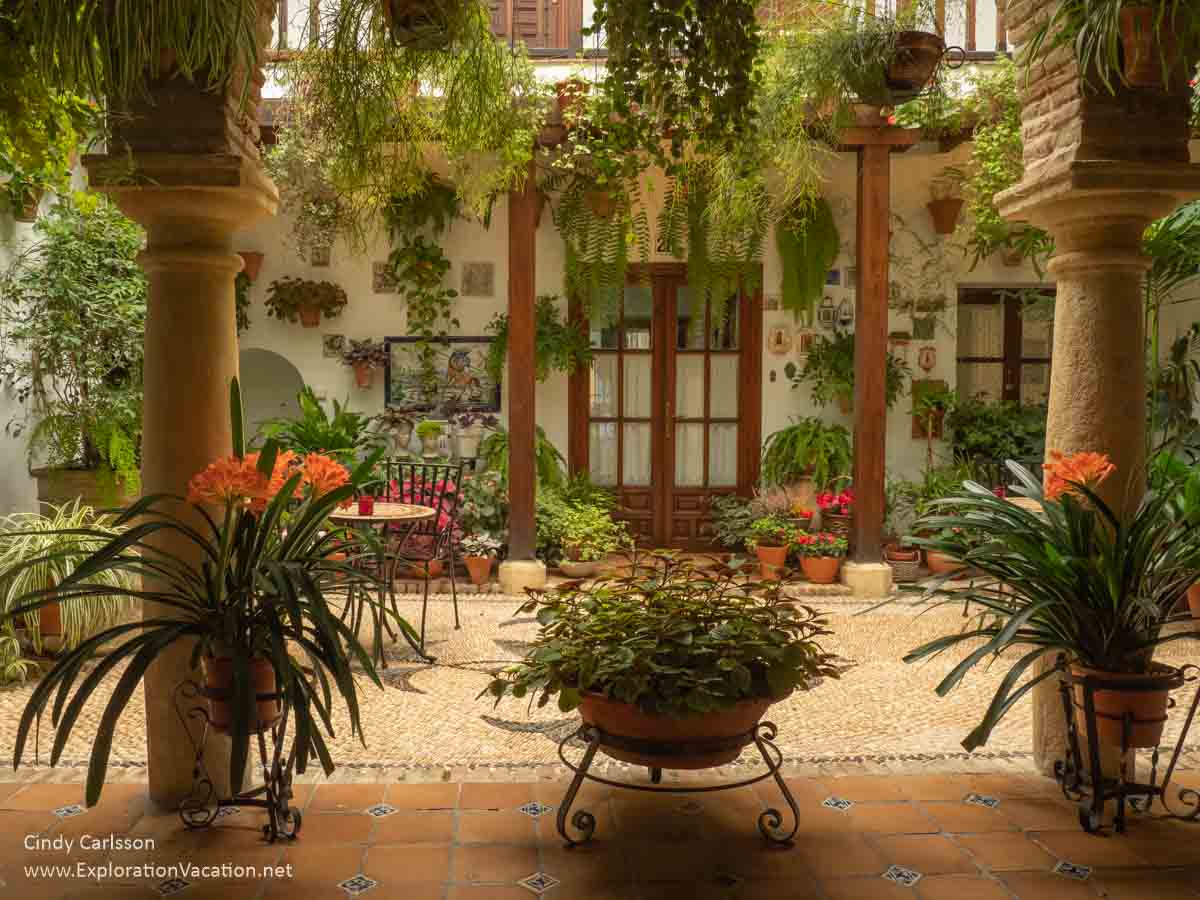
Tours are available and we planned to do one, but couldn’t find an open ticket office. As it was, I’m glad we didn’t. The tour groups were HUGE and many patios were easy to view on our own. We had a lovely afternoon of visiting local artists and crafts shops as we wandered between patios – and April was too early for many to be in bloom anyway. Besides, a visit with a silversmith resulted in both beautiful new earrings and entry into his family’s patio, which happened to be a beautiful stop on one of the ticketed tours.
(You can book a self-guided tour through de Patios too, which gives you access to some that aren’t otherwise open to the public.)
The tourist patio most people visit is not near most of the patios. Instead, it’s by the Mezquita at the end of an alley called “Flower Street.” It’s pretty and only takes a few minutes to visit, but it’s crowded.
Umayyad Guadameci Art Museum
Part shop/part art museum, the Casa-Museo del Guadamecí Omeya (Umayyad Guadameci Art Museum) has a stunning display of an ancient form of Islamic art worked in leather. It’s a technique that nearly died out, but it is stunning. While a few artists once again practice this technique, you’re unlikely to see it in most galleries, and the pieces you’ll find here are the best of the best. And yes, I did buy a small piece to take home, but you don’t have to make a purchase to visit the gallery for free.
Andalusian horse shows
The Royal Stables was established in 1570 to develop and train a distinct breed of Andalusian horses. A nightly performance shows off the horses’ grace and athleticism. It also pairs the horses with a Spanish dancer for a few sets. (No photos allowed.) Prior to COVID, visitors could watch the horses training, tour the stable, and meet the horses before the show – and take pictures during all of those activities. But those activities stopped during COVID and have been very, very slow to return.
Caliphate city of Medina Azahara
Located about 20 minutes outside Córdoba, the Caliphate City of Medina Azahara is a UNESCO World Heritage site that briefly served as the 10th century capital of Córdoba. It was never modified and was abandoned without being sacked. However, it was thoroughly looted before disappearing beneath dirt and debris. Today the site is slowly being recovered and visitors can walk through many parts of the ruined royal city.
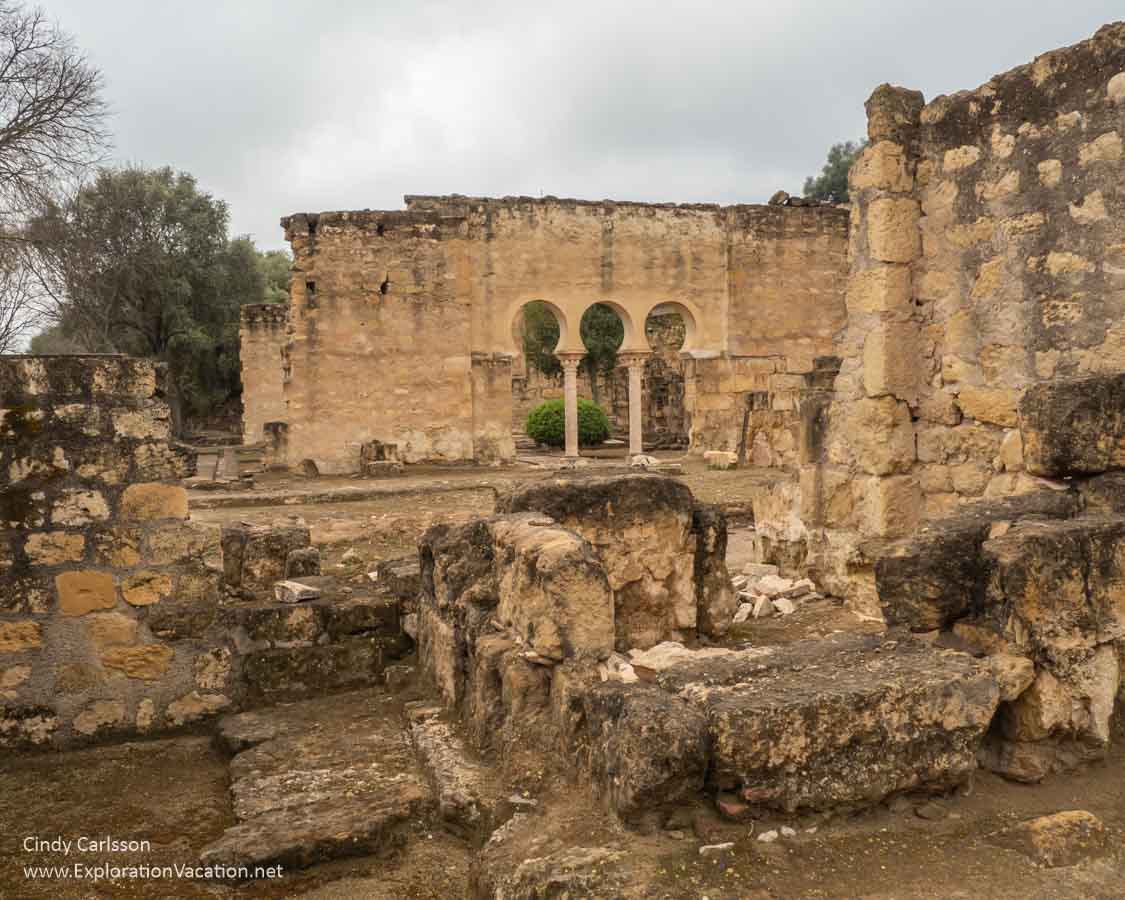
If you are driving, this is a good stop on your way to or from Córdoba. (We visited first thing in the morning as we left Córdoba.) If you don’t have a car, tours are available from Córdoba.
Read more about visiting the Caliphate City of Medina Azahara UNESCO World Heritage site in my post on the World Heritage Sites website.
What did we miss in Córdoba
Even with three days, we missed a lot in Córdoba. The city is idea for just wandering and we did a lot of that, although we never got very far from our hotel in the city’s historic heart. Back trouble from too many days of hauling around my camera slowed me down, as did a day of rain.
In addition, much of the area between the Roman bridge and the rest of the historic city was a construction zone. Between scaffolding, netting, and heavy equipment, some otherwise lovely areas were best avoided.
Palaces and more patios
Although we did see a lot of patios, we probably missed the finest of them because we didn’t get to Viana Palace. This 15th century palacio is noted for its dozen patios. We skipped it because it’s some distance from the other patios and it was a little early in the year for the patios to be really nice.
The Archaeological Museum
Although it holds items from throughout Córdoba’s long history, the Museo Arqueológico de Córdoba (Archaeological Museum of Córdoba) seems to have a lot of Roman artifacts. Formerly housed in a 16th century palace, the museum is now in a new building. The remains of a Roman theater are preserved below the museum.
Food markets
Even if you aren’t looking for local produce and grocery items, modern food markets are a great way to sample specialty items and traditional cuisine. I missed the market in Málaga and the Mercado Victoria and Mercado de la Corredera Plaza de las Cañas in Córdoba as well.
Córdoba Synagogue
Our hotel was near the early 14th century Sinagoga de Córdoba (Córdoba Synagogue), but we didn’t get inside. That was mostly a timing issue on our part. It looks amazing and is said to be one of the best-preserved medieval synagogues in Spain. Tours often stop there, so entrance lines can get very long.
Córdoba Bullfighting Museum
The Museo Taurino de Córdoba (Córdoba Bullfighting Museum) was next door to our hotel. It has a couple of cool sculptures at the entrance. However, bullfighting is not my thing and we chose not to visit.
Plaza de la Corredera
Although a bit away from the main historic sites, Plaza de la Corredera often comes up as a great spot to have drinks after sunset.
Views from the towers
Usually, I never pass on an opportunity to climb a tower and take in the view. But I didn’t get to do that in Córdoba. The Torre Campanario (Bell Tower) at the Mezquita would have given me beautiful views from the heart of the historic city. Along the river, the Torre de la Calahorra (Calahorra Tower) at the Roman Bridge would have offered both a beautiful view of the city and an interesting museum.
Where did we stay in Córdoba?
The Amistad Córdoba is tucked way down a tiny dead-end street between the old wall and the toreador museum in the old Jewish Quarter. (I’m pretty sure it’s across the street from where Google Maps puts it.) The hotel consists of a series of interconnected historic buildings that have been thoroughly modernized. It’s a maze to find your way through, but comfortable and in a great location.
Most, maybe all, windows to look out to the pool. That’s because rooms back up against the old wall. The hotel actually has an entrance that goes through the wall, which would make it very easy to access the Alcázar area. Unfortunately, it was locked. It would be nice if it were open, as the walk along the other side of the wall is very pleasant.
Parking is available beneath the building. While spaces in the garage are pretty tight, getting to the hotel down the twisting one-lane-and-just-a-little-more street was very challenging. I wouldn’t try it in a large vehicle. But once you are parked, you won’t need your car again until you are ready to leave the city.
Read reviews, compare prices and book the Amistad Córdoba on Expedia or Booking.com. (And get cash back if you are a Rakuten member.)
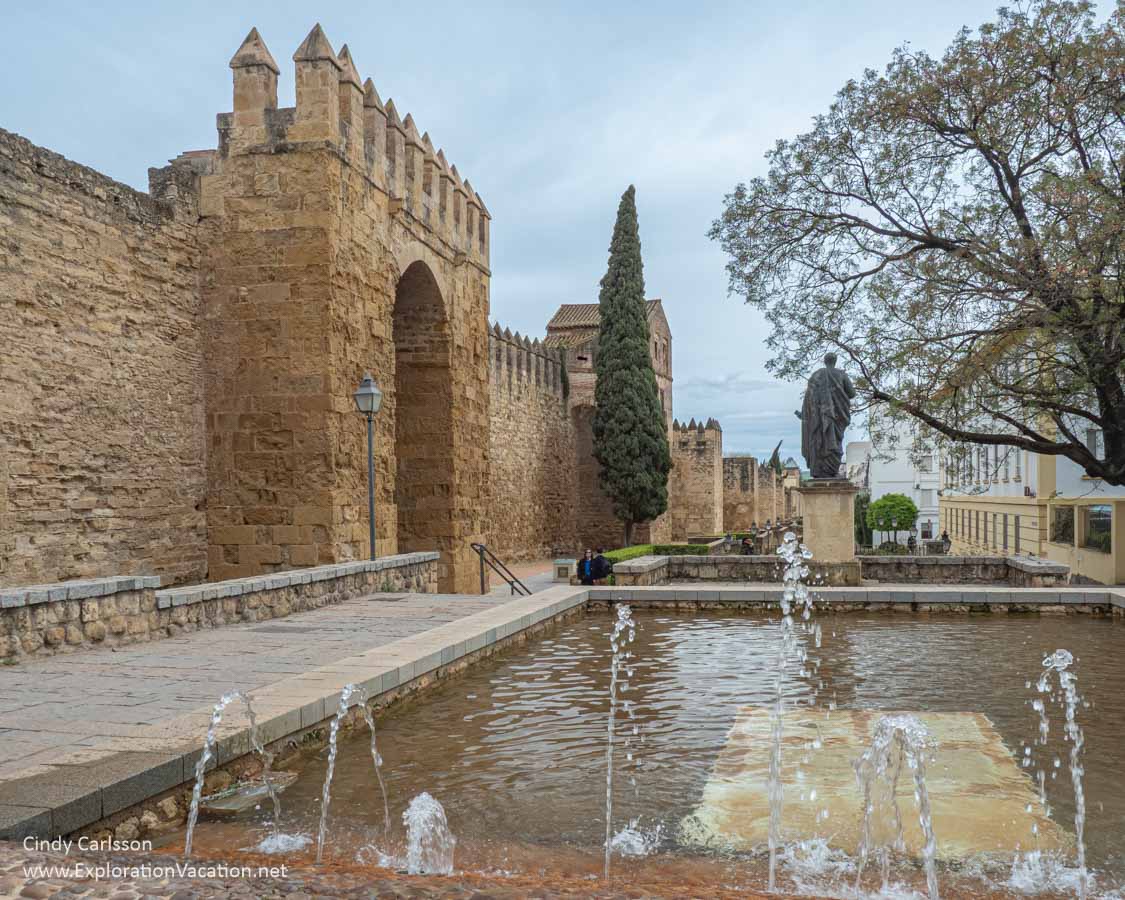
The city wall and park behind the hotel.
Looking for something else? There are lots of options. Check them out and book on Expedia, Hotels.com, or Booking.
Tips for visiting Córdoba
Late March/early April is just a bit too early to see the Alcázar and other gardens at their best. It’s also too early for many of the patios. One month later and the city would be bursting with flowers. To see the patios at their very best, visit during the first half of May during the Courtyards Festival.
The historic area around the Mezquita is filled with interesting streets. However, the blocks right around it are packed with tourists and there are some pretty crappy shops and restaurants mixed in with the good ones. Our hotel was just far enough away to be out of all that, yet still within easy walking distance to everything in the historic core.
👉 Read less
Carmona (1 night)
With an early morning flight out of Seville and a rental car to return, I wanted an airport hotel that was convenient, but still somewhere interesting. We ended up in Carmona.
I wish we had allowed more than an afternoon to explore here. It’s a lovely place where the architectural history goes back to the Visagoths.
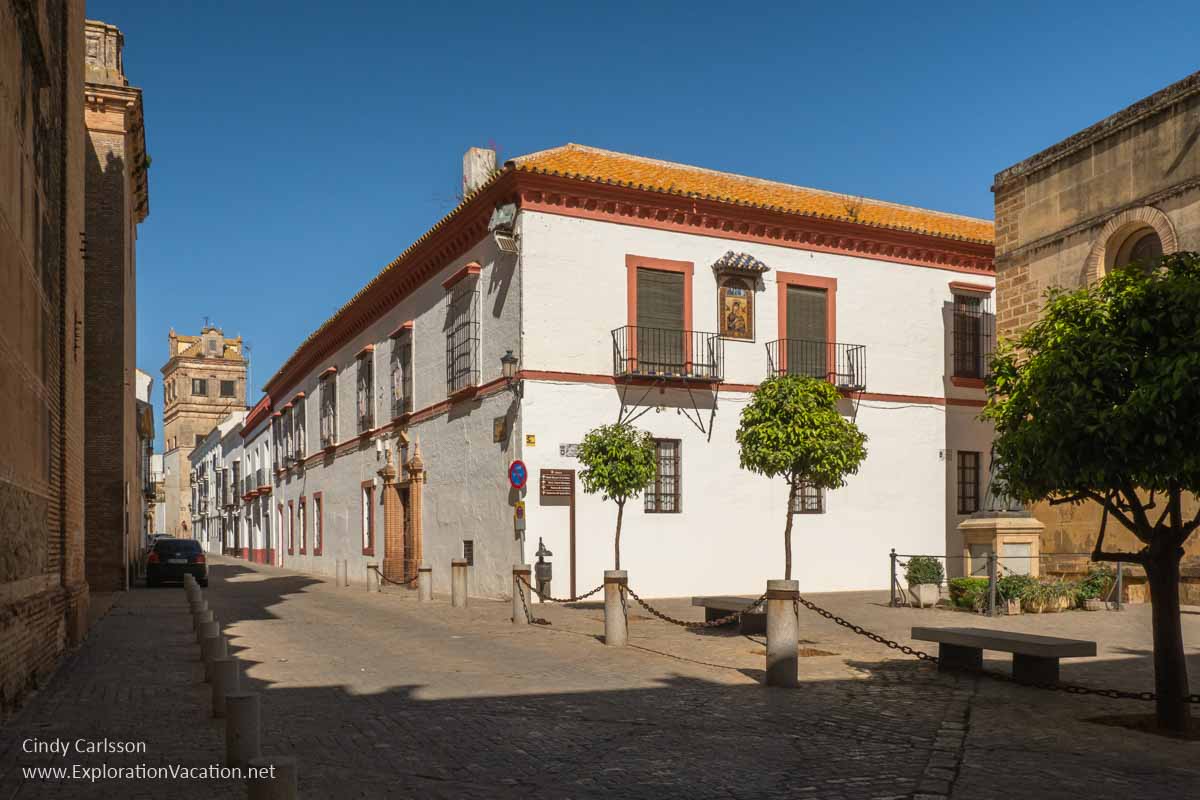
👉 Read more about visiting Carmona
The only monument we got inside was the Iglesia Prioral de Santa María de la Asunción (Priory Church of Saint Mary of the Assumption). We just happened to notice it was open and entered through the Patio de los Naranjos. (The Patio of the Oranges was the ablutions area for the mosque that was destroyed to build this 15th century church.) Inside, the church was dark except for the altar and the light streaming through the colored windows. It was mesmerizing.
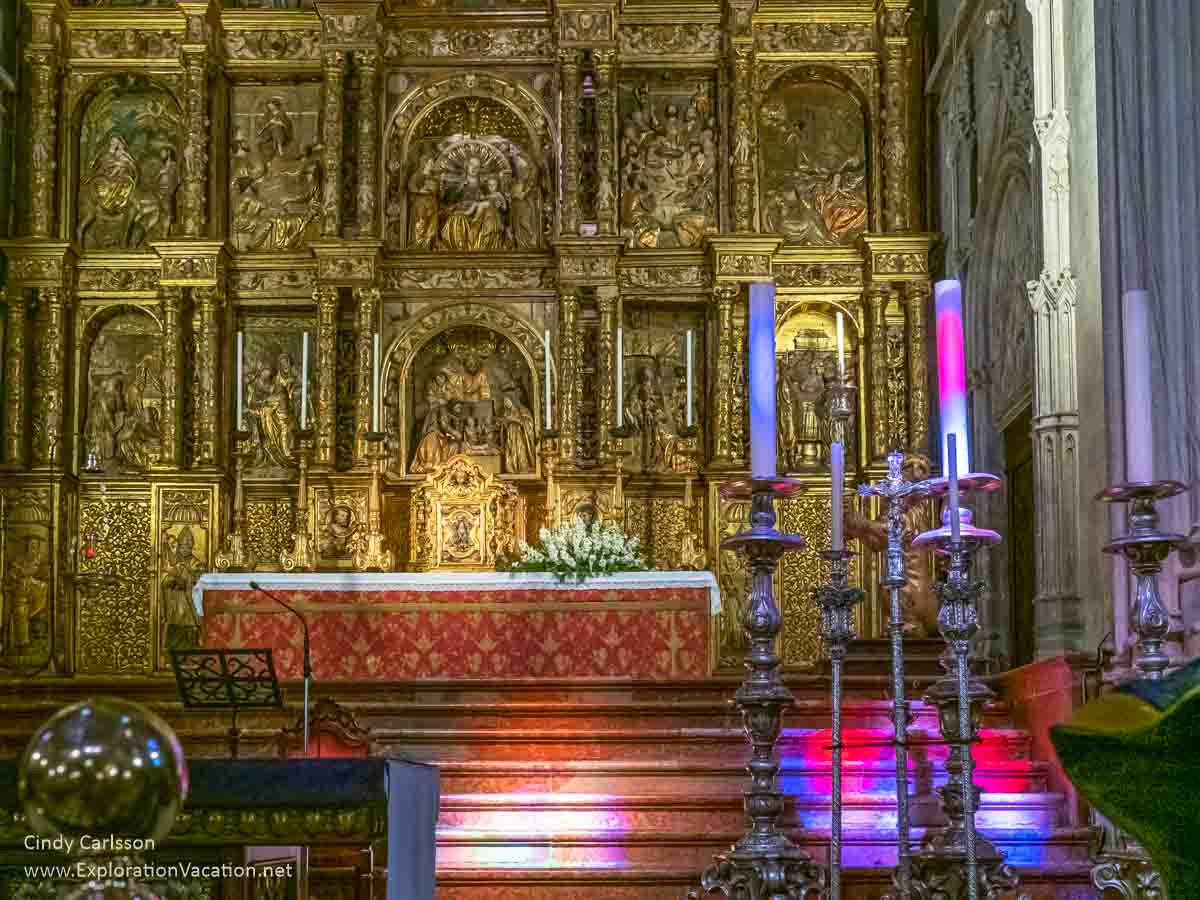
What did we miss in Carmona?
We started our explorations late in the day on a weekend. So we missed a lot.
Ancient walls, fortresses, and towers
I can’t really say I missed the Puerta de Córdoba (Córdoba Gate), as we drove through this modified Roman gate to enter the city. Because the tourist office was already closed when we arrived, we didn’t head over to the Gate of Sevilla (where it’s located) or the Alcázar and tower that rise above it. (I suspect the view from the ramparts and tower would be amazing.) But Roman ruins can be found throughout the city, so we saw a few fragments here and there.
The Roman Necropolis
I’m always fascinated by burial practices, so Carmona’s Roman Necropolis was the one thing I actually planned to visit while in town. However, we arrived later than planned and decided to spend our time exploring the city instead.
The city museum
I’m not sure what the Museo de la Ciudad de Carmona (City of Carmona Museum) has for artifacts, but its 16th century palace home looks very much worth checking out.
Where did we stay and eat in Carmona?
We had a lovely palatial room and free parking at the Hotel Alcázar de La Reina. It’s in a rather palatial older building and was much nicer than I anticipated. It feels old fashioned, but it a good way. I would have been happy to spend several nights there!
Read reviews, compare prices and book the Hotel Alcázar de La Reina on Booking.com or Expedia. (Get cash back if you are a Rakuten member.)
We also ate there, as an excellent restaurant is attached to the hotel. We sat in a shady patio by the pool and enjoyed a very nice meal on a warm afternoon.
All of this was very affordable and the trip to the airport in the morning was quick and easy.
Tips for Carmona
Carmona is a great choice for an airport hotel when flying out of Seville, as it’s an easy 20-minute drive.
It’s also a good choice if you want a nice day-trip from Seville.
👉 Read less
Planning a trip to Andalucía
I love Andalucía and highly recommend visiting here. While most Andalucía tourist itineraries focus on Moorish architecture, Andalusian horses, flamenco, sherry wine, and/or beaches; there is so much more. There really is something for everyone.
Where is Andalucía?
Andalucía is one of Spain’s 17 autonomous “communities.” Some of these, including Andalucía, are recognized as historically distinct nationalities. Thus, Andalucía is a governmental unit within the kingdom of Spain that has a long history and culture that differs from the rest of Spain.
Located at the southernmost end of Spain, Andalucía borders Portugal to the west. To the south, Tarifa (at Spain’s southernmost point) is just a 9-mile ferry trip from Morocco. The tiny British enclave of Gibraltar is also near the very southern end of Andalucía.
At 54,000 square miles, Andalucía is a pretty big place. It’s a little larger in size than Latvia and Lithuania combined. Or, for Americans, it’s a little smaller than the state of New York and a little larger than North Carolina. (The whole country of Spain is just a little larger than California, making it one of the largest in Europe.)
In 1833, Andalucía’s four historic kingdoms (Seville, Granada, Córdoba, and Jaén) were divided into eight provinces: Huelva, Seville, Cádiz, Córdoba, Málaga, Jaén, Granada, and Almería.
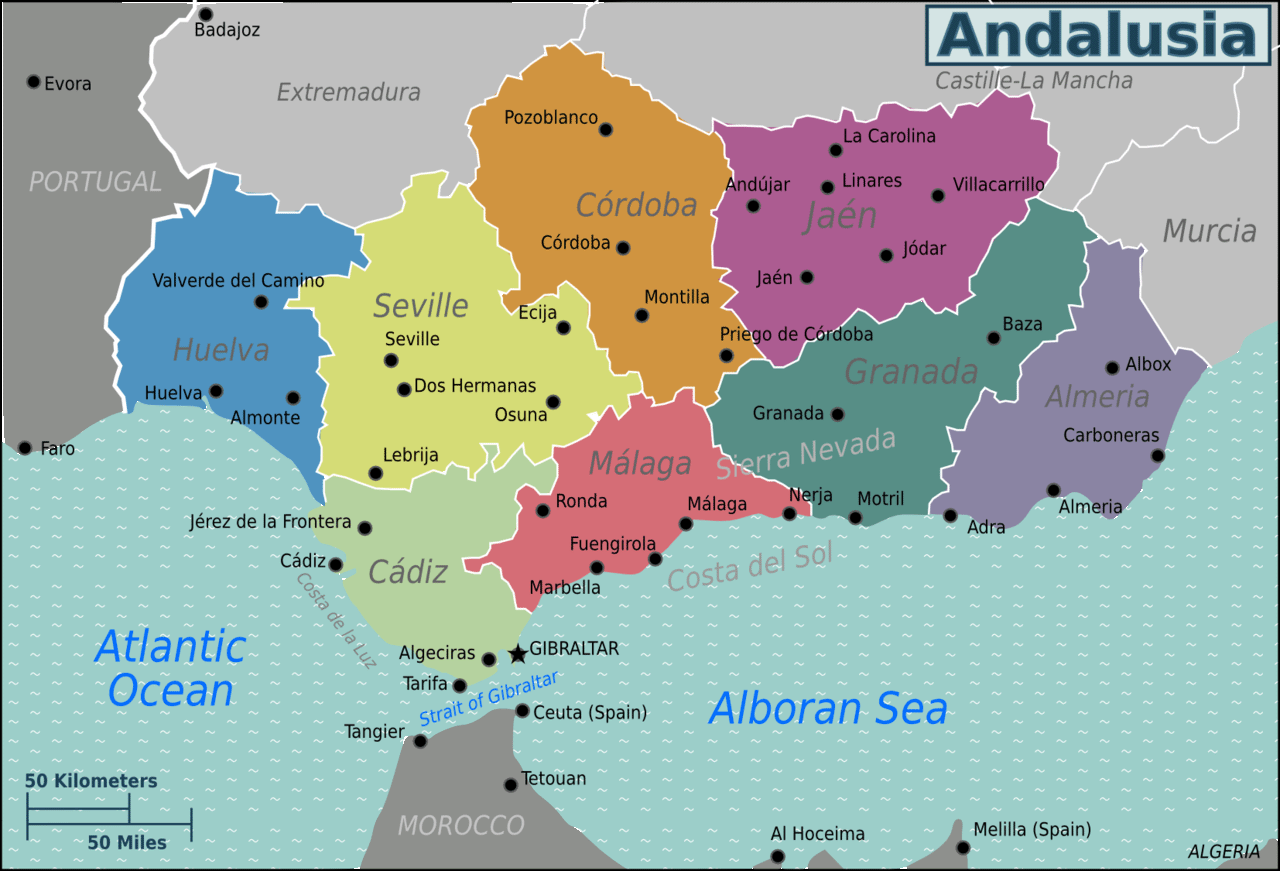
Map of Andalusian provinces by Ypsilon from Finland, CC0, via Wikimedia Commons
While all of those provinces share many similarities, they also have many differences. For visitors traveling through Andalucía, the most obvious difference is the wide variety of landscapes you come across. Although perhaps most famous for its beaches, as you travel, you’ll also find rolling hills (often planted with olive, orange, and almond trees as far as you can see), snow-capped mountains, semi-desert areas, and even a few vast marshes. Combine all that with a few thousand years of Roman, Islamic, and Spanish history, and there’s a lot to see!
UNESCO World Heritage Sites in Andalucía
Many travelers build trips around UNESCO World Heritage sites. And it’s easy to put a lot of UNESCO sites on an Andalucía itinerary!
Andalucía has 8 World Heritage sites.
Córdoba’s Historic Center
Córdoba was one of Spain’s grandest Islamic cities until the Spanish conquored it in the 13th century, turning the city’s great mosque into a cathedral (without completely destroying it) and adding defensive structures. Today Córdoba’s historic core is a UNESCO World Heritage Site.
Inside the Mezquita Cathedral.
The Caliphate City of Medina Azahara near Córdoba
Medina Azahara (Madinat al-Zahra) was a short-lived Islamic capital of Córdoba. It existed for less than a century before being destroyed, looted, and abandoned for centuries. The Medina Azahara UNESCO World Heritage Site preserves the ruins of the city as a rare example of an original Moorish city.
Granada’s Alhambra, Generalife, and Albayzín
The UNESCO World Heritage Site in Granada has three pieces: The Alhambra royal city, the Albayzín Arabic quarter, and the medieval Generalife Garden and vegetable farms. They are exceptional examples of Islamic Spain that influenced and became part of the Christian city.
An evening view of the Alhambra from the Albayzin.
Seville’s Cathedral, Alcázar, and Archivo de Indias
Together, the Cathedral, Alcázar and Archivo de Indias in Seville UNESCO World Heritage Site tell the the city’s story of Seville from the final days of Islamic rule through Spain’s 17th century Golden Age.
The Renaissance Monumental Ensembles of Úbeda and Baeza
The Úbeda and Baeza World Heritage Site includes portions of two neighborhing cities noted for Renaissance renovations that came to Spain from Italy.
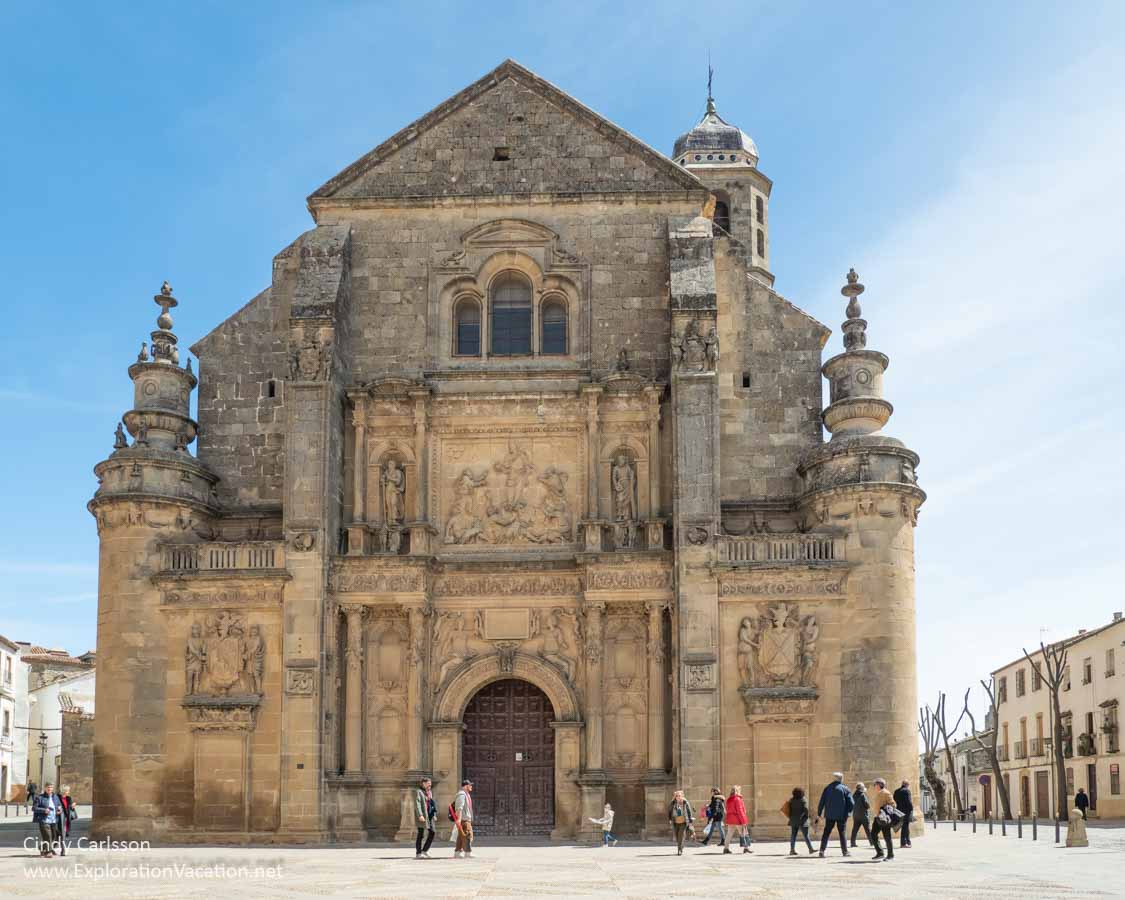
The Chapel of the Holy Savior (El Salvador Church) in Ubeda.
Doñana National Park
The Doñana National Park UNESCO World Heritage Site includes a variety of landscapes and ecosystems, including seasonal beaches, dunes, marshes, scrublands, and forests. The area is an important stop for migratory birds and home to the rare Iberian lynx.
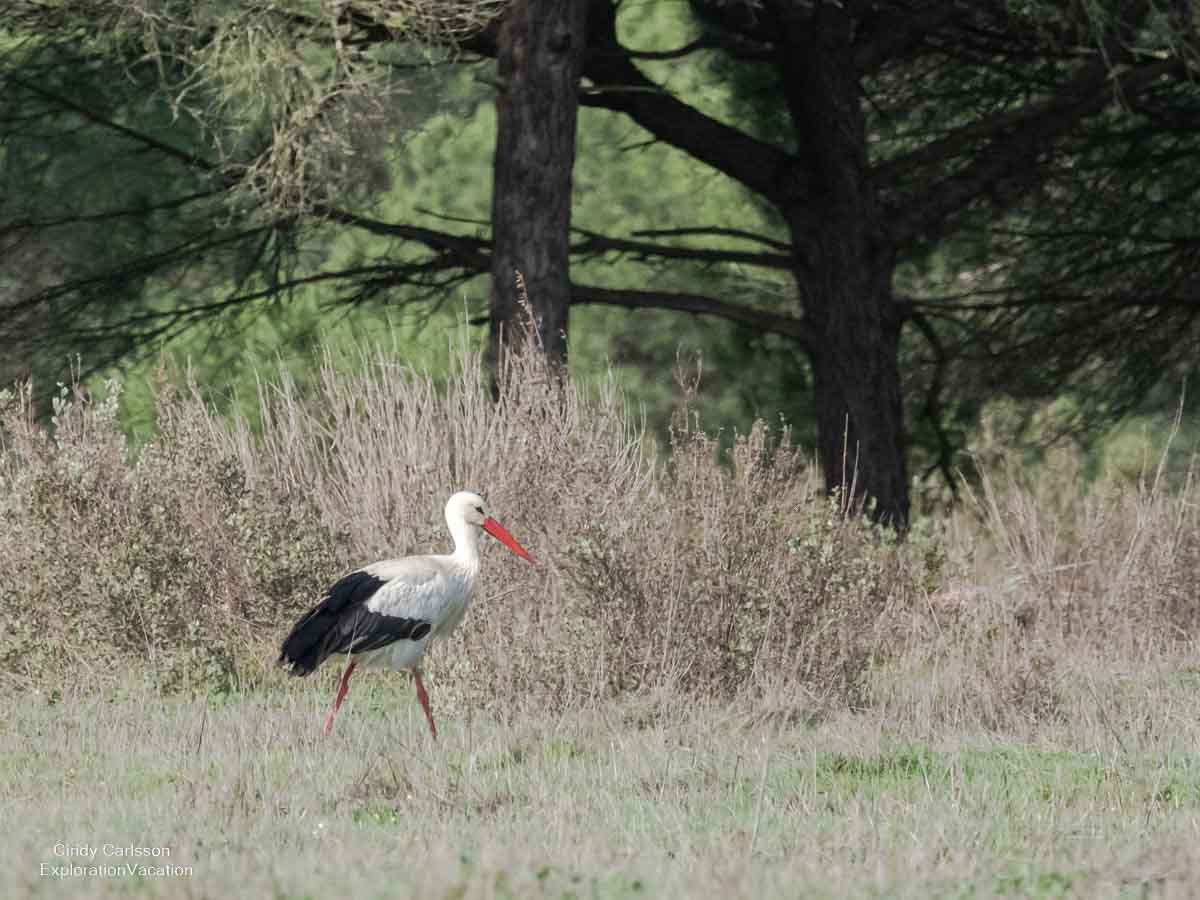
A stork in the Doñana Nature Reserve.
The Antequera Dolmens Site, including El Torcal National Park
The Antequera Dolmens UNESCO World Heritage Site includes two sites with megalithic tombs and two natural sites with limestone formations.
The entrance to Menga Dolmen.
Rock art sites of the Mediterranean Basin on the Iberian Peninsula
This UNESCO World Heritage Site is made up of 69 rock art sites on the Iberian Peninsula, some of which are in Andalucía.
Spanish sites that may someday become World Heritage Sites
Several sites in Andalucía are also on Spain’s tentative list of nominations. They aren’t World Heritage sites today, but they could attain that status in the future. These sites include:
- Jaén Cathedral added to the Úbeda and Baeza site
- The Olive Grove Landscapes of Andalusia
- Wine in Iberia, including Castillo de Doña Blanca in Cádiz (partially in Andalucía)
- The Hadrianic city of Italica near Seville
- Roman Ways: Itineraries of the Roman Empire (partially in Andalucía)
The perfect Andalucía itinerary
We spent a month in Spain, with all but a few days in Andalucía.
Friends couldn’t believe we were spending so long just in Andalucía. We were told repeatedly that we could see all of Spain in a month – why stay in Andalucía for so long!? But even if we had been blessed with perfect weather, a month in Andalucía would not have been too long for us. We still wouldn’t have time to see and do everything on our list!
But, of course, not everyone has the time to spend a month exploring Andalucía. And most tours cover Andalucía in a week or even less.
So, how do you decide where to go, what to do, and how long to stay?
What’s the perfect itinerary for you?
There are dozens of websites that will tell you they have the “best” Andalusian itinerary. And it may be the best for someone, but is it best for you? Likewise, the “best” Andalucía tour may not be the best one for for you.
The best itinerary for Andalucía is the one where you see and do things YOU love while traveling in a way that is comfortable for you.
That’s true whether you are traveling on your own or booking a tour. So, here are some tips to help you identify the best Andalusian tour for you.
👉 Read more about planning the perfect itinerary
What do you love to do?
Even if you are going to Spain simply because you haven’t been there and you want to check it off a list, take some time to think about what interests you.
Here are a few questions just to get you started:
- Do you love being outdoors? If so, would you rather hike, peddle, paddle, surf, or just lay on the beach?
- Are you a foodie? Do you love shopping and cooking or just eating? Are you interested in learning about traditional local foods or are cutting-edge Michelin starred restaurants more your style? Maybe you want to sit along the beach and eat fresh seafood every day. Or is a sherry tasting at a historic bodega more your style?
- Could you happily spend your entire vacation in museums? What kind of museums? History museums? Cultural museums? Art museums? Automobile, fashion, natural history, ship building, or any of a seemingly unlimited number of other museums?
- Do you love festivals? Cultural festivals, music festivals, art festivals, religious festivals, or something else entirely?
- Are you crazy about horses? Or are you a birder with an Andalucía-size hole in your life list?
Which of those things should you do in Andalucía – and when?
Despite all the variety you’ll find in Andalucía, it won’t be the best place to see and do everything you love.
To answer the question “Is Spain a good place to do that?” you need to do just a little research.
Instead of Googling “best things to do in Andalucía,” search for “cooking classes in Andalucía,” or art museums, car museums, flamenco, Michelin star restaurants, bird watching, festivals, palaces, Baroque churches, etc., etc., etc. in Andalucía. That will tell you that you pretty quickly that cooking classes are available in many cities, as are flamenco performances and classes. Or that there’s one notable car museum, but almost 20 Michelin-starred restaurants. You’ll also discover you can find palaces and Baroque churches all over the place. Likewise, you’ll discover there’s some fine birding in Andalucía, but some seasons offer more variety than others. That’s true of festivals as well.
How do you want to travel?
Now that you have some idea of what you want to do in Andalucía, you need to either create an itinerary or find a tour that includes those things and fits your travel style and timeframe.
Not sure what your travel style is? Here are a few questions to help you figure that out and plan or book a trip that fits your interest and style.
How much do you want to do in a day or a week – and how fast can you do it?
Do you want to pack as many things as possible into each and every day? Or do you want time to linger in a pretty plaza over sangria and tapas? Or maybe take an afternoon or even a day just to relax on the beach or lay by the hotel pool?
Can you see a church or a garden in 20 minutes or do you need 2 hours? Is an hour in a major museum enough, or do you need a half day?
A professional travel writer and photographer once told me to never do more than one major site and one smaller one in the same day. That advice generally works well for me. More than that and I’m too tired and overwhelmed to really appreciate the rest. Sometimes that means I don’t have time to get to everything I’d like to, but I am more able absorb the places I do visit. However, another friend eagerly packs as many sites into a day as possible.
Figure out what works for you and go with it.
How physically fit are you?
Be realistic about how much standing, walking, and stair climbing you can do in a day and how fast you can do it. And keep in mind that you’ll probably spend a fair amount of time walking on cobblestones.
How important is photography?
Your friends probably won’t care that you took a photo looking into the sun or that there’s a garbage truck in your selfie. But if you want to catch the best light and the fewest crowds, you’ll need extra time and flexibility.
What kind of places do you like to visit?
Do you love big cities or are small towns, rural areas, or even natural areas more your thing? If you hate cities, you might not enjoy the usual trip that focuses on Granada, Córdoba, and Seville. You don’t have to visit all of southern Spain’s big cities. Maybe visit just one major city and then spend the rest of your time touring white villages, exploring olive groves, hiking and camping in the mountains, or playing on the beach.
How will you get around?
Are you going to drive so you can go wherever you want when you want? Use public transportation and adjust your travel to fit those schedules and travel times? Or book a tour and leave the arrangements to someone else?
How often do want to change your lodging?
Do you want a new view from your hotel room every night, or would you rather unpack once and never have to do it again?
👉 Read less
Getting around Andalucía
Andalucía is a pretty big area. That means moving from place to place efficiently without spending a fortune can be a challenge. But you have plenty of options, with trains, planes, buses, and rental cars readily available.
👉 Read more about getting around Andalucía
Train travel
Spain’s train system looks like it would be great for zipping between major cities. Highspeed AVE service connects southern Spain’s largest cities. This is a comfortable and reasonably quick way to cover long distances. It isn’t cheap and it’s pretty limited, but if your goal is simply to visit the region’s largest cities, this is a great way to go.
But it’s not so great if you want to explore smaller places. And it’s seemingly impossible to find a map that clearly identifies all the train stations. The closest I’ve found are on Rome2rio and on something called ACPRail. I don’t guarantee either of these is current, but they give you a general sense of what is available.
Both Spanish rail passes and Eurail passes can be used on the national RENFE rail system.
While many places we visited were on a rail line, some were not. El Rocío, Baeza, and the white towns we drove through were not on rail lines. Those omissions were a big reason why we rented a car.
Air travel
We planned to take the AVE train from Barcelona to either Seville or Malaga to start and end our trip. However, once we looked at the cost and the time it would take to travel by train, we booked a cheap flight instead. I know, it’s not as environmentally sound, but given the marginal difference in cost, the huge time savings, and the fact that I get sick on trains, it was the best decision for us.
Bus travel
We don’t do the bus. Too much luggage (photo gear), a desire to explore places well off the regular route, and a tendency to vomit if I’m not in the front seat mean I avoid the bus when possible.
There are lots of buses in Spain and they are operated by many companies. I actually did look into using buses (and rail) to get around, but different companies serve different areas and it got complicated really fast. But if you are only going a short distance between cities, a bus is very economical.
Car rentals
In the end we rented a car that let us go where we wanted, when we wanted. We picked up our car at the airport in Seville and returned it there at the end of our trip.
Renting a car worked for us, but. . .
Since we were traveling slightly off-season finding a rental car wasn’t too hard, although it was expensive. Despite having a car, we only used it to move between cities or visit places where we weren’t spending a night or two. That means we paid a fortune to park it the entire time we were in most cities. (A couple of places had free parking, but only a couple.)
We loved the convenience. However, had I realized how expensive parking would be, I might have checked the cost of renting in Seville, dropping it when we arrived in Málaga and picking another up when we left, dropping that one when we arrived in Granada and picking one up when we left, dropping that one in Córdoba and picking another up when we left Cordoba, and then dropping that one off at the airport in Seville. Or maybe just dropping the first car in Málaga and picking up a second car there for the rest of the trip. . . .
Even with paying one-way drop-off charges, NOT paying for the car or parking while in Málaga, Granada, and Córdoba probably would have saved money. But it seems like such a hassle. Still, I will do the math on that if we do a trip like this again – especially if the drop-offs are in the same country.
Small cars are good
We rented the smallest car we thought we could get our luggage in. I made a fairly last-minute switch in my booking in order to get a better price and ended up booking through Budget – a company I usually avoid after a couple truly horrendous experiences. But (like my Alaska booking through Budget) I couldn’t be happier with my experience with Budget at the Seville airport.
You can book directly through Budget or Expedia (affiliate links), both of which should also give you a little cash back through Rakuten.
I rented an Economy car, which is usually pretty small and I worried it would be too small. The example car was an Opel Corsa, which is classified as a “supermini.” (Whatever that is.) When we went to pick it up, they pushed an upgrade because the car we had “was really small.” We said no and were shocked to find our car was way bigger than I expected or wanted.
Our “five-door” Peugeot 208 hatchback was classified as a supermini. But our luggage fit and my husband (the driver) had plenty of legroom. The downside of this unexpectedly roomy car was getting it through narrow streets and even narrower parking spaces.
We really could have used something smaller. It would have made driving and parking so much easier!
Manual transmissions save money
If you can drive a stick, you’ll save money. And they’re a lot more fun to drive.
Driving in Spain
If you are not from Europe and get in an accident, you are likely to really need an International Driving Permit. You can get them from AAA and they aren’t expensive, so just get one.
I was the navigator, not the driver, but I think navigating in Spain was harder than driving. Not that driving through streets only a few inches wider than your car with people all around you is a picnic. However, the worst part was figuring out which streets we could drive on (lots of areas only allow residents or commercial vehicles), which direction we could drive (lots of one-ways, but also lots of two-way streets that looked like one-ways), and where we could legally park.
(On the positive side, Spanish cities have plenty of parking lots and garages.)
Small towns were as bad as big towns, except there usually wasn’t as much traffic.
But once you are out of town, the highways are modern and other roads are fine and (usually) in good condition. We enjoyed driving local routes where the roads were generally good, the scenery was great, and traffic almost non-existent. Just watch out for sheep.
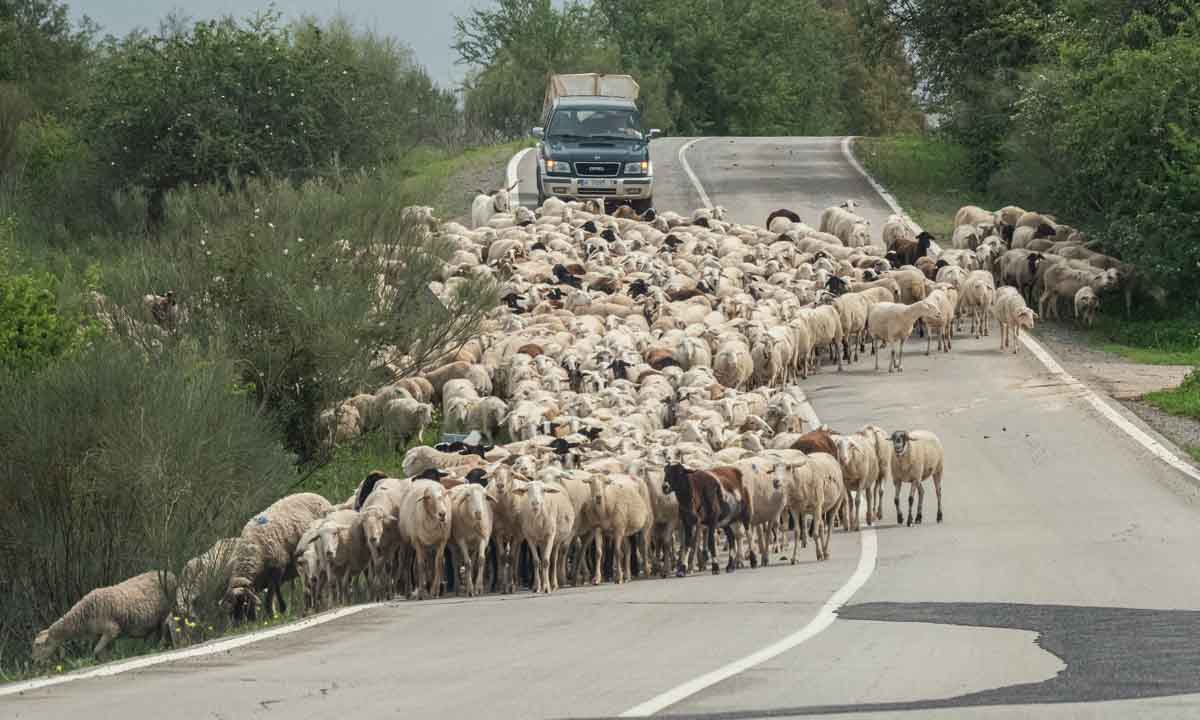
👉 Read less
Eating and drinking in Andalucía
The food in Andalucía is varied and generally excellent. And it’s easy to make a good meal of tapas if you are on a budget or just not interested in a traditional main course for dinner.
When did we eat?
Weather permitting, we generally spent the morning sightseeing. Sometimes we took a lunch break around noon, but more often we didn’t have anything more than a pastry or snack until 3 or 4 pm when we’d sit down for drinks and tapas or a full meal before things closed for the afternoon. If we had a good afternoon meal, we sometimes skipped dinner or just had tapas. Otherwise, we’d look for a restaurant as soon as things started opening again at 8 pm.
It generally wasn’t hard to find something to eat from mid-morning through about 4 pm, and then again after 8 pm. That means we didn’t have to completely switch to the traditional Spanish schedule for meals. But finding food first thing in the morning or in late afternoon/early evening was more challenging – especially outside of tourist areas.
A few food things to be aware of
Pork and fresh seafood were available everywhere. But so are potatoes, including cold potatoes. And potatoes show up in what seemed to me like some odd places – like shrimp salad (basically potato salad with shrimp). If, like me, you aren’t a fan of cold potatoes, be careful when ordering.
There’s always a charge for bread, but they’ll bring it anyway. If you don’t want it, say so right away.
Chef’s choice tapas sometimes come with your drink. We never figured out how to know whether tapas was included until we ordered a drink and food either did or didn’t arrive along with it.

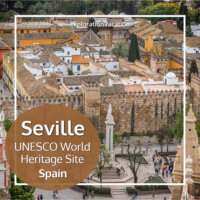
Hi Cindy, I run the websites about Ronda and Grazalema that you have kindly linked to… I just wanted to congratulate you on this fantastic article about your road trip through Andalucia! It will really help people to plan their own trip and the advise of staying in Andalucia and not “doing” the whole of Spain in one month is perfect!
Brilliant photos too!
Keep on travelling :)
Thank you Clive! I always advocate slowing down and getting to know a place — and there’s so much to see and do in Andalucia. I really hope to get back to Ronda and the surrounding villages some day. It would be a beautiful place to settle in and explore for long while. Best wishes to all of you.